With Cuban Baroque, Carlos Acosta’s celebrated company brings the lush artistry of the 17th and 18th centuries into dialogue with the energy, creativity and vibrancy of Cuban dance. Cuban Baroque was presented at Sadler’s Wells in London and deserved five stars.
A period defined by deep colours, elaborate detail and intricate ornamentation, the Baroque provides an unexpected yet fertile ground for a programme that bridges historical musical traditions and contemporary choreography. Conceived by Acosta himself and produced by Valid Productions in collaboration with York Theatre Royal, the double bill offers two distinct interpretations of how the past can be reimagined through movement, sound and the physical intensity of dance.
Few artists embody this spirit of fusion more convincingly than Acosta. Born in Havana in 1973, he trained at Cuba’s National Ballet School before winning the Prix de Lausanne in 1990. His international career took him to English National Ballet and Houston Ballet, followed by The Royal Ballet in London, where he became one of his generation’s most celebrated principal dancers. In 2015, he founded Acosta Danza in Havana to nurture emerging Cuban talent and bring the island’s rich dance and musical heritage into dialogue with classical and contemporary forms.
Since its debut in 2016, the company has toured internationally, building a reputation for adventurous choreography and boundary-crossing collaborations. Named Best Mid-Scale Company at the National Dance Awards, Acosta Danza is a Sadler’s Wells International Associate Company. Acosta is also artistic director of Birmingham Royal Ballet.
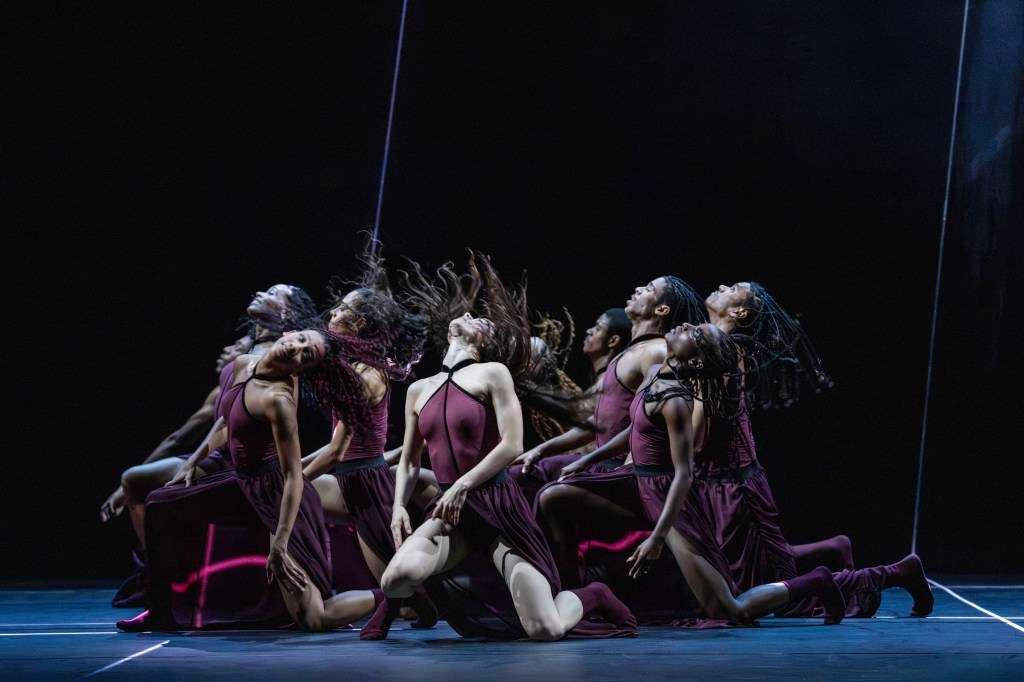
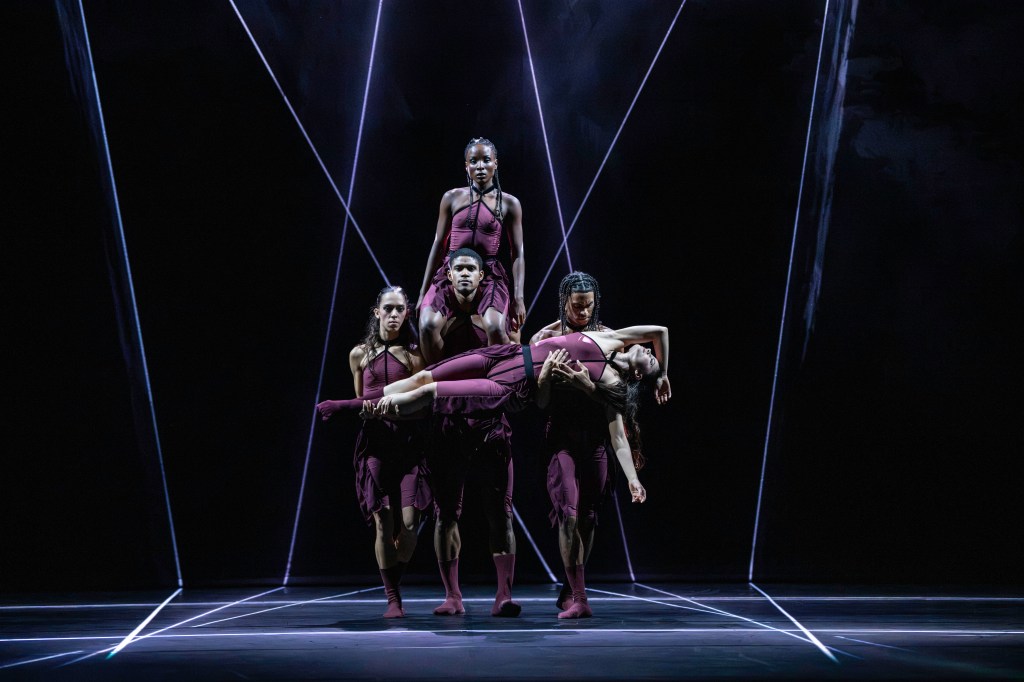
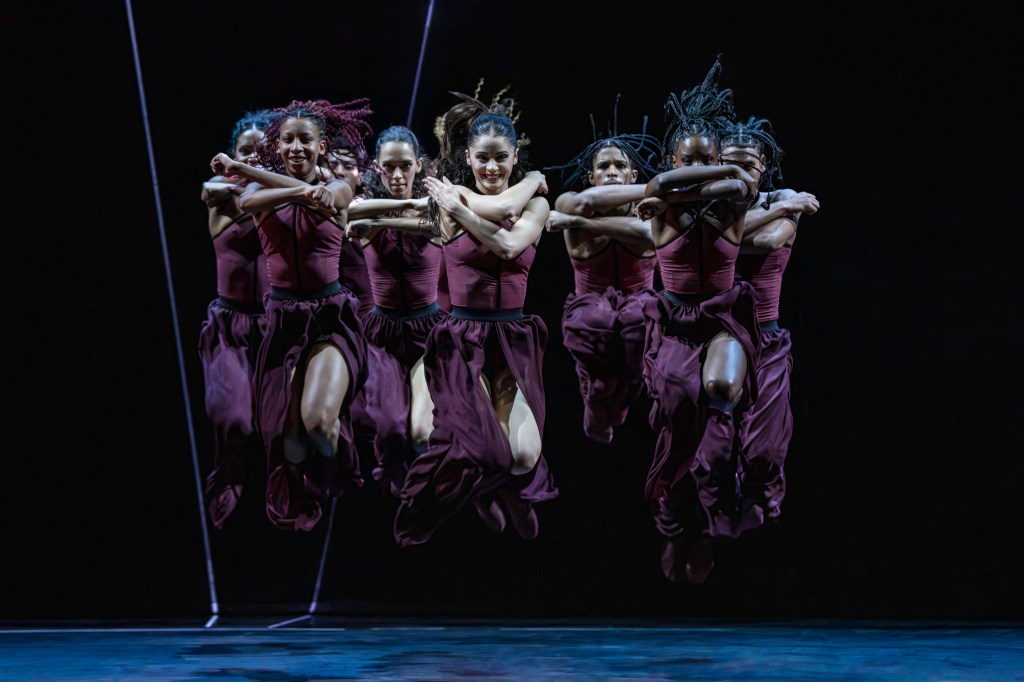
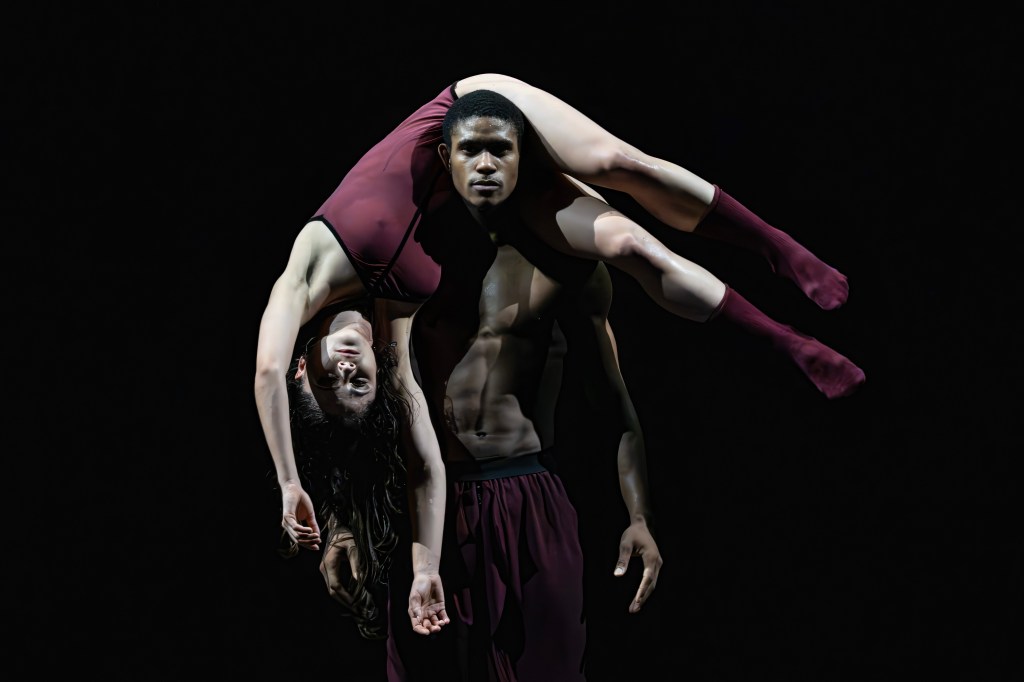
The show opened with Pearls, a world premiere by Greek choreographer Andonis Foniadakis, who journeys to the rhythmic heart of the Baroque. Rather than treating the period’s musical language as a decorative historical reference, Foniadakis explores its underlying structures, finding in repetition, ornamentation and rhythmic tension a vocabulary for contemporary movement. Set to a live performance of Esteban Salas’s Salve Regina, the work draws on the chaconne, a looping musical form in which a recurring theme becomes the foundation for continuous variation.
Each return to the central motif creates a new physical possibility. The dancers gather and disperse, accelerating, and rebounding in response to the music’s shifting patterns. Composer Julien Tarride’s score gradually moves from Baroque lyricism and choral resonance towards a more kinetic contemporary drive, as Cuban rhythmic principles, including the clave and layered pulses, begin to reshape the music from within. Live instrumentalists and voices carry the composition, accompanied by only a discreet electronic presence. Impressive!
Dressed in rich purple costumes designed by Anastasios Sofroniou, the dancers navigate a choreography that moves between classical elegance and strikingly modern experimentation, at times erupting into the energy of a full-blown rave. A recurring violin passage runs through the work like a red thread, connecting its shifting moods, while Nicolas Fischtel’s lighting design uses lasers to define a space that subtly responds to the performers. Foniadakis, whose international career has encompassed companies including Rambert, Sydney Dance Company and the Martha Graham Dance Company, brings a distinctive physical intensity to the piece. In Pearls, Baroque memory meets Cuban propulsion, choral breath encounters percussive drive, and historical form becomes a living, constantly evolving force.
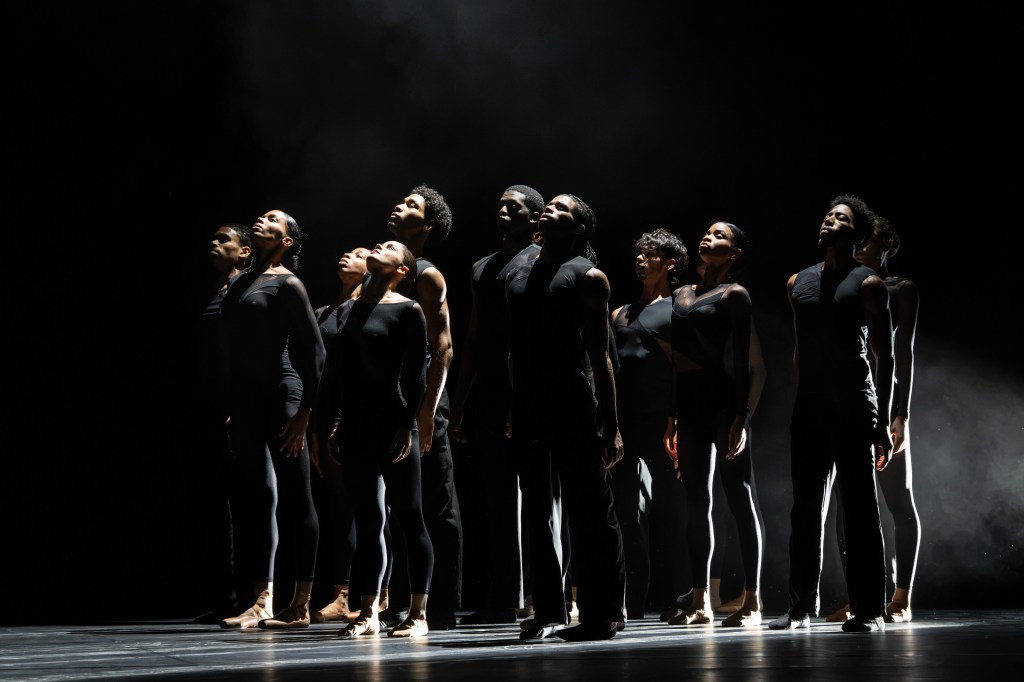
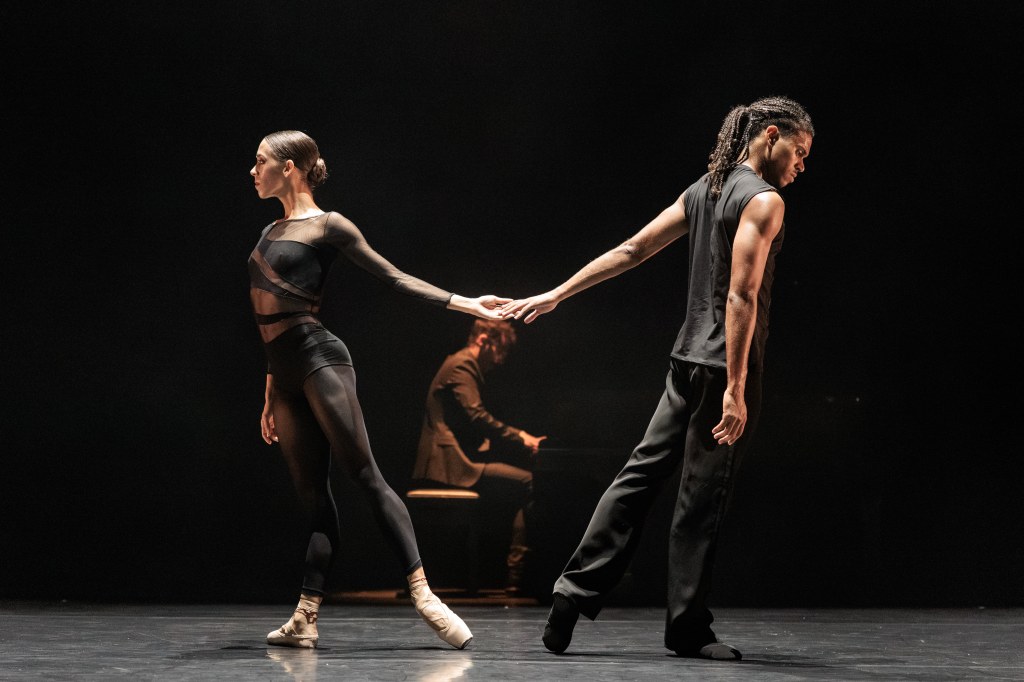
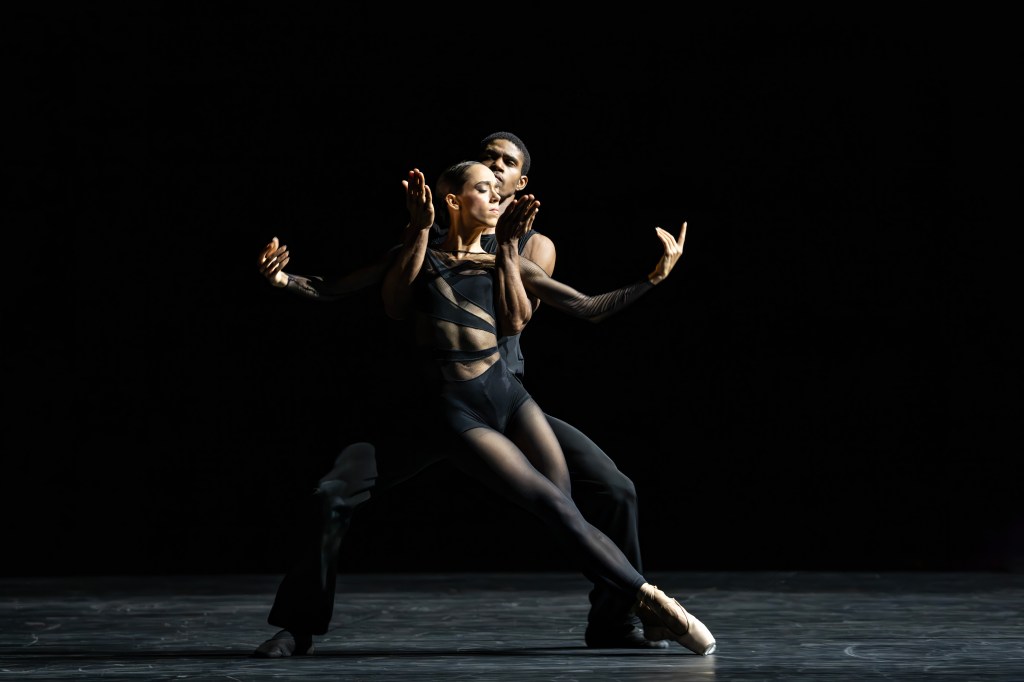
The second work, Chacona by Goyo Montero, provides the evening’s powerful culmination. Originally created in 2011 for Staatstheater Nürnberg Ballett, where Montero served as director for 17 years, the piece forms the conclusion of his full-length work Vasos comunicantes. Its musical foundation is Bach’s celebrated Chaconne, the final movement of the Partita No. 2 in D Minor for solo violin, heard here alongside arrangements for guitar and piano.
Montero, born in Madrid in 1975, trained at Cuba’s National Ballet School under Alicia Alonso before embarking on an international career as a dancer and choreographer. His work explores the relationship between individual expression and collective energy. In Chacona, this becomes a demanding physical proposition: the ensemble must achieve complete cohesion without sacrificing the individuality of its dancers.
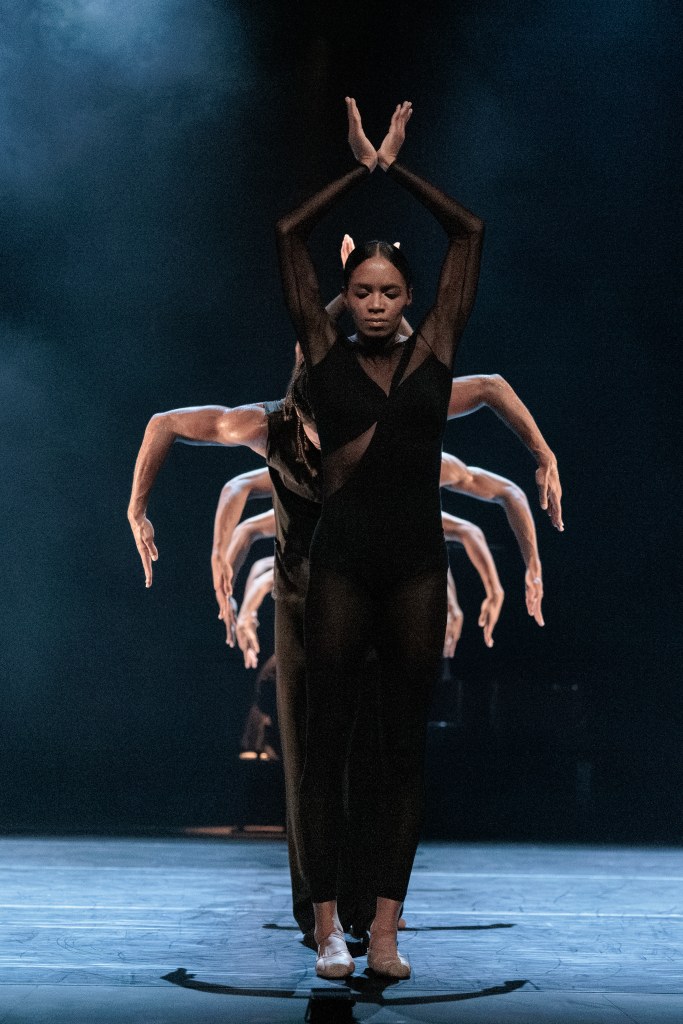
This is the choreographer’s fourth collaboration with Acosta Danza since 2015, and adapting the work for the company’s fearless performers has offered an opportunity to revisit and renew an earlier creation. On stage, 16 dancers move through tightly coordinated formations, their movements precise, dynamic and intensely physical. Live music anchors the performance, with a pianist positioned towards the back of the stage and a Spanish guitar to one side. The choreography builds through patterns of remarkable synchronicity, creating a mesmerising whole in which individual bodies remain distinct even as they move with collective force. Classical in sound but contemporary in spirit, Chacona is an exhilarating demonstration of the expressive possibilities of an ensemble working at full intensity.
Together, the two works offer complementary perspectives on the relationship between Baroque tradition and Cuban identity. Where Pearls favours experimentation, fracture and rhythmic reinvention, Chacona finds its strength in collective precision and sustained momentum. Both reveal a company unafraid to move between artistic worlds, and a choreographic vision that treats heritage not as a constraint but as a source of possibility. Physical, mesmerising and simply beautiful!
–