CHANEL is bringing the work of its specialist craft houses to Shanghai with an exhibition focused on the savoir-faire behind the fashion house’s collections. La Galerie du 19M SHANGHAI runs from 25 September to 15 November 2026 at the Museum of Art Pudong, marking le19M’s third international chapter and its first presentation in China
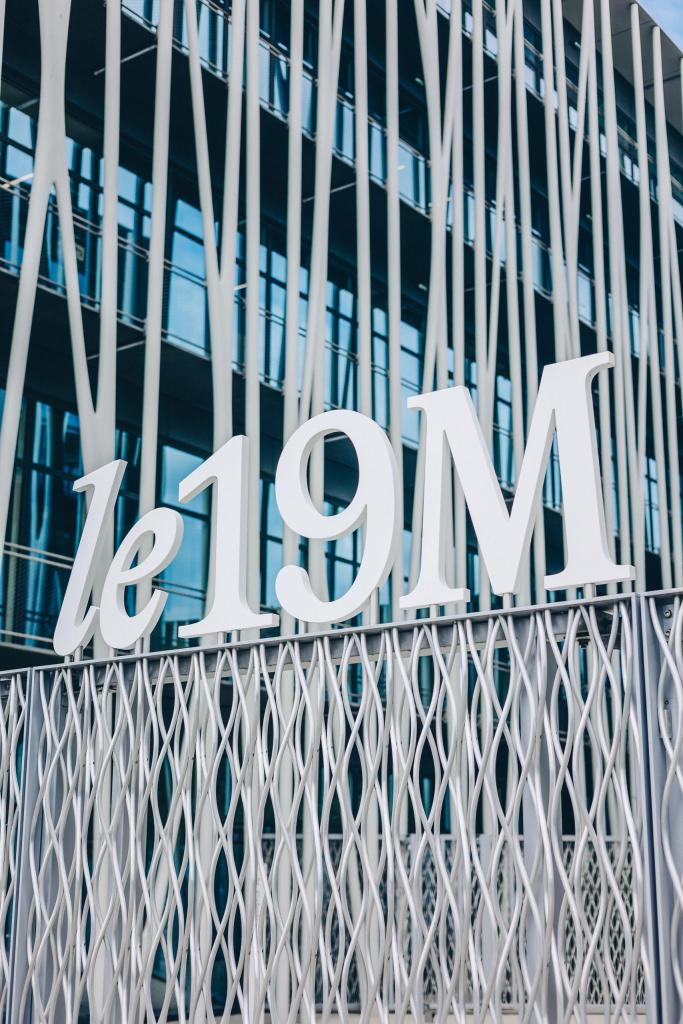
The project highlights le19M, CHANEL’s Parisian centre dedicated to the métiers d’art. Opened in 2022 in Paris’s 19th arrondissement, the building brings together a number of the independent ateliers that have worked with CHANEL for decades, including specialists in embroidery, featherwork, flower-making, pleating, lace and other decorative techniques.
For the Shanghai presentation, these crafts are placed within a contemporary cultural setting in Pudong, creating a direct connection between CHANEL’s French heritage and Shanghai’s growing role as an international centre for art, design and fashion.
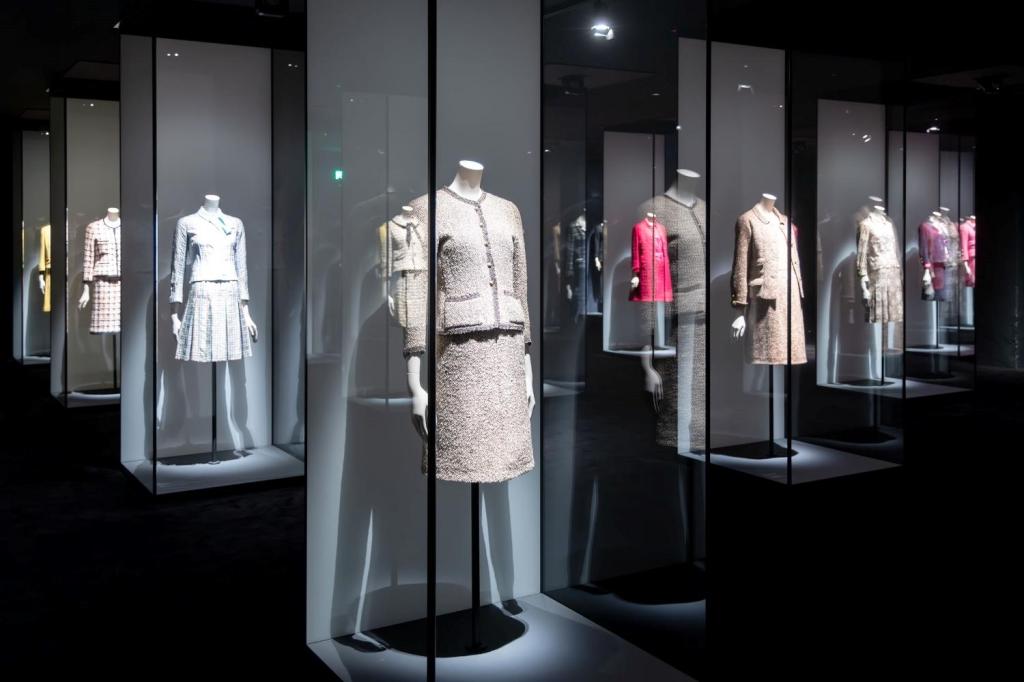
The exhibition focuses on the processes and expertise involved in creating CHANEL’s highly detailed designs. Visitors can discover the techniques, materials and specialist skills that sit behind the finished garments, offering a closer look at an aspect of fashion that is often hidden from view.
The presentation also reflects CHANEL’s long-standing investment in preserving traditional craftsmanship. Rather than treating these techniques as historical artefacts, le19M supports their continued development and transmission to new generations of artisans.
Shanghai provides a relevant setting for this approach. The city has its own long history of textile production and decorative arts, while its contemporary cultural institutions increasingly connect local traditions with international creative practices.
By bringing le19M to Shanghai, CHANEL is effectively presenting its métiers d’art as part of a wider conversation around contemporary craft, design and culture, placing the specialist skills behind luxury fashion at the centre of the exhibition rather than treating them simply as part of the finished product.
–