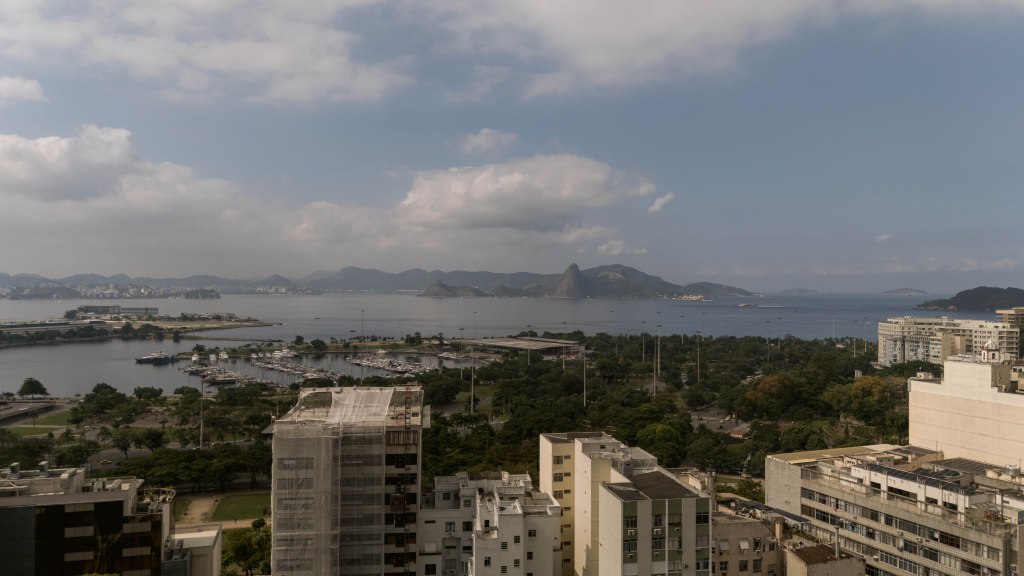
Rio de Janeiro is like a panorama, where mountain, sea and city blur into an effortlessly seductive whole. On a first visit, travellers are often struck by the sheer immediacy of its beauty, where nature and urban life appear in seamless dialogue.
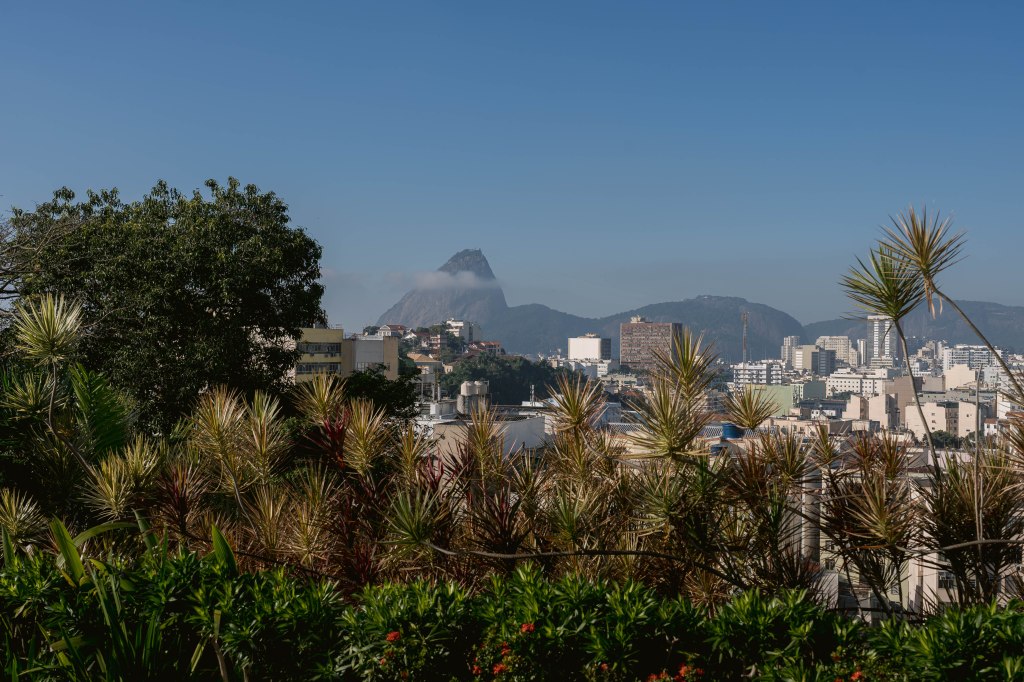
Framed by the unmistakable silhouette of Sugarloaf Mountain and the sweeping presence of Christ the Redeemer, the city feels both monumental and intimate, best absorbed in shifting light, from the early haze over Guanabara Bay to the molten glow of sunset along Ipanema. It’s simply one of the most spectacular cities in the world, the “Cidade Maravilhosa” (“Marvelous City”)!
Here, the rhythm of life is set by the shoreline. Copacabana and Ipanema are not simply beaches but stages for daily ritual: football played barefoot in the sand, music drifting from kiosks, bodies dancing around sun, fun and surf. Rio’s allure lies as much in its atmosphere as its landmarks. It is a city of contrasts, grit and glamour, stillness and spectacle, where samba is both soundtrack and pulse.
During Carnival, that energy becomes incandescent, spilling through the streets in a mix of colour, costumes and collective joy. To visit Rio is less about ticking off sights than surrendering to its tempo: slow, sensual, and unmistakably alive, with music and rhythm: “The Girl from Ipanema” by Stan Getz, João Gilberto and Astrud Gilberto, and Sergio Mendes’ “Mas que Nada” resonating everywhere.
Inland, the city rises into lush hillsides where Santa Teresa preserves a bohemian, also cinematic charm, Portuguese churches, all winding trams, faded mansions and mansions tucked behind bougainvillea. This is also one of the best districts to enjoy Carnaval.
Perched above Rio’s chaotic pulse, Santa Teresa is a Belle Époque dream wrapped in tropical exuberance. At the Museu Chácara do Céu, Picasso and Matisse meet panoramic views of the Guanabara Bay, while the neighbouring Parque das Ruínas blends nineteenth-century ruins with striking modern architecture. Nearby, the Museu Casa de Benjamin Constant offers a glimpse into Brazil’s republican history.
This is where the stunning Villa Paranaguá Hotel & Spa is located. Perched high above Rio in the leafy enclave of Santa Teresa, this impressive property feels less like a hotel than a restored private house suspended between jungle canopy and the glittering sweep of the Bay. This five-star hotel is an ideal refuge from the city’s hustle and bustle and a perfect hub to explore these museums.
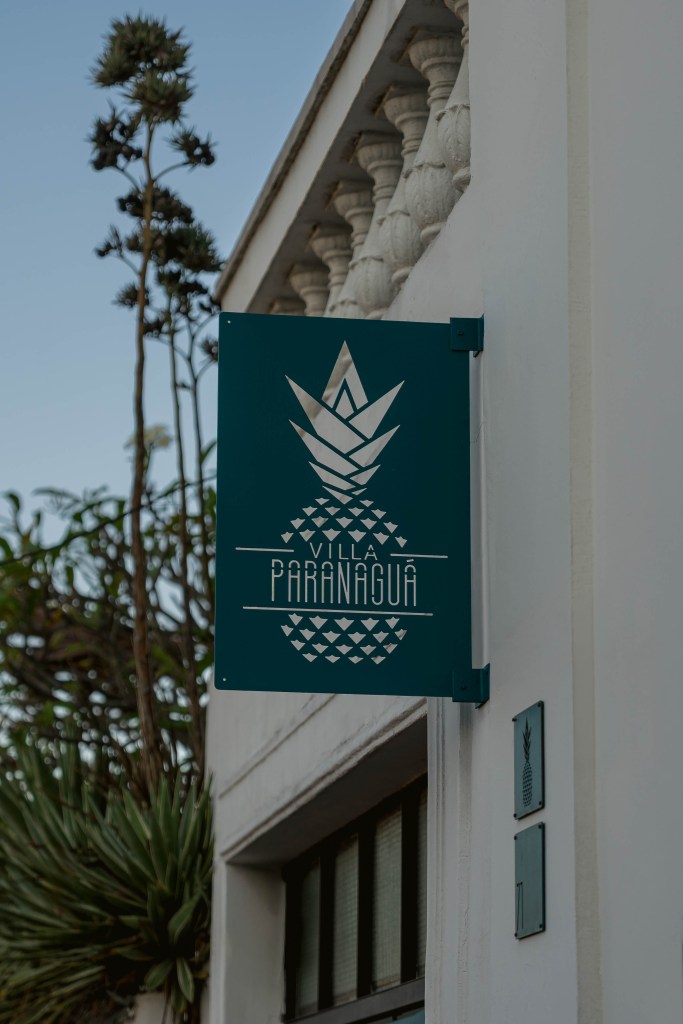
The Villa also sits just above the iconic Escadaria Selarón, the vividly tiled staircase linking Lapa and Santa Teresa, perfectly positioned between two of Rio’s most atmospheric neighbourhoods. Great location for the chic-est address in Rio de Janeiro. The large blue sign, featuring the distinctive pineapple logo, is particularly striking and sets a perfect first impression upon arrival.
With just ten rooms, noble materials, a gym, and wonderful outside areas with the pool and spa, it is defined as much by intimacy as by scale, a place where excellent architecture, design, quiet luxury, landscape and atmosphere dissolve into a single location. It simply celebrates excellence.
The story of the hotel is rooted in a long-standing love affair with the city. The French couple Pierre & Marie Beuscher, the French investor who bought the house, were already in love with Rio for a long time. They searched different places and chose this place after some years of research for the perfect property. The idea was always opening a hotel, that the family could run. It ended in a love story, where their son, Joachim, met Laís, from Brazil, and began to construct altogether what is today the Villa Paranaguá Hotel & Spa.
“This is not just a hotel investment; it is above all a life project. Our idea was to create a place where we could host guests as if they were at home. We even built our own residence right next door so we could stay close to our guests,” say Joachim and Laís, Owners and Managers of the property.
Following five years of renovation, Villa Paranaguá opened its doors in 2020, just days before the Covid-19 pandemic brought the hospitality industry to an abrupt halt. Since resuming normal operations in May 2022, the hotel has steadily gained recognition, with demand continuing to grow with Brazil-based and international clients.
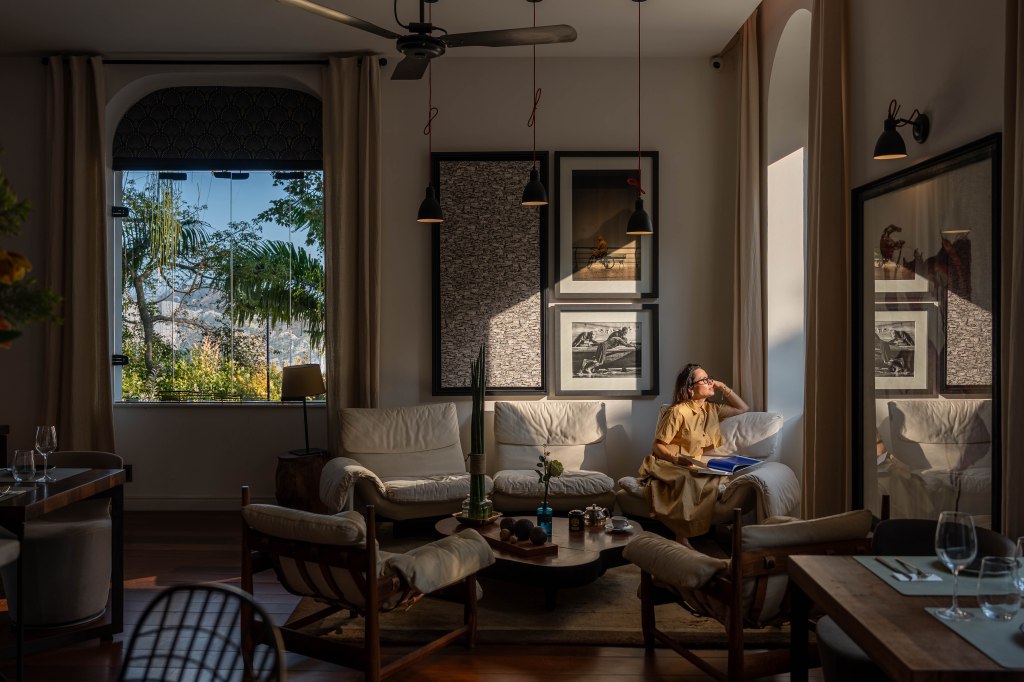
The renovation of the building and gardens fully match its original ambition. The Villa was once the residence of Tônia Carrero (the ‘Brazilian Marilyn’), one of Brazil’s most iconic actresses, who famously hosted glamorous parties and film screenings here. She is now honoured with a large-scale black-and-white portrait in the central lounge. It retains the atmosphere of a lived-in family home. Cinematic in the truest sense!
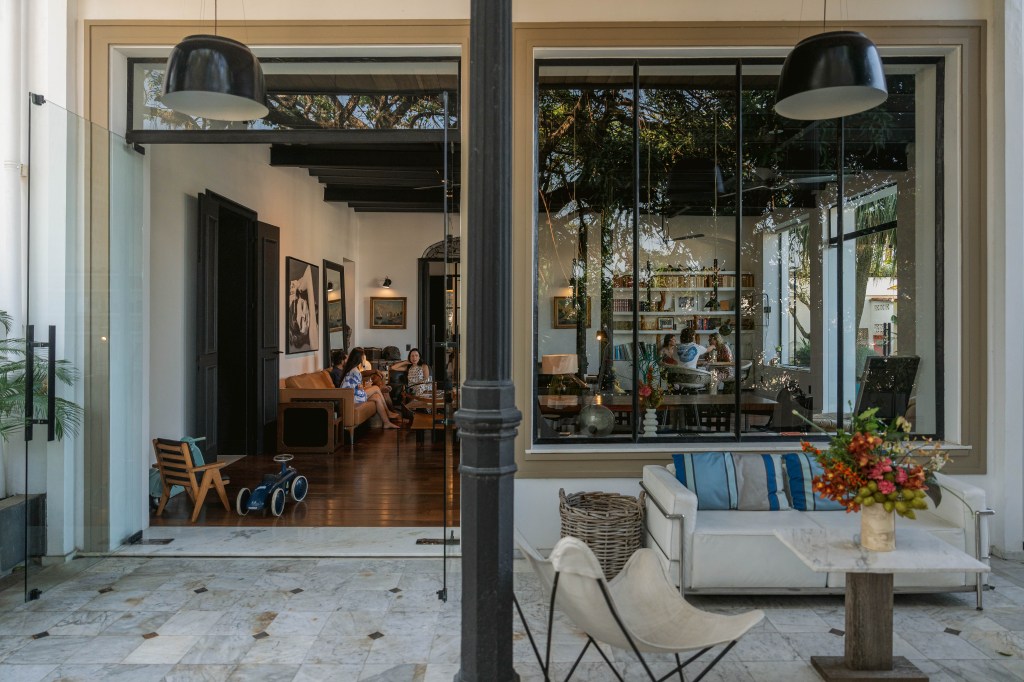
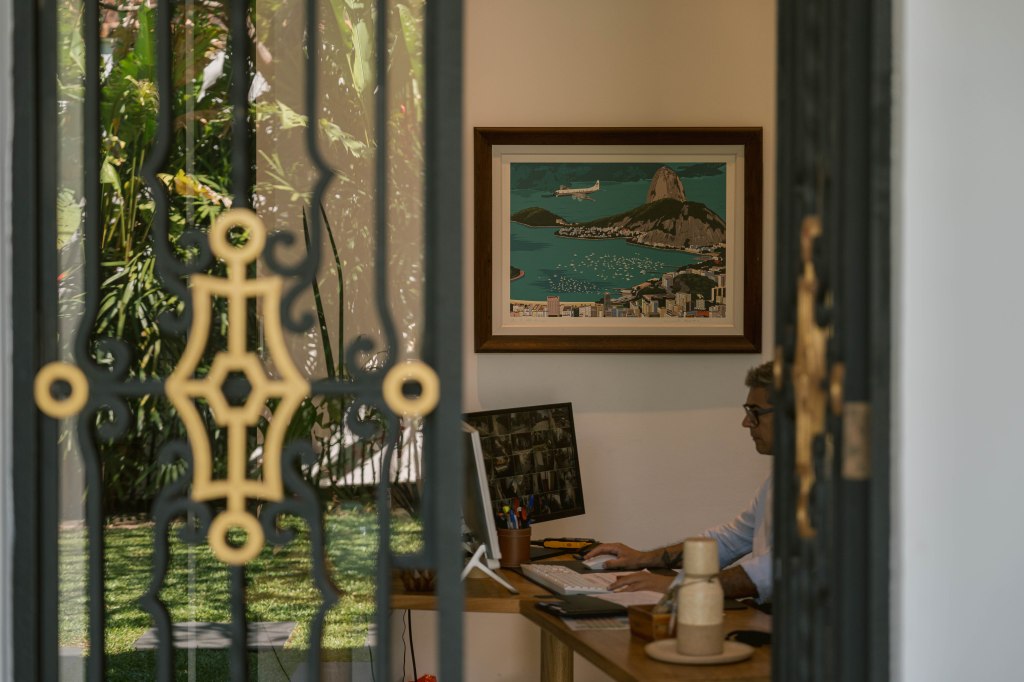
Except for the small reception office, nothing feels like a hotel upon entering the patio and garden entrance. “It has been an exciting adventure, but not an easy one,” add Joachim and Laís. “To reach the level of quality we wanted, we had to train all the workers ourselves and managed all the construction work as a family.”
The choice of Santa Teresa was immediate and intuitive: “The location, downhill in the neighbourhood of Santa Teresa (we are 5 minutes from the Gloria subway station), the view, and the house itself, that was always very beautiful, even when it was found destroyed by the last occupants.”
Rather than imposing a singular architectural vision, the project evolved slowly over years of discovery and reconstruction. “We had collaborated with some of the architects that lived on the house before the family bought it, but the mastermind of the project, the person that could see the future organisation, design, colours and materials was Pierre. He is a self-learned architect and he loves the 60s Brazilian furniture designers.”. The curation of the space, between artworks and antique furniture is spectacular.
This sense of time, curiosity and cultural exchange extends into the hotel’s art programme: “The advantage of taking time on this construction and project is that we had time to learn and discover… Every artist that we feature – whether paintings or sculptures – in the Hotel has a connection with us or with the house, and we want that this organic relation to last forever.”
At its core, Villa Paranaguá is deliberately domestic in spirit: “The soul of the Hotel is the house: everything was thought to enter the size and the beauty of the house. We offer hospitality so our guests feel at home or at someone’s home – a house with luxury service. Everything we do is for the guest to enjoy themselves in a cosy, considerate way.” The owners also encourage a sense of unhurried ease, with guests invited to linger indoors among the curated books on display or to settle into the chaises longues outside, where time feels deliberately slowed.
This intimacy is reinforced by its scale and clientele love it: “Mostly European tourists, but we receive a lot of Brazilians that love this style of hotel… We only have 10 rooms, so we are able to really give attention to each one of the guests, with true exchange and interest.”
The hotel’s aesthetic identity is grounded in comfort and considered design rather than spectacle. Its atmosphere is dynamic rather than static, with Villa Paranaguá evolving into a discreet space for creative life, frequently hosting both Brazilian and international fashion shoots, artists, and celebrities. As the owners note, this happens “all the time,” reflecting its quiet role as a living space.
“Rather than the seafront, we chose Santa Teresa for its central location, easy access from the domestic airport, but above all because it is one of the best-preserved districts of Rio from an architectural point of view. The sumptuous 18th- and 19th-century villas are still numerous there. And the breathtaking view over Guanabara Bay and Sugarloaf Mountain immediately won us over,” they continue.
Even its approach to sustainability is embedded in this “house” philosophy: “We extend the philosophy of a private home to our approach to sustainability: bed linen is changed only upon request, we use traditional moringas, collect rainwater and train our team to separate waste.”
Arrival is simple: “By taxi or Uber. Once here, you can do everything by foot.” And life beyond the hotel is deeply tied to its surroundings: “Come to discover Santa Teresa and the city center of Rio. Is the place to be: it is young, vibrant, full of new ideas and experiences.”
They also point to a constellation of nearby discoveries and local recommendations: “Yes! Solar dos Abacaxis, Destilaria Maravilha, Patuá, Café Indecente, Fatchia, Fábrica da Behring. Our concierges are always working to discover what is new and worth seeing in the area.”
Villa Paranaguá succeeds through a rare positioning, a house shaped by memory, family, and slow curation, where design and hospitality are inseparable. Comfort and design may define it, but its true essence lies in something more elusive.
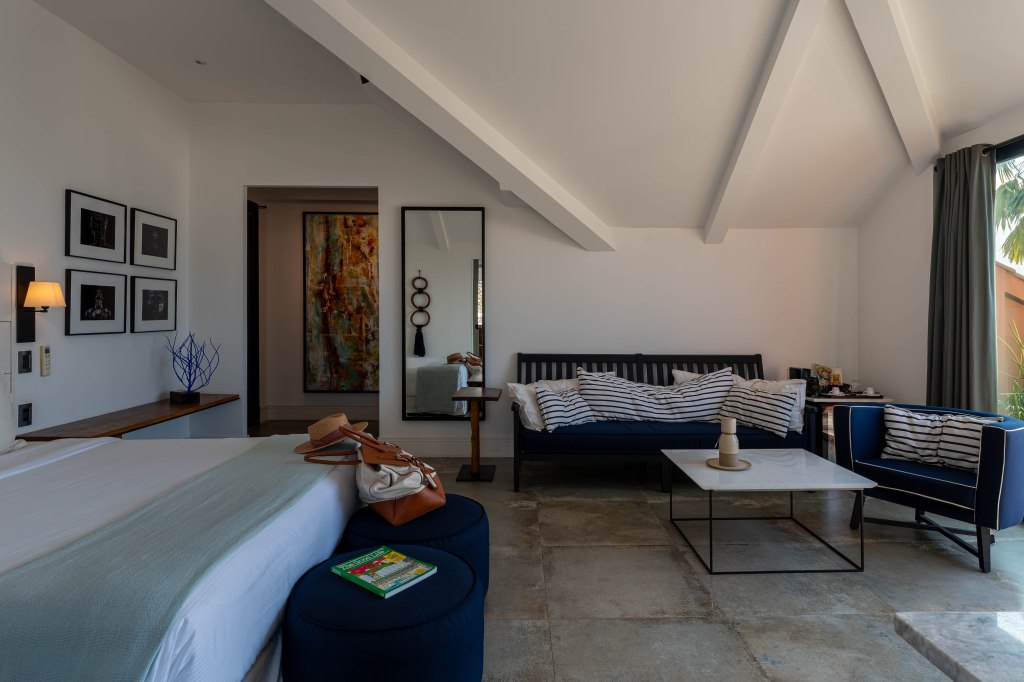
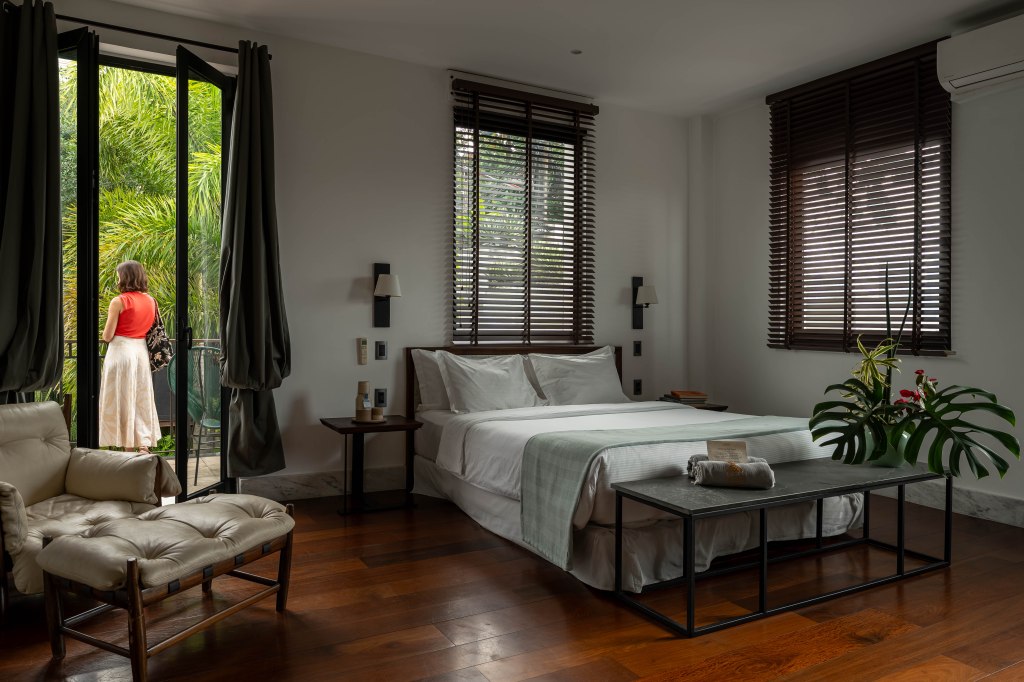
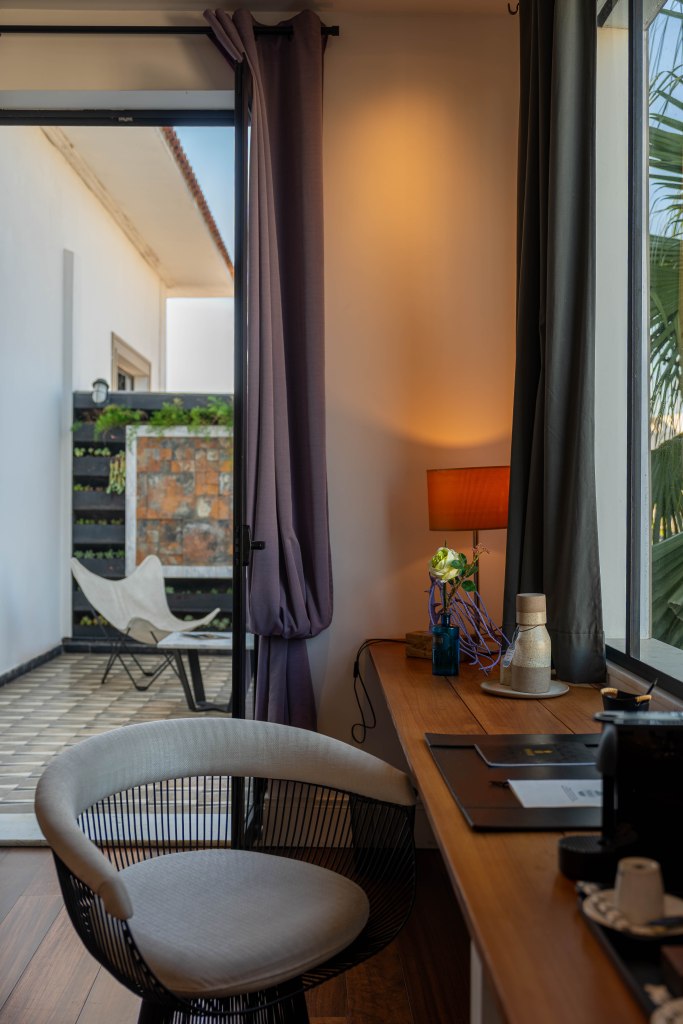
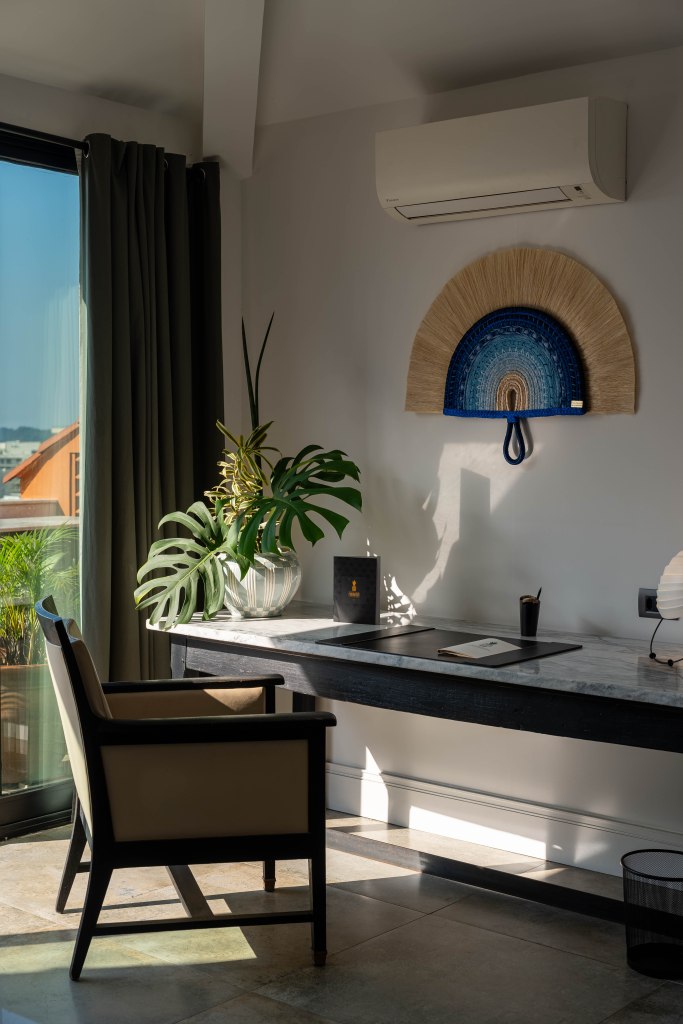
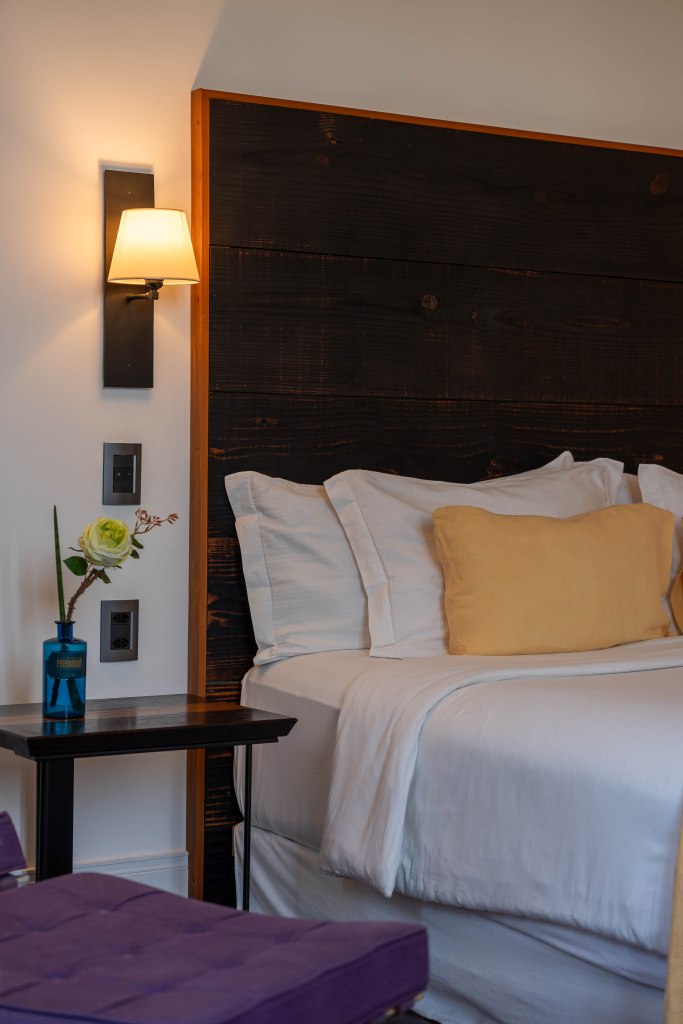
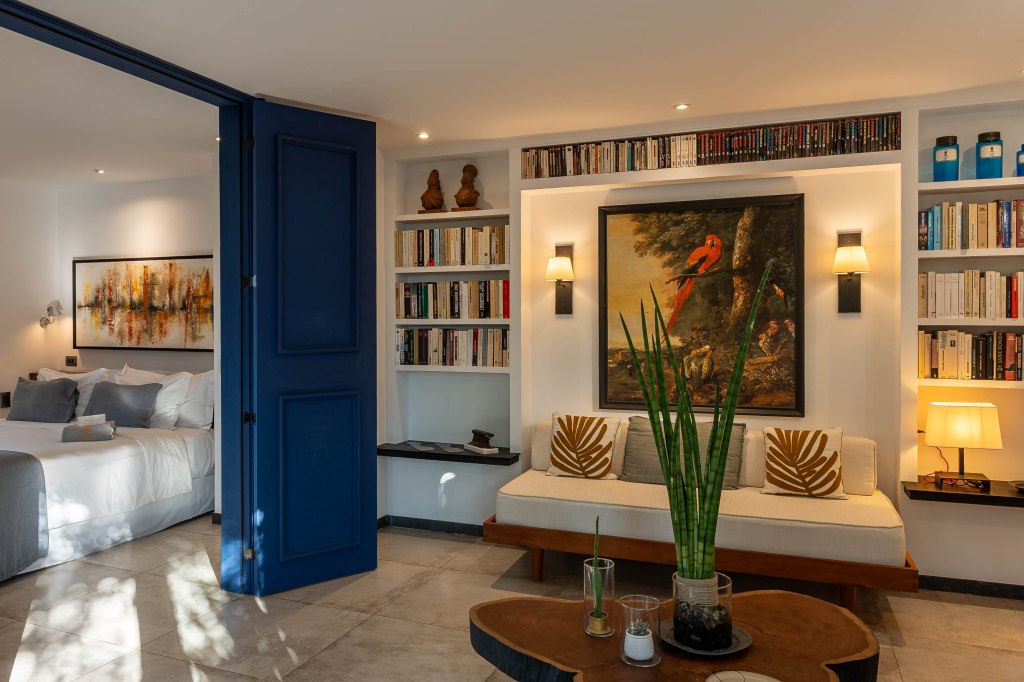
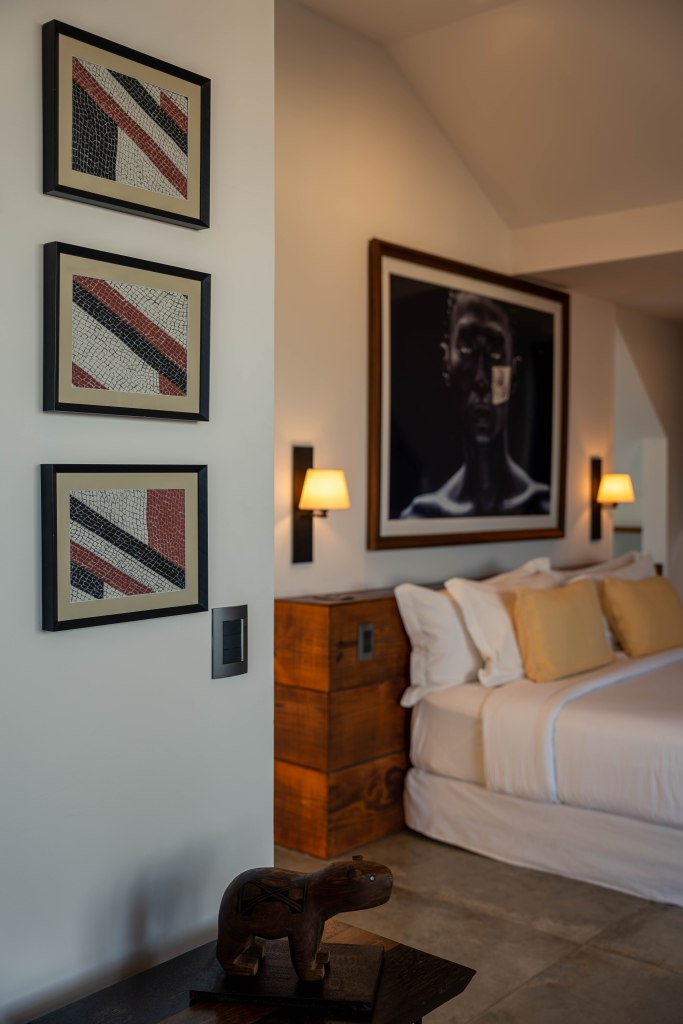
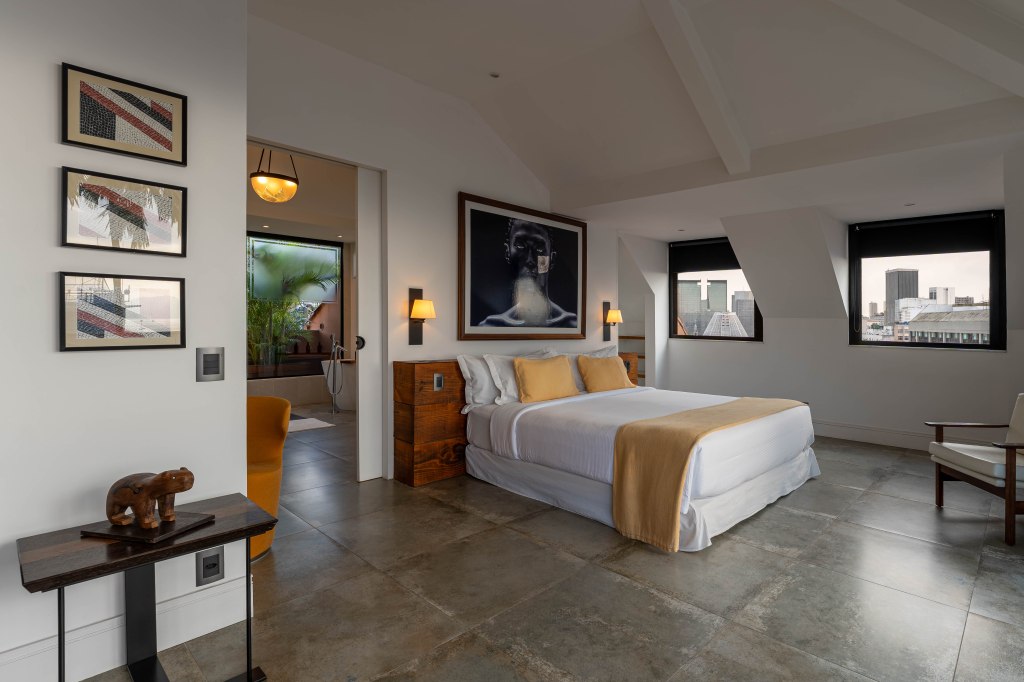
Generously proportioned and filled with natural light and white walls, the rooms combine carefully selected furnishings, and beautifully-built bathrooms, creating a sense of quiet refinement above the bustle of Rio de Janeiro.
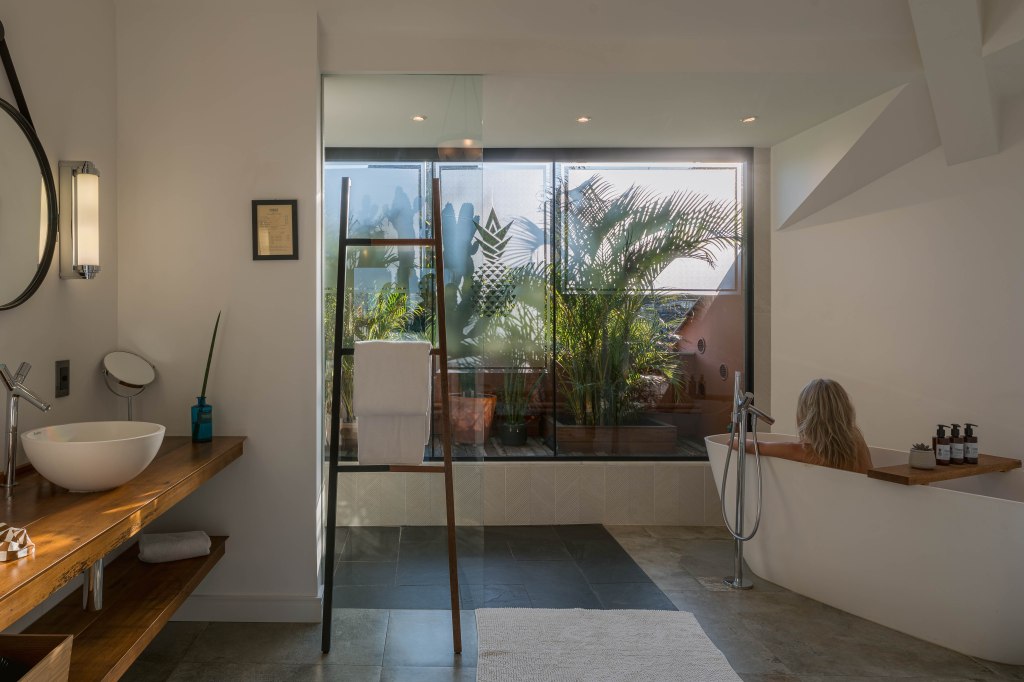
Contemporary décor is complemented by thoughtful details, including spacious wardrobes with safes, storage, linens by Trudeau, double-glazed windows, sumptuous furniture, air conditioning and high-speed Wi-Fi. Minibars and Nespresso coffee machines provide modern conveniences, while inviting sitting areas encourage guests to settle in and feel at home. The bathrooms are equally considered, with generous proportions and double Italian-style showers that reinforce the hotel’s understated sophistication.
The accommodation ranges across several categories, from the Standard Suites to the more spacious Superior and Junior Suites. The Deluxe Suite features a separate sitting area, while the Master Suite is particularly appealing for its expansive terrace, with panoramic views extending towards the sea and Sugarloaf Mountain. A walk-in wardrobe, bathtub and Italian-style shower add to the feeling of a private residence.
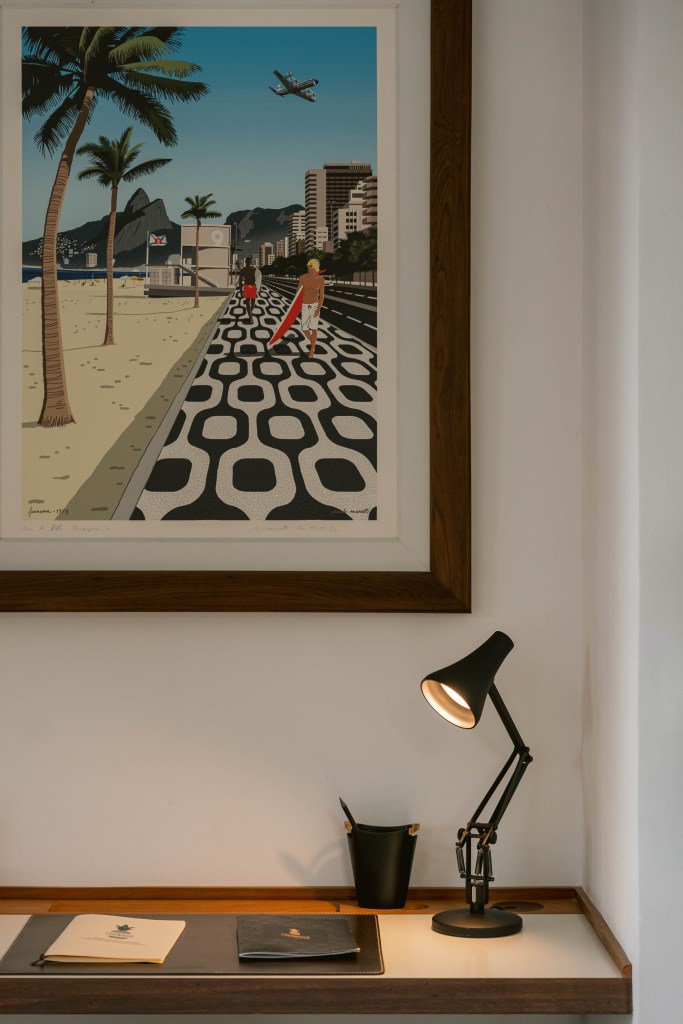
Throughout, the emphasis is on comfort, natural light and considered details including art and luxury books. Private balconies or terraces strengthen the connection with the surrounding tropical landscape, while the interiors reflect Villa Paranaguá’s distinctive philosophy of hospitality: a home away from home, where contemporary design, tranquillity and the beauty of Rio come together naturally.
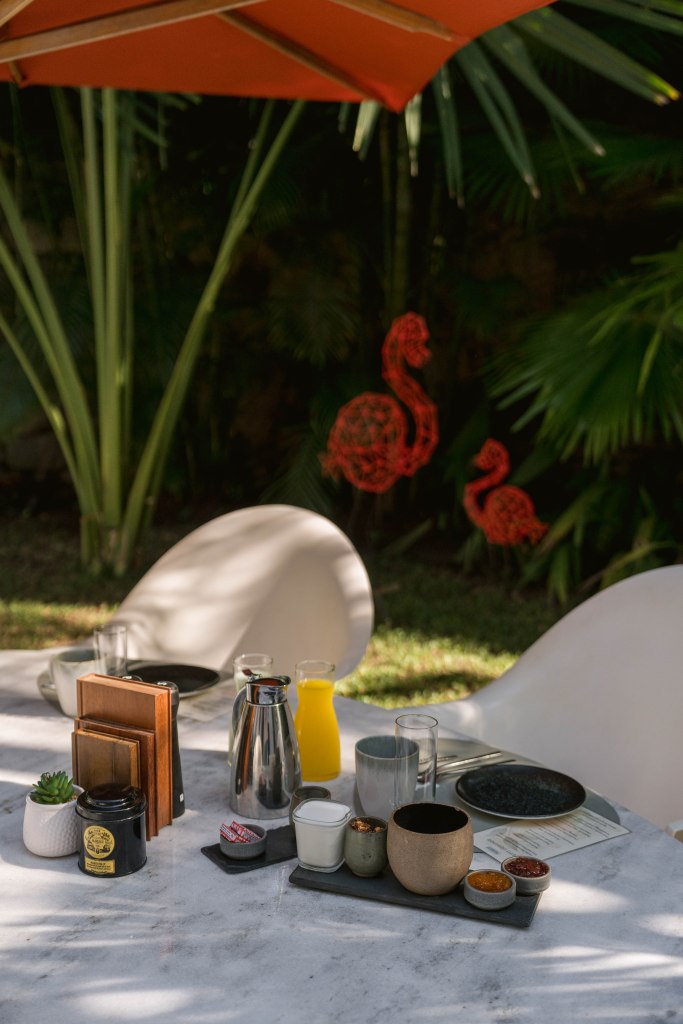
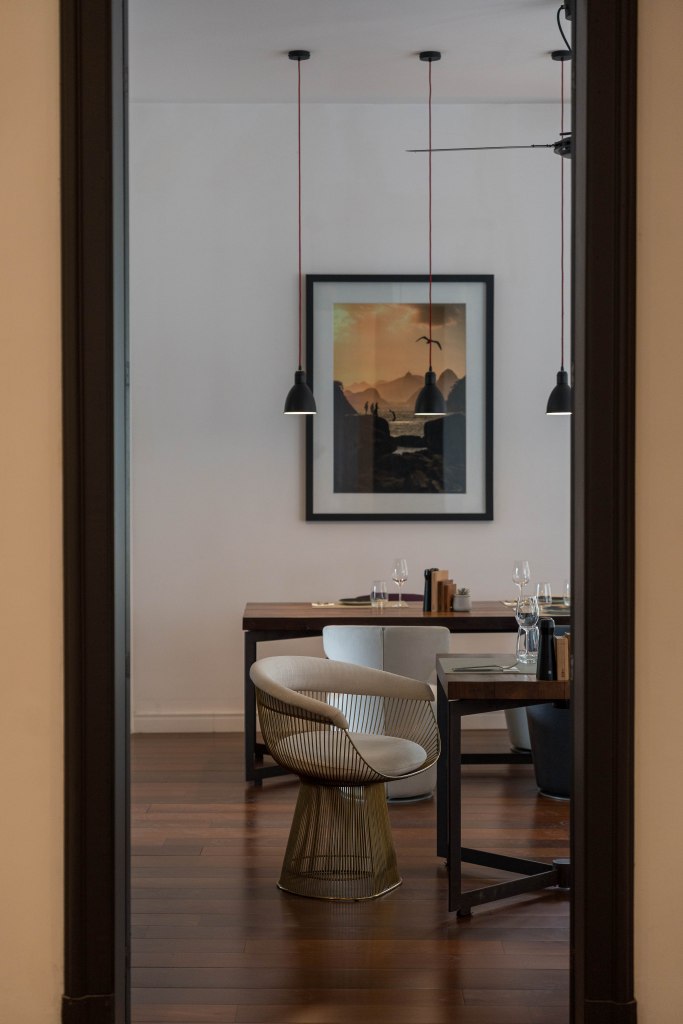
Mornings begin with a distinctly Brazilian touch, accompanied by a blend of local music and French chansons by Charles Aznavour, setting a gently nostalgic tone over breakfast. The table is generous and unhurried: Mariage Frères tea, freshly baked pão de queijo, an abundance of tropical fruit, a wide selection of eggs, and delicate homemade cakes, an indulgent and beautifully paced start to the day.
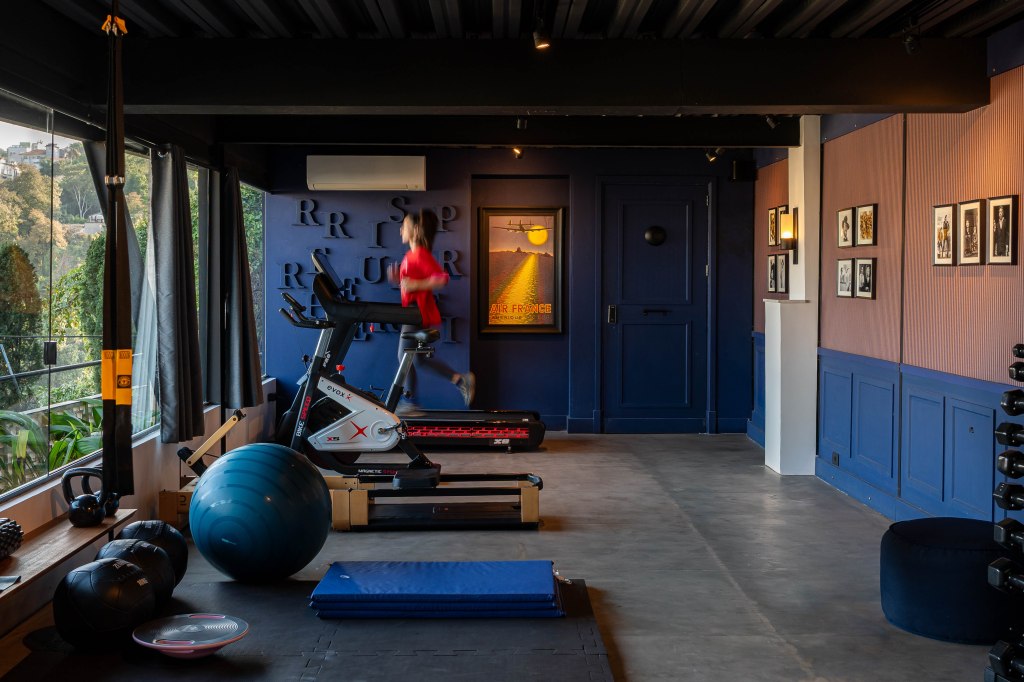
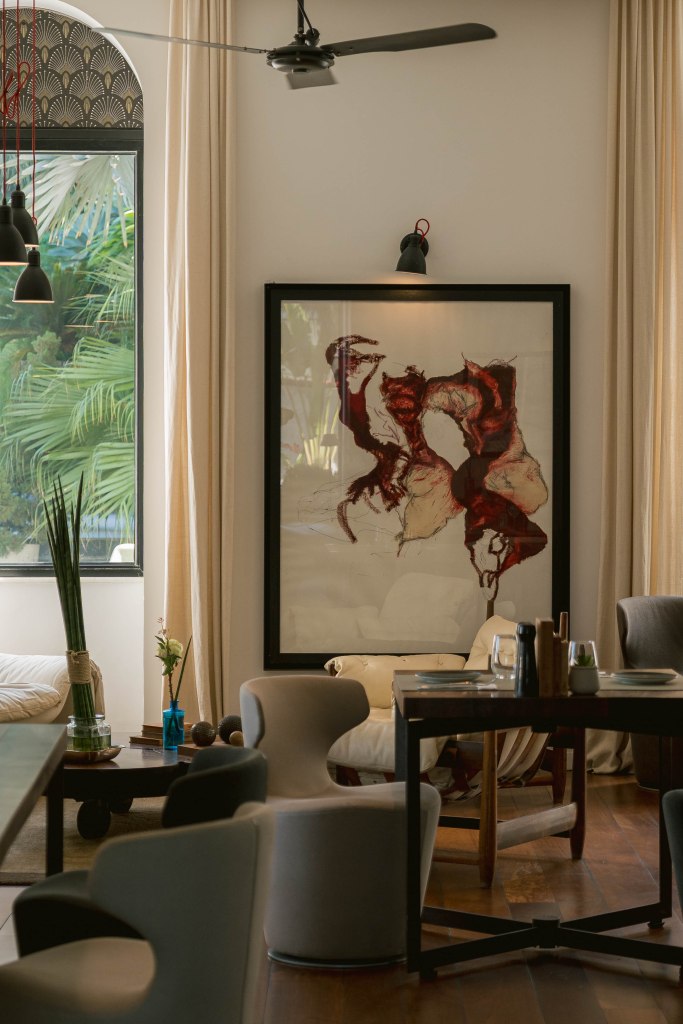
In contrast, evenings unfold more theatrically, with cocktails served in a softly lit atmosphere. The interiors reveal a layered personality: a beautifully appointed gym, where portraits of figures such as Jean Gabin and Georges Brassens introduce an unexpected French cinematic sensibility; elegant chairs arranged for quiet moments of repose; and a curated mix of abstract works and large-scale prints that reinforce the villa’s artistic character.
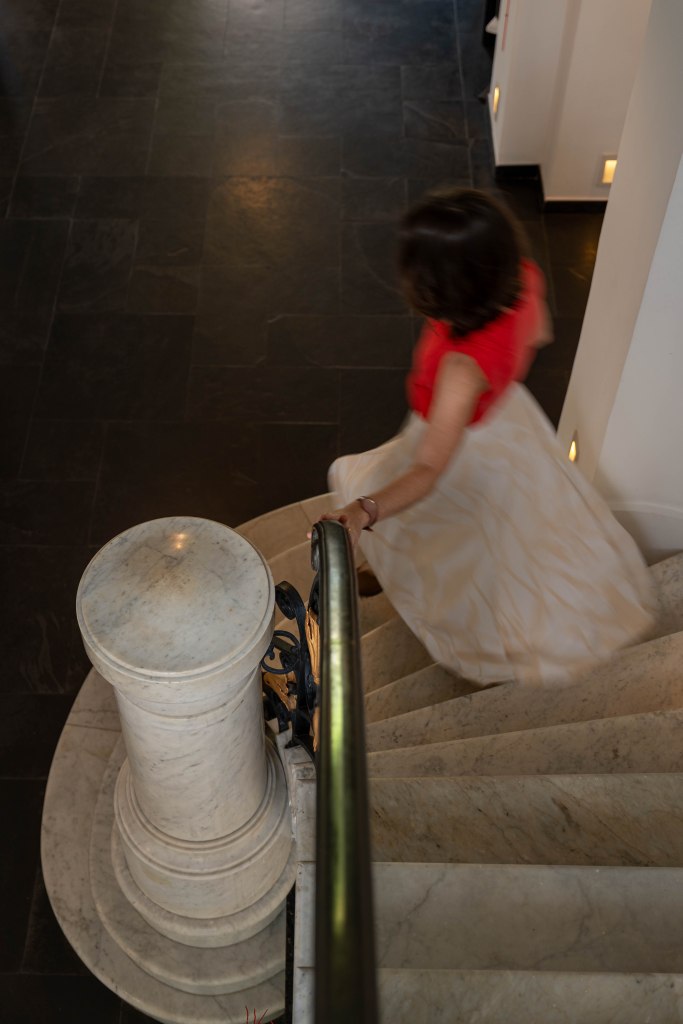
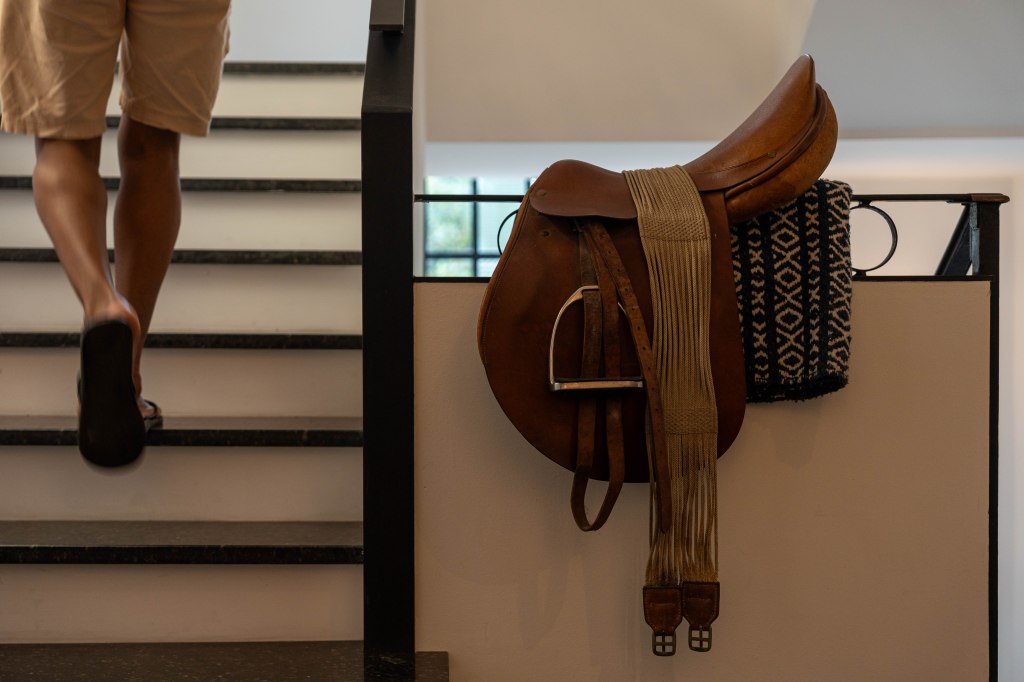
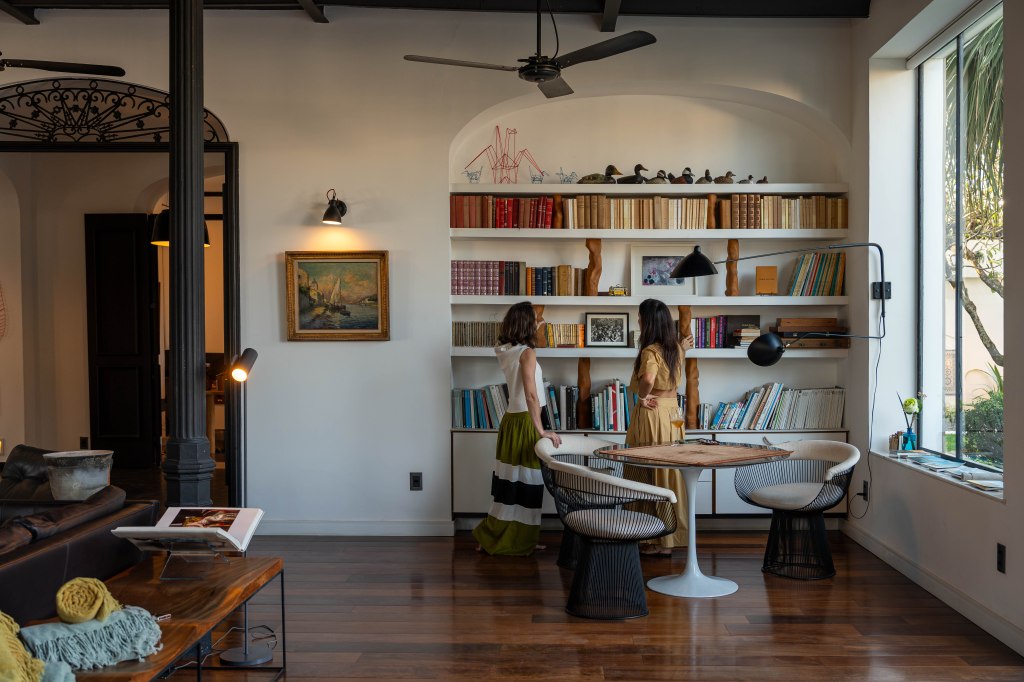
The Villa’s history as a stage for artistic and social life lingers throughout, from its past as a site for film screenings and theatrical gatherings to its present role as a discreet setting for creative encounters at the foot of the grand staircase. In the salon, a Louis Vuitton guide to Rio de Janeiro and an antique LV suitcase sit among books on art and design. Paintings by Brazilian and international artists, sculptures, traditional Brazilian headdresses and fresh flowers complete the setting, lending the space an understated sense of beautiful hospitality. Meanwhile the magnificent marble detailing of the staircases underscores the building’s architectural refinement. Combining designer furniture with expansive glass doors opening onto the garden, the library is one of the house’s most inviting spaces. Filled with natural light, it offers a peaceful setting for reading, conversation or a leisurely board game.
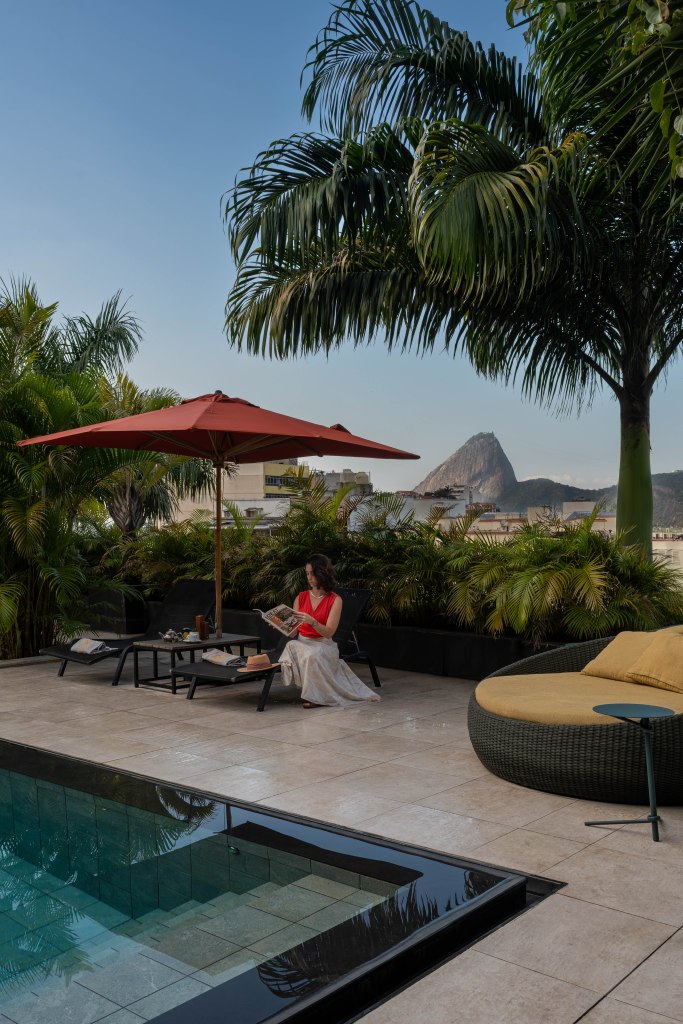
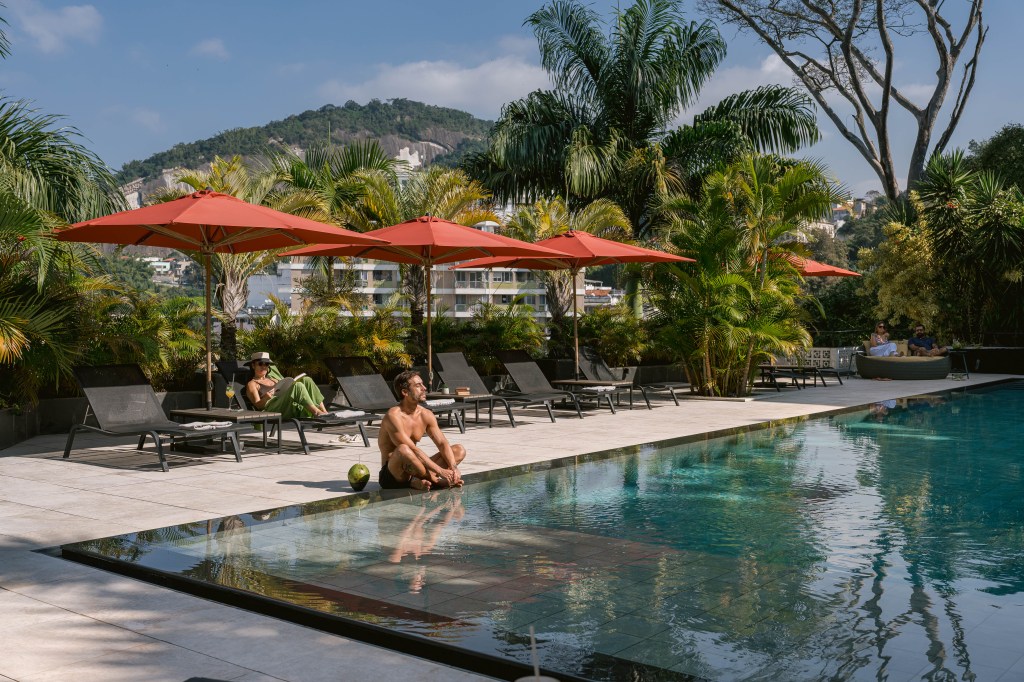
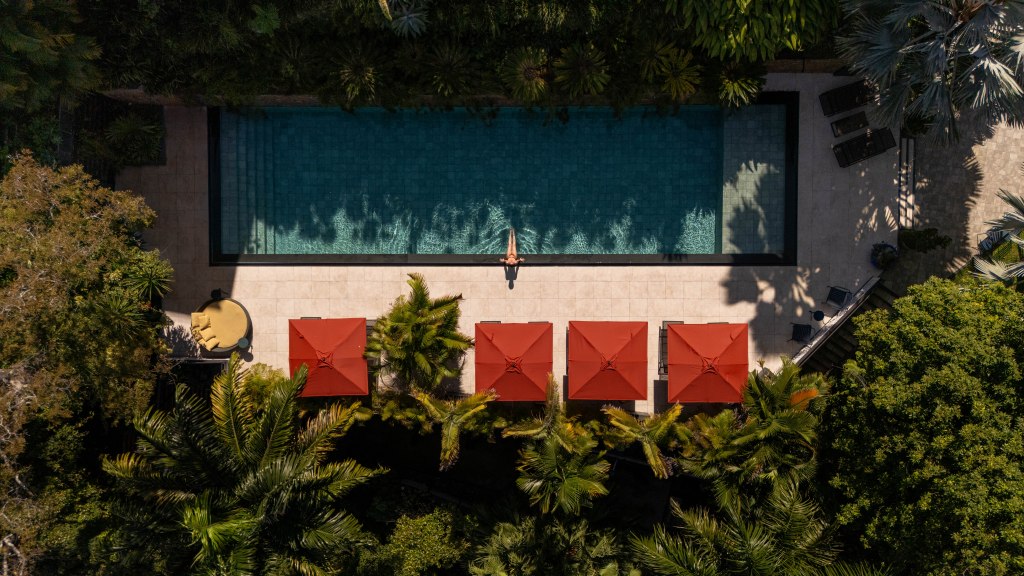
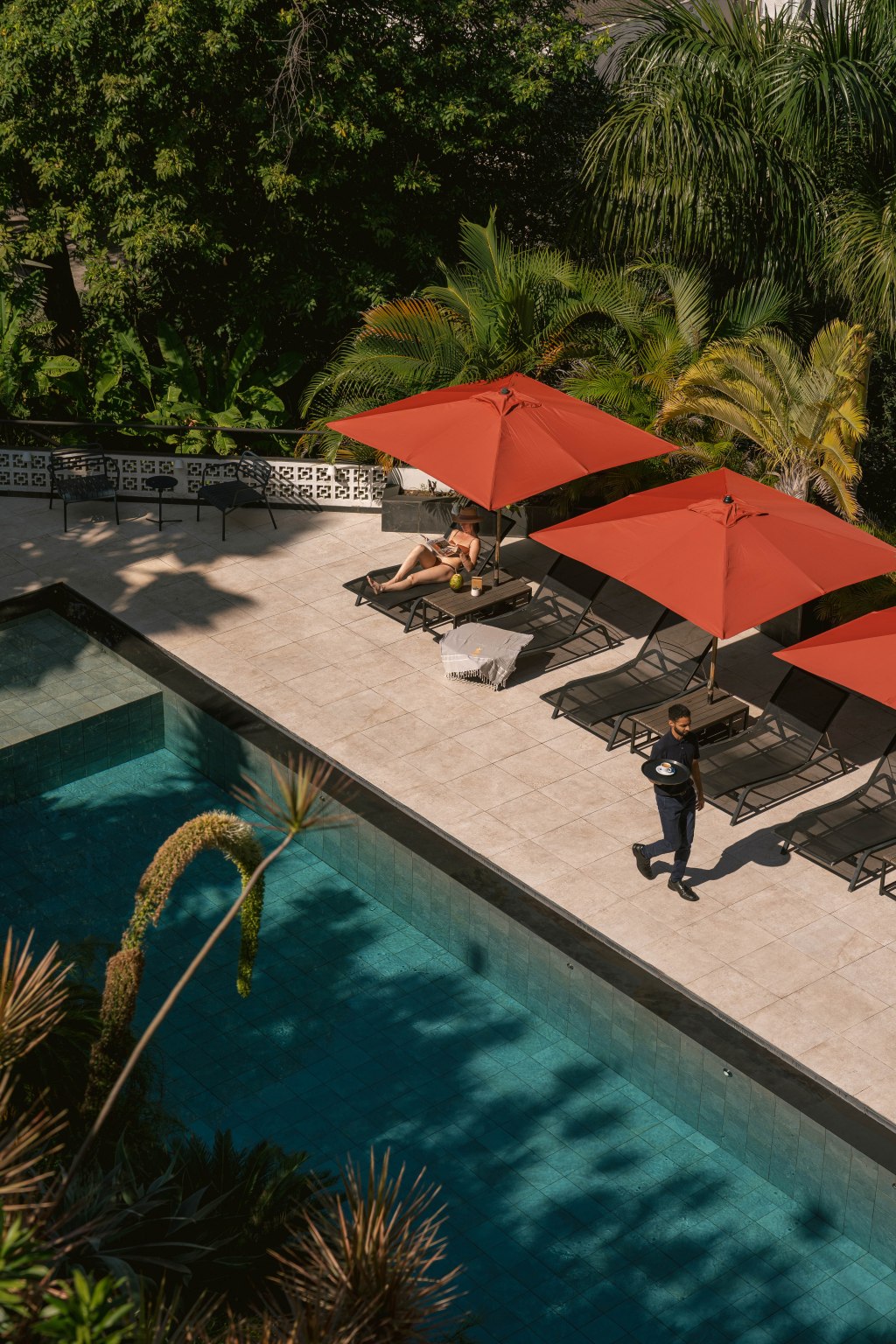
Outside, the experience opens onto sweeping views over Niterói, best appreciated from Room 201, where the landscape becomes part of the interior narrative. The near-360-degree panorama is simply striking. The gardens are equally compelling, lush, carefully maintained, and centred around the impressive and beautiful 20-metre swimming pool animated by flashes of beija-flor (hummingbirds), bringing constant movement and colour to the stillness. The magnificent swimming pool, surrounded by lush tropical gardens and overlooking the bay is the centrepiece for sure!
Nestled among the villa’s lush tropical gardens, the spa is a sanctuary dedicated to relaxation and restoration. Treatments draw inspiration from wellness traditions around the world, combining time-honoured practices with contemporary techniques. The menu ranges from Californian massage to lymphatic drainage and energy-inspired therapies, with each treatment tailored to individual needs and delivered with careful attention to detail. A sauna is also available, offering an additional opportunity to unwind before or after a treatment. The spa welcomes guests daily from 10 am to 8 pm and offers day-use experiences, including access to the facilities, treatments and gift cards.
The garden forms the verdant heart of Villa Paranaguá, with more than one hundred plant species creating a secluded retreat. Winding paths and pockets of shade invite guests to stroll, read or simply enjoy the sounds of nature. The vegetation also attracts an enchanting variety of wildlife, including monkeys, toucans and hummingbirds, bringing a sense of discovery to the surroundings. The garden itself and pool are so special!
A charming expression of the villa’s Franco-Brazilian identity, the pétanque court is tucked discreetly within the tropical garden. It offers a relaxed setting for a friendly game with family or friends, perhaps accompanied by a drink. Combining the spirit of French art de vivre with Rio’s laid-back atmosphere, it captures the property’s convivial approach to hospitality too.
The games room introduces a touch of vintage glamour, centred around a French billiard table in an French 1960s elegant, welcoming setting. It is a space conceived for relaxed evenings, friendly competition and convivial gatherings.
“We combined our family furniture with pieces by Brazilian designers sourced and restored locally,” Joachim and Laís explain. During the renovation, as many original materials as possible were salvaged and reused, with some furniture crafted from reclaimed elements of the house itself. This thoughtful approach to restoration and sustainability earned Villa Paranaguá the Prix Versailles in 2021, an international architecture and design award supported by UNESCO.
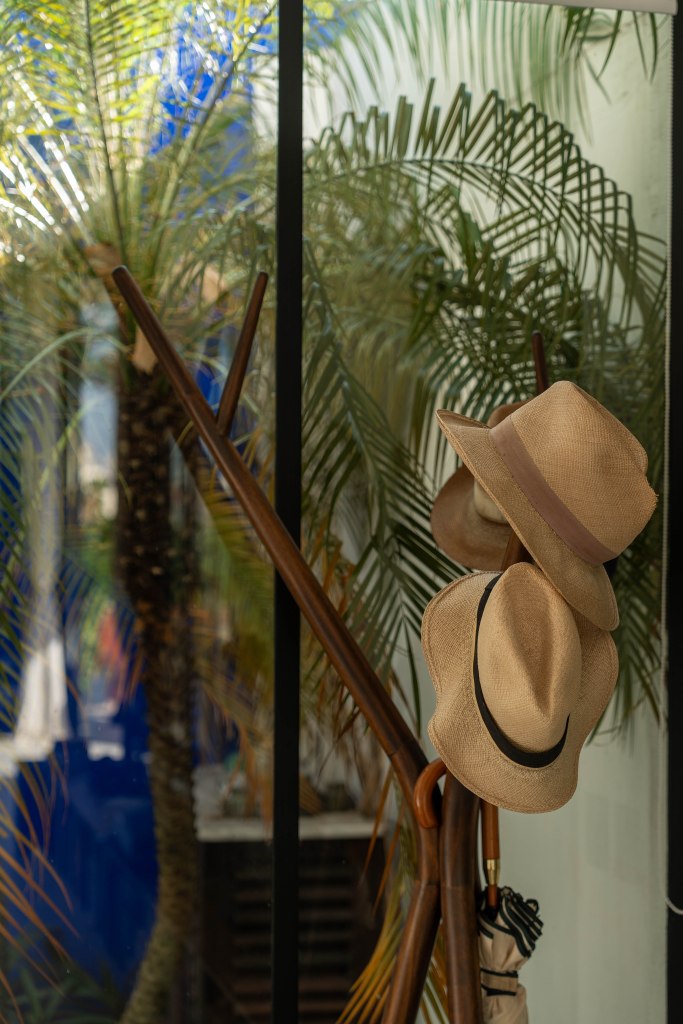
“We have works by Charles Rennie Mackintosh, Ludwig Mies van der Rohe, Eero Saarinen, Paulo Mendes da Rocha, and Sérgio Rodrigues.” they explain. The interiors feature exceptional furniture by designers including other figures such as Warren Platner, Philippe Starck, Maurício Klabin, Flávio de Carvalho and Giovanni Offredi, with selected pieces re-crafted by Hermès artisans in France, showcasing an extraordinary level of craftsmanship and tastes.
That curated approach is central to the appeal of Villa Paranaguá. It is a Hotel that encourages visitors to look beyond the familiar images of Rio, the beaches, the monuments, the spectacular coastline, and discover the quieter, more personal dimensions of the city. Guests often speak of the warmth of the experience, not least thanks to Daniel and Pedro, whose attentive hosting shapes the villa’s welcoming atmosphere.
Villa Paranaguá Hotel & Spa sets very high standards. It’s simply the best in Rio de Janeiro right now. Its appeal lies not in ostentation but in the relationship between architecture, memory, art and hospitality. So much talent and character! A family home transformed into an intimate retreat, it offers a form of luxury that feels both thoughtful and deeply personal: a place shaped by taste, sustained by curiosity and quietly open to one of the most fascinating cities.
–