Lisbon has now unmistakably become one of Europe’s most compelling destinations. At the heart of this transformation is the city’s revitalised centre, where neighbourhoods like Baixa, Chiado and Príncipe Real for example, have evolved into dynamic hubs of shops, galleries, cafés and restaurants that feel both deeply local and distinctly global. The city attracts digital nomads and features one of the most dynamic cultural landscapes, with a stunning castle, blue-chip museums, fantastic music festivals and beautiful beaches. Superstars such as Ana Moura and Carminho, who recently collaborated with Rosalía, demonstrate the vibrancy of Lisbon’s cultural scene.
In Chiado, elegant façades house a refined mix of heritage institutions and contemporary boutiques. You’ll find everything from historic bookstores like Livraria Bertrand, often cited as one the world’s oldest operating bookshop, to concept stores such as A Vida Portuguesa, where traditional Portuguese crafts are reimagined with a modern sensibility, ISTO, the eco-friendly fashion brand and ICON Shop, part gallery, part design shop, among many others. Just nearby, Príncipe Real has emerged as a creative area, dotted with independent designers, antique dealers and quietly sophisticated lifestyle working spaces.
Lisbon’s restaurant scene is equally magnetic, blending culinary tradition with a new wave of innovation. At Belcanto, chef José Avillez elevates Portuguese cuisine into something theatrical and refined, while spots like Prado champion seasonal, ingredient-led cooking in a relaxed, design-forward setting. Across the city, from intimate wine bars to sunlit terraces, the going out and dining offer is strong.
What makes Lisbon especially compelling right now is its balance: it remains accessible and unpretentious, yet offers the cultural depth and sophistication of a far larger capital. The light, the river, the tiled façades, all the familiar elements are still there, but they now frame a city that is confidently redefining itself. For travellers seeking a destination that feels both authentic and newly energised, Lisbon’s centre is ideal.
In Belém, at the mouth of the Tagus River, Portugal’s great explorers departed during the Age of Discovery, setting sail toward Africa, Asia, and beyond. Landmarks such as Belém Tower marked the ceremonial gateway to the Atlantic, while the nearby Jerónimos Monastery served as a place of prayer for voyagers like Vasco da Gama before his historic journey to India. As the launch point for expeditions that reshaped global trade and empire, Belém remains a powerful symbol of early world exploration. Today, it is also a major cultural destination, home to some of Portugal’s most significant contemporary art collections such as the Berardo Collection and institutions, including the MAAT – Museum of Art, Architecture and Technology. Located in the Belém district of Lisbon, the Pastel de Belém bakery has been making the pastries since 1837 using a closely guarded recipe developed by monks from the nearby Jerónimos Monastery after the Liberal Revolution dissolved many religious orders across Portugal.
The late 19th-century scientific turn in Lisbon’s maritime history is epitomised by Roberto Ivens and Hermenegildo Capelo, whose overland expeditions bridged the gap between the coastal conquests of the past and the territorial ambitions of the modern era. While their predecessors looked to the sea, this naval duo looked inland, executing the first successful coast-to-coast crossing of Central Africa between 1884 and 1885. This gruelling 4,500-mile journey from Angola to Mozambique was not merely a feat of endurance; it was a methodical scientific mission that produced “amazingly perfect” hydrographic charts and the famous “Pink Map” (Mapa Cor-de-Rosa), which aimed to connect the Atlantic and Indian Oceans under a single Portuguese belt. Ivens and Capelo worked as both explorers and analysts of the natural world, meticulously documenting the African continent in ways that previous centuries had ignored. While Ivens focused on precise cartography and sketches of local landscapes, Capelo amassed vast collections of botanical, zoological, and geological specimens, many of which were later deposited in the Geological Museum and the Maritime Museum in Lisbon. Their work represented a transition from the “romantic” era of discovery to a period of “scientific innovation” where the map became a vital political tool in the scramble for world domination. In Lisbon today, their legacy is woven into the city’s contemporary cultural fabric. They are famously honoured by two intersecting streets in the Chiado district, Rua Ivens and Rua Capelo.
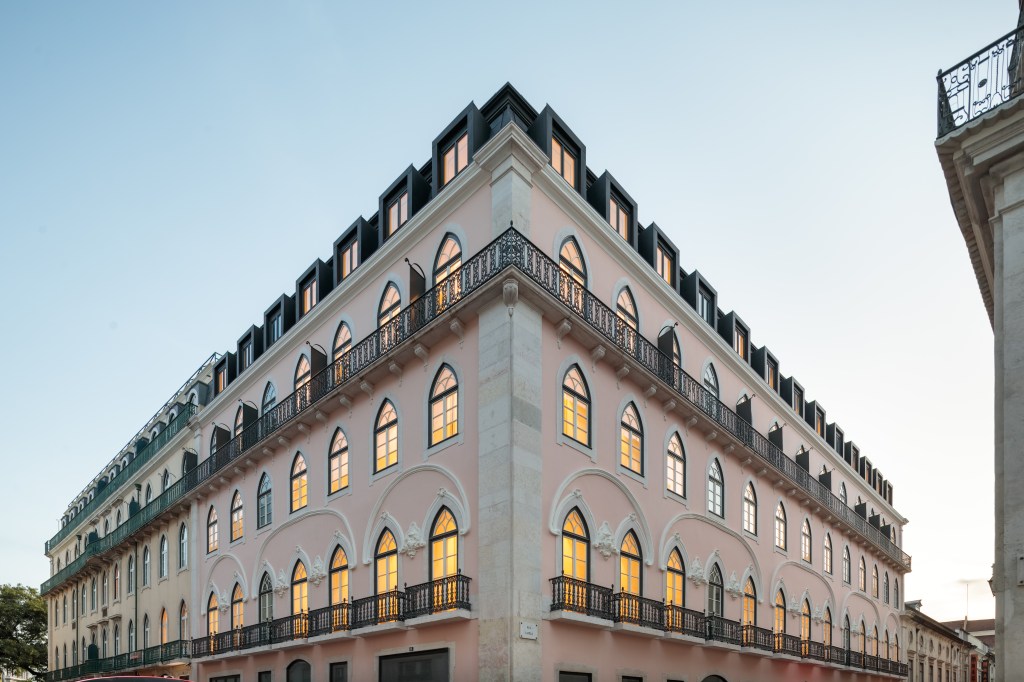
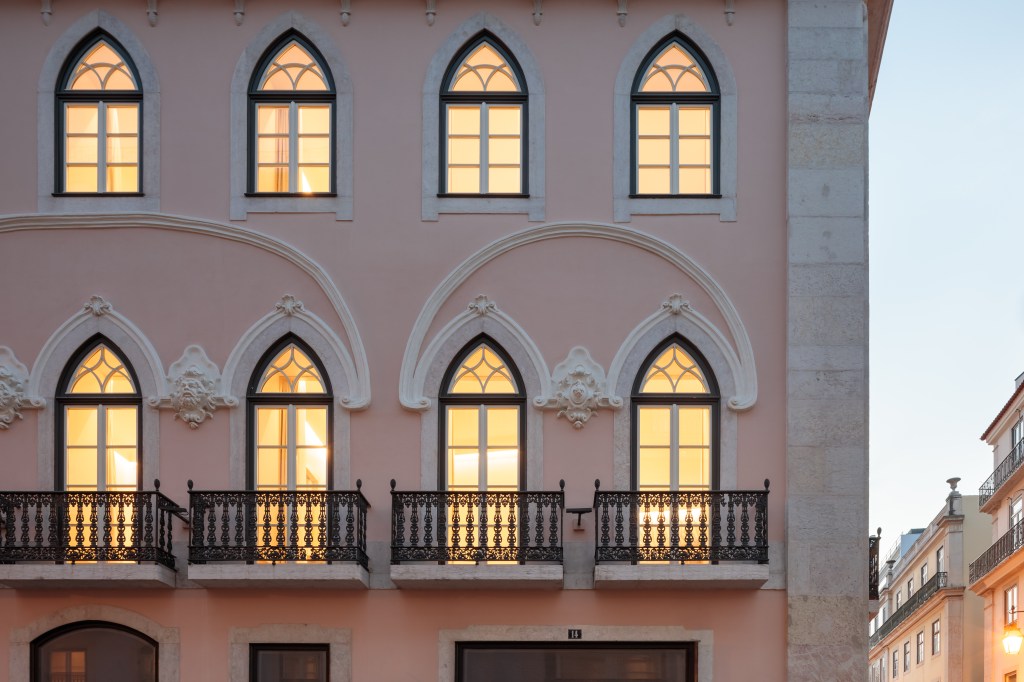
The namesake Ivens Hotel, a stunning boutique space that draws aesthetic inspiration from their 19th-century sketches and diaries is currently the most elegant, central and luxurious hotel of Lisbon. It is located at this exact location. These tributes reflect a city that continues to celebrate the Portuguese navigator’s spirit, evolving from the maritime ropes of the Manueline style to the scientific work that Ivens and Capelo represent.
With an increasing number of blue-chip hotels in Lisbon, it may become challenging to find the perfect place. The Ivens is best understood not as a conventional hotel, but as a carefully designed space shaped by style, and storytelling.
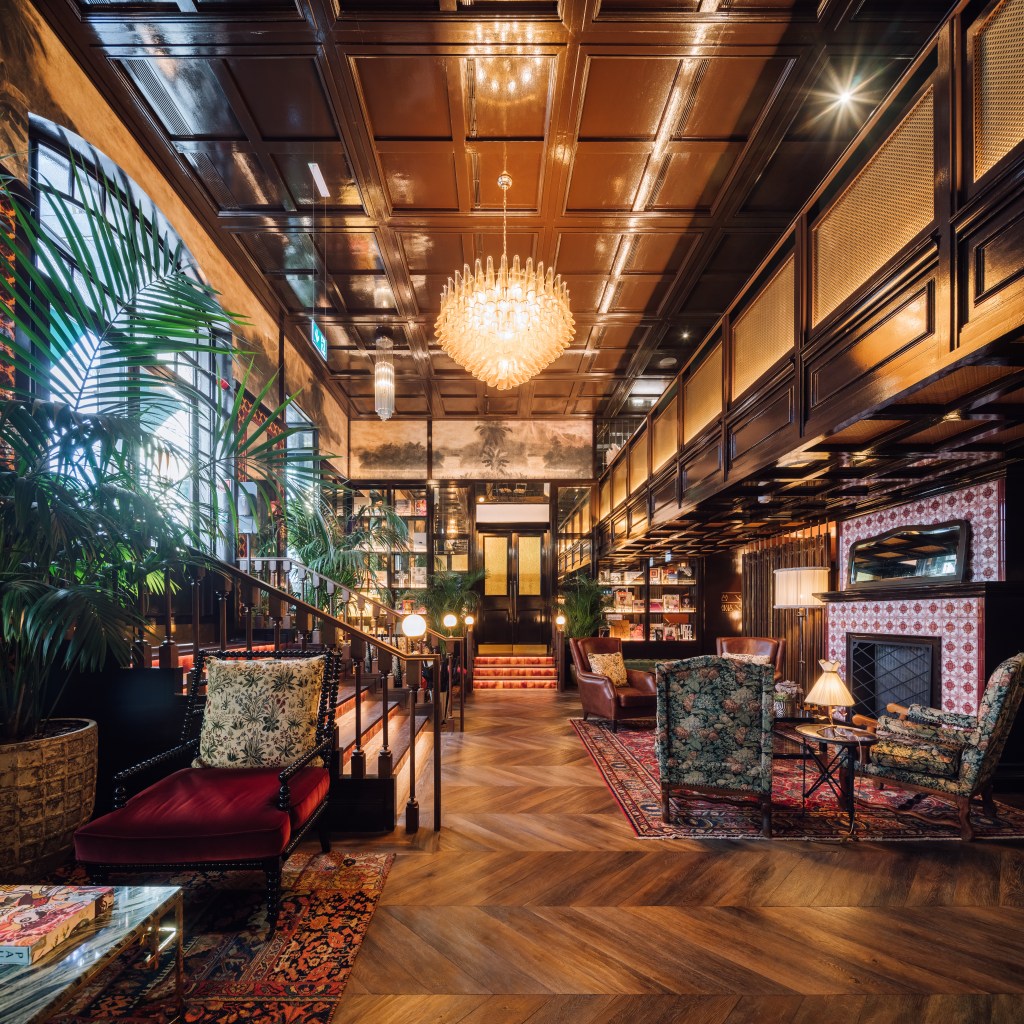
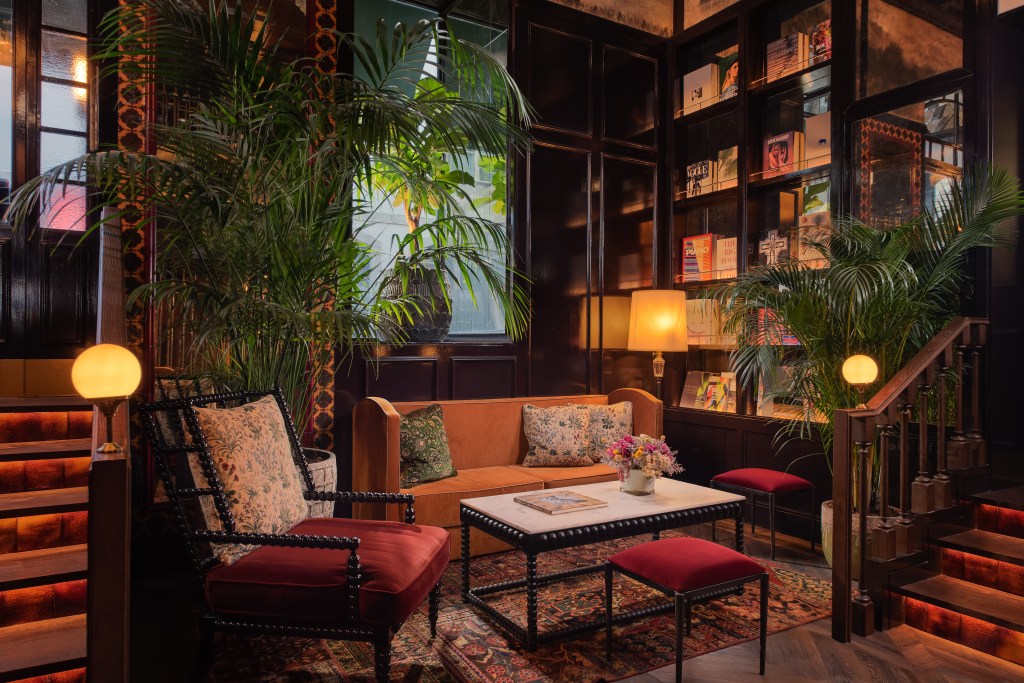
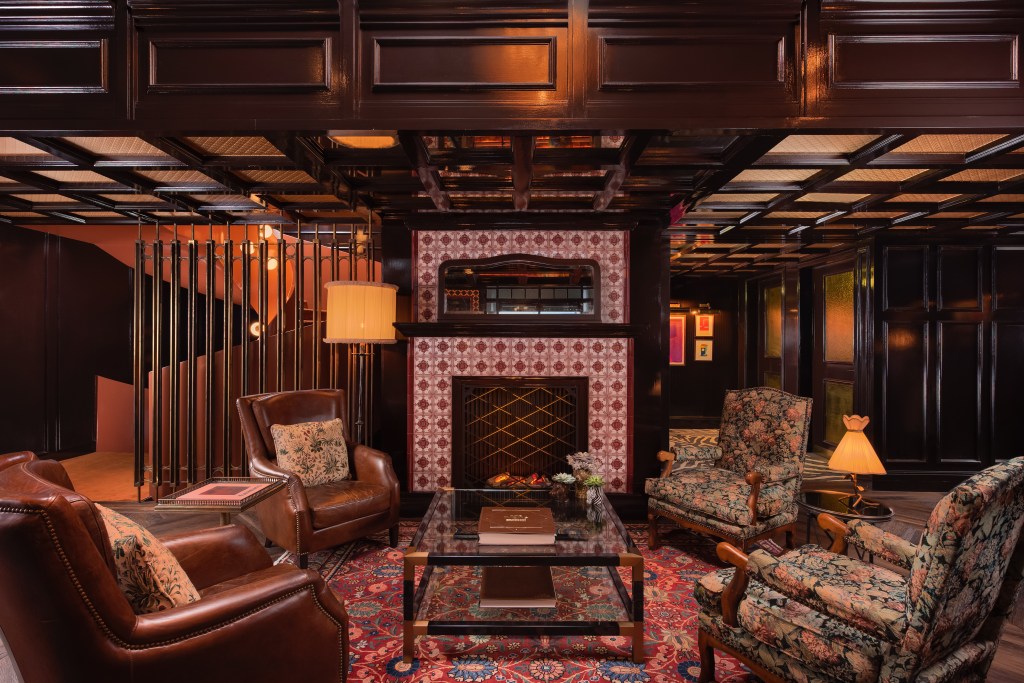
From the moment you arrive, guests are immersed in a soft, elegant atmosphere, with a rich library of art, fashion, and travel books, including Assouline’s Lisboa LUX, Alexander McQueen’s V&A exhibition catalogue, and artworks adorning the walls. It’s warm, and very chic!
When asked about the story of the property and how the original concept came about, General Manager António Leão explains: “The Ivens was born from a desire to celebrate Portugal’s spirit of exploration. We drew inspiration from two 19th-century explorers, Roberto Ivens and Hermenegildo Capelo, whose journeys across Africa embodied curiosity and courage. The concept blends travel, discovery, and Lisbon’s cosmopolitan heritage into a living narrative.”
This idea of a “living narrative” frames everything that follows including décor, furniture, wallpapers and branding. Chiado, one of Lisbon’s most historically dense districts, is not treated as backdrop but as story catalyst. António situates the hotel within this layered urban context: “We are in the heart of Chiado, one of Lisbon’s most historic and cultural districts. This area has always been a meeting point for writers, artists, and intellectuals. The building itself is located on the crossroad of street Ivens and street Capelo, Its layered history made it the perfect stage for a hotel that tells stories of adventure and culture.” Fernando Pessoa’s sculpture, in front of A Brasileira café is not far.
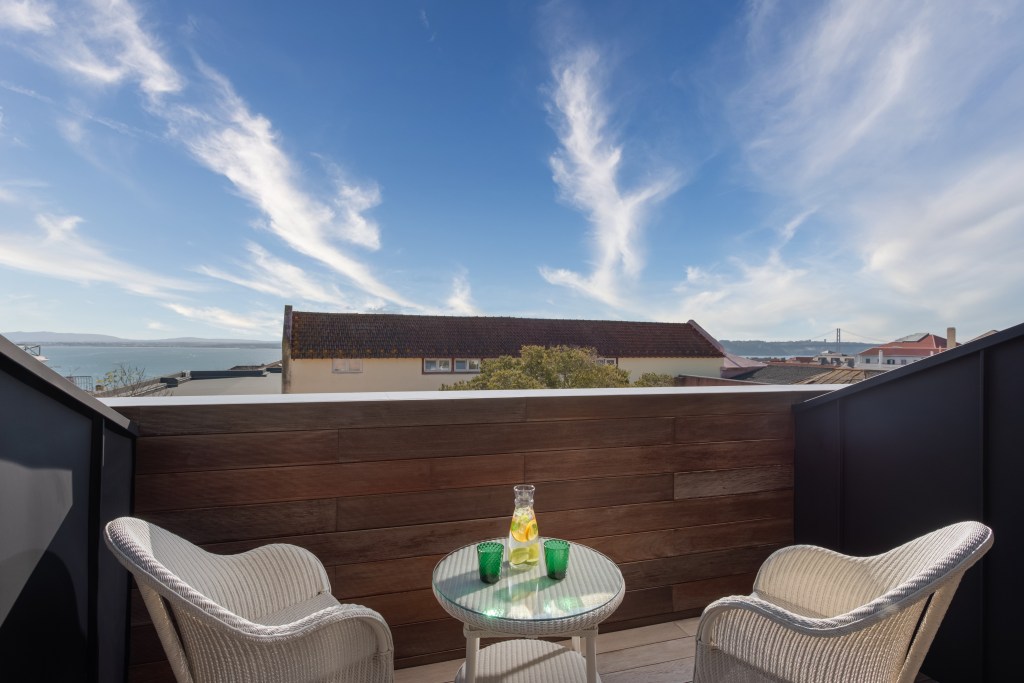
Historic bookshops, luxury fashion, and contemporary design sit within a compact, walkable district. Livraria Sá da Costa, alongside contemporary cultural spaces like FNAC Chiado. Fashion and design range from heritage boutiques like Livaria Ulisses to international luxury such as the Hermès Lisbon boutique and Vista Alegre. Contemporary visual culture is represented by spaces like Under the Cover, while nearby concept destinations such as Embaixada extend the creative ecosystem. Museum culture is led by the MNAC Museu Nacional de Arte Contemporânea do Chiado, complemented by the atmospheric ruins of the nearby Carmo Convent Archaeological Museum. Together, these spaces make Chiado a layered cultural district where literary history, artisanal heritage, and contemporary creativity coexist seamlessly. All with spectacular views.
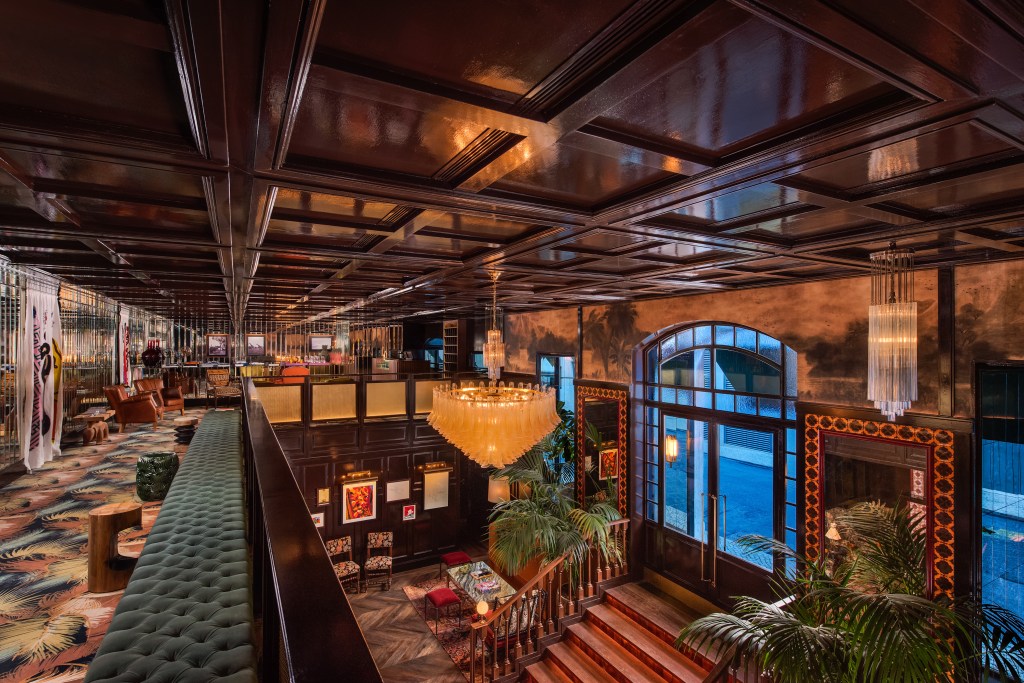
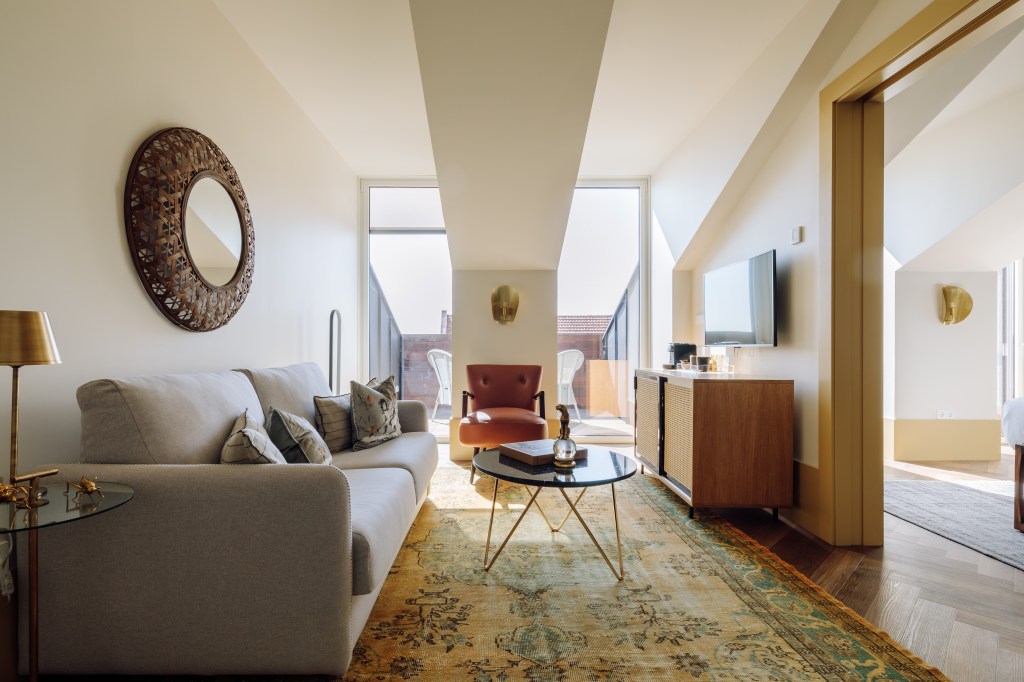
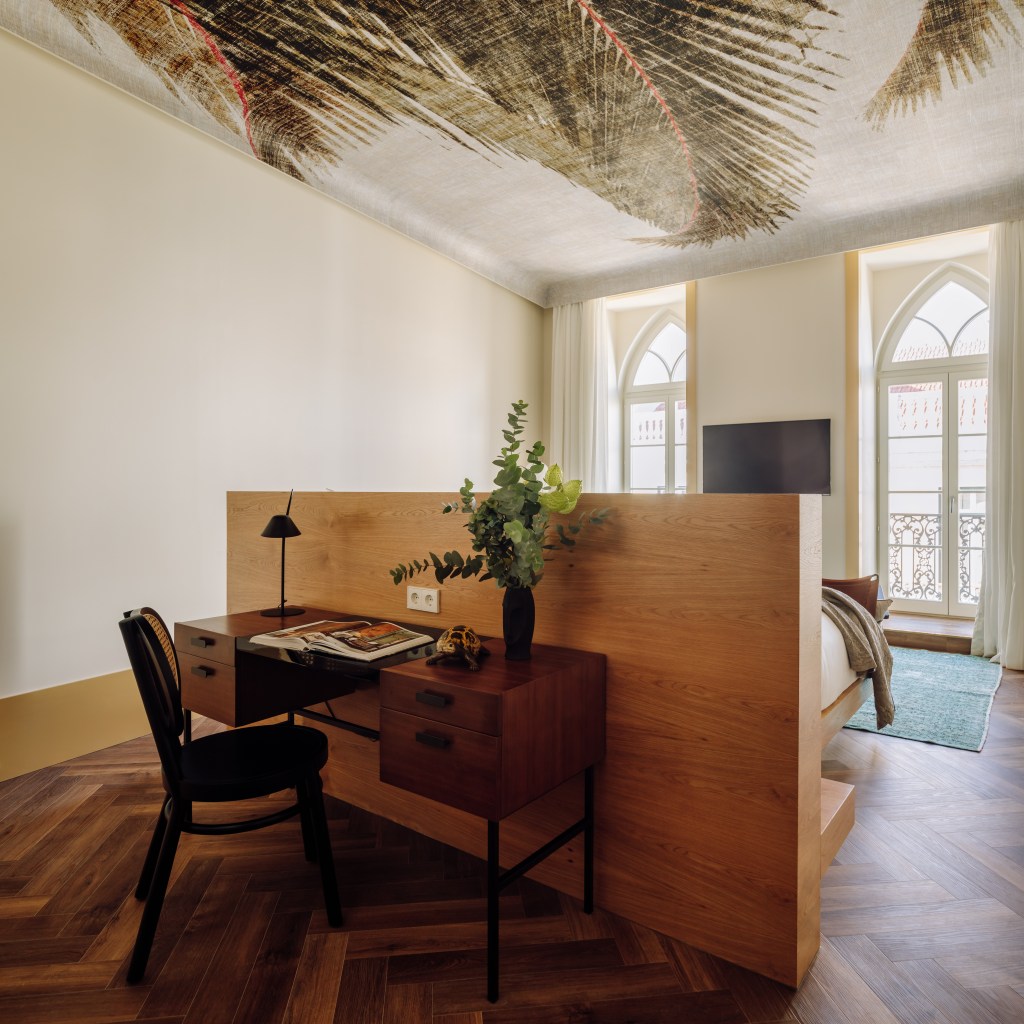
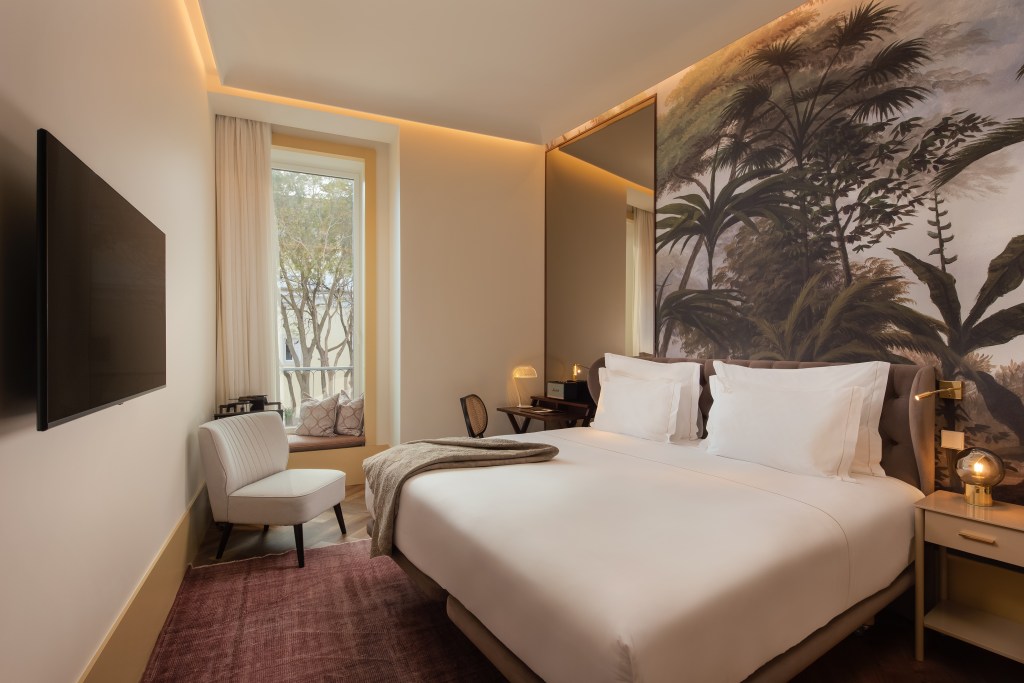
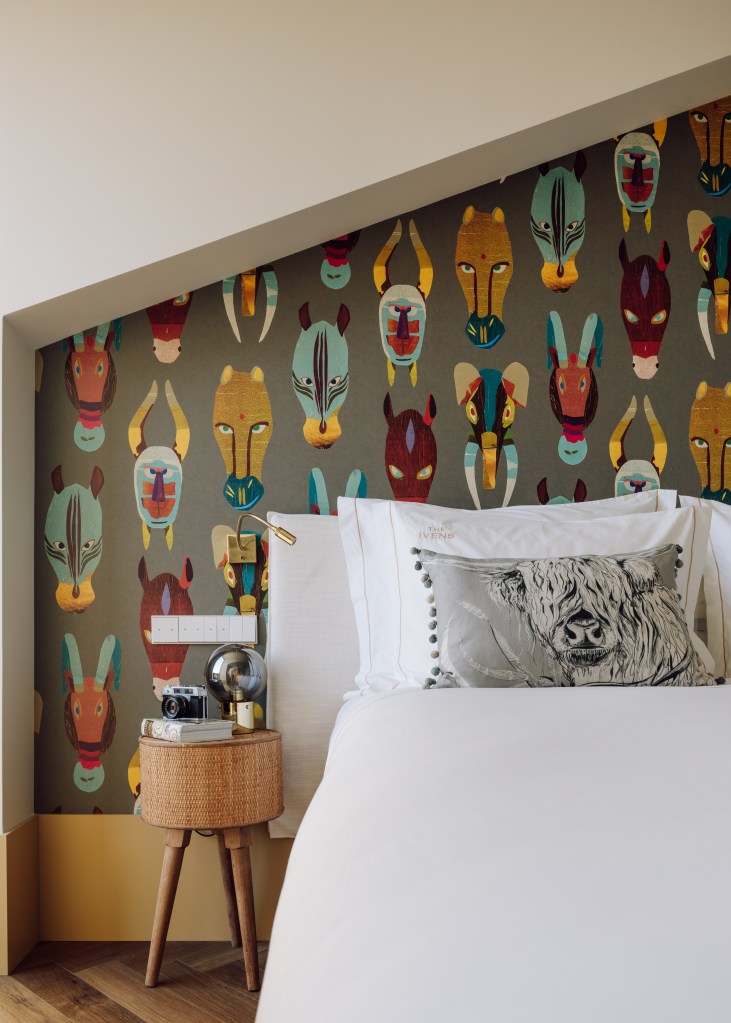
The geographical interpretation of the theme permeates the hotel’s design. its interpretive intensity extends into the physical construction of the space. Designed by Lázaro Rosa-Violán Studio (Soho House Barcelona, Cotton House Hotel, Amazónico etc.) in partnership with Cristina Matos atelier (Pestana CR7 Funchal etc.), the interiors are atmospheric rather than restrained or neutral: “Their vision was essential in creating our eclectic, lush, almost theatrical interiors that evoke distant lands and exploration.” António continues.
That word, “theatrical”, is important. The curation of the artworks and the decor follows the same logic of constructed meaning: “The art collection was conceived as an extension of the hotel’s story. Rather than a traditional collection, we curated pieces that evoke travel, nature, and discovery, it is almost like stepping into a collector’s cabinet of curiosities.” Here, decorative objects, including silver animal sculptures, palm-tree-shaped candlesticks, and green velvet sofas that reinforce its theatricality.
The hotel is designed for a specific sensibility rather than a demographic category: “Our guests are curious, culturally engaged travellers, people who value design, storytelling, and a strong sense of place. Building loyalty comes from creating an emotional connection: through highly personalised service, memorable experiences, and the feeling that each stay reveals something new. Being part of the Autograph Collection allows us to combine the strength and global reach of Marriott International with the freedom to remain authentic and distinctive. That balance is exactly what today’s guests are seeking. Consistency and trust, without sacrificing individuality.”
This positioning becomes even more significant when placed within the broader framework that enables it: the Autograph Collection by Marriott is an upper-upscale and luxury portfolio of independent, “one-of-a-kind” hotels selected for their distinct character, design, and identity. Each property is intended to retain its own name and personality, operating under the principle of being “exactly like nothing else.” Within this system, difference is not incidental, it is valued above all else. The Ivens hotel follows this amazing trajectory, and is a hot spot for US travellers.
A defining trait of this portfolio is “The Mark,” a curated signature experience unique to each hotel, whether expressed through local artistic commissions, interactive guest experiences, or narrative gestures embedded into the stay. Properties such as The Dixon, Tower Bridge, London, St. Ermin’s Hotel, London, RYSE, Autograph Collection, Seoul, Sari Pacific Jakarta, Autograph Collection, and AC Santo Mauro, Autograph Collection, Madrid each express this principle differently, through heritage architecture, contemporary art collections, or site-specific cultural interpretation. Across the portfolio, identity is not standardised but curated, while still connecting through Marriott Bonvoy, which allows guests to move between radically different hotel identities while maintaining a unified loyalty programmes.
Its “soul,” as António describes it, is defined in experiential terms: “The Ivens is adventurous and sensorial. It’s about curiosity, we invite guests to explore every moment of their stay.” Experience is not incidental but orchestrated, from arrival to departure, from warm and professional staff greetings at the entrance to fantastic room service. The intention, he explains, is clear: “It’s precisely a fusion of all those features. However, if I must choose, I’d say the immersive design experience in the sense that guests feel transported from the moment they step inside.”
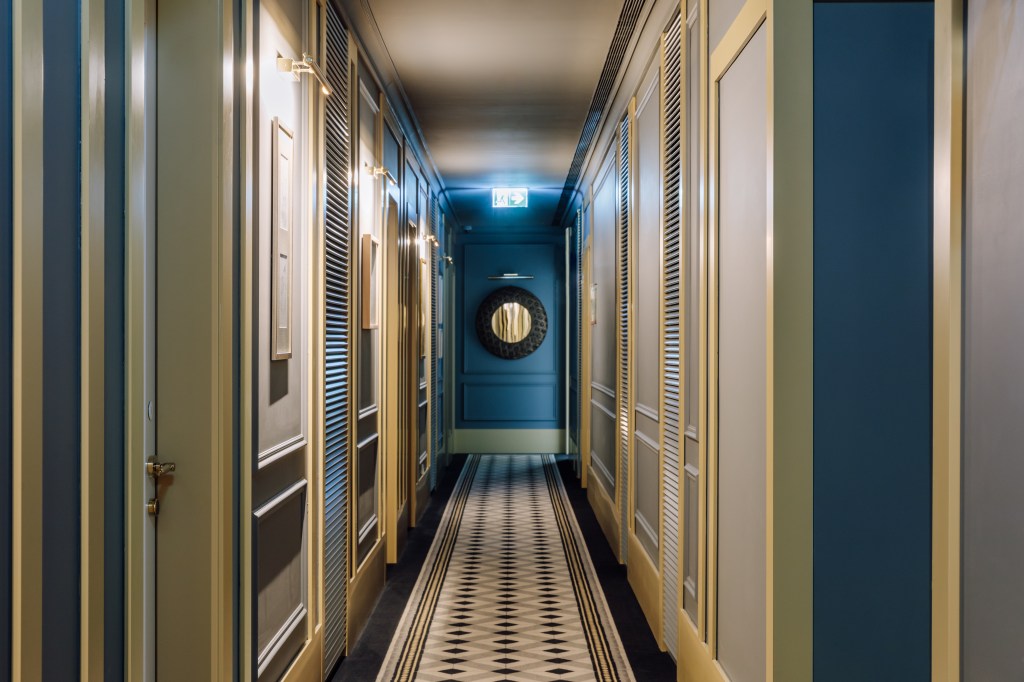
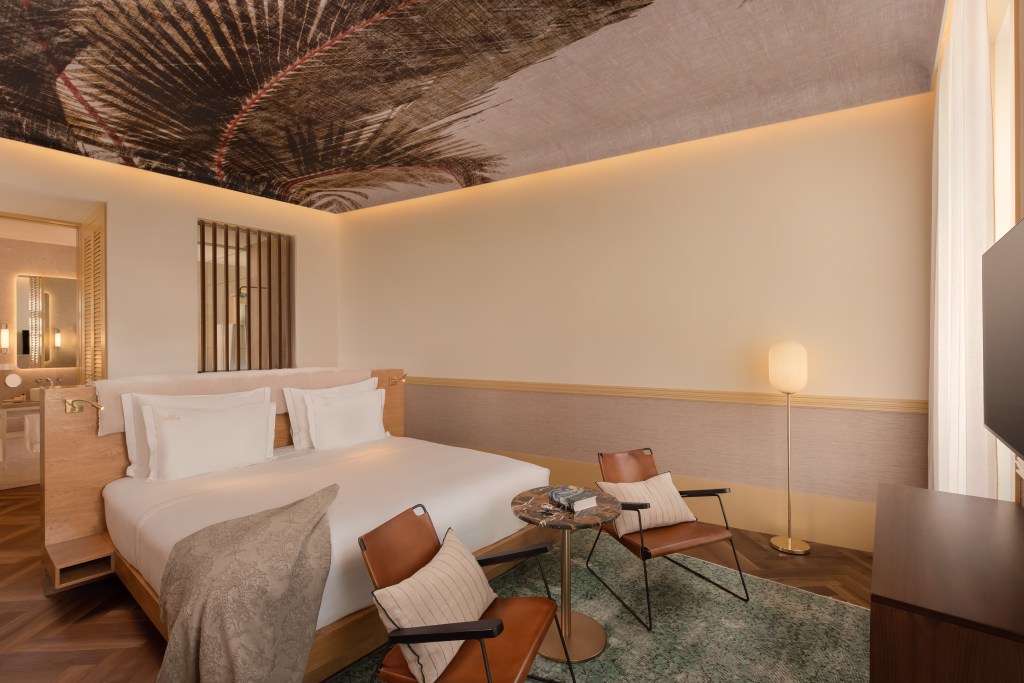
Lighting is deliberately subdued in the majestic lobby, while corridors are lined with art books such as Annie Leibovitz’s iconic monographs, and the rooms are designed to evoke a quiet sense of calm. That notion of being “transported” is the hotel’s operational ideal: a journey through the world.
With such a spectacular setting, The Ivens attracts celebrities: “While we have not positioned ourselves as a venue for formal shoots, the hotel naturally attracts a vibrant mix of creatives. We regularly welcome artists, fashion designers, and international personalities who are drawn to our distinctive atmosphere. There is an organic creative energy here. Guests often find inspiration in the spaces, and the hotel becomes part of their own story rather than a simple backdrop.”
Operationally, maintaining such a VIP environment requires skills. António talks about consistency: “Maintaining consistency at the highest level is always the challenge. Ensuring every guest experience matches our vision while continuing to evolve and surprise. At the same time, like much of the hospitality industry, we are navigating the ongoing challenge of attracting and retaining exceptional talent, which remains essential to delivering the level of service we aspire to.”
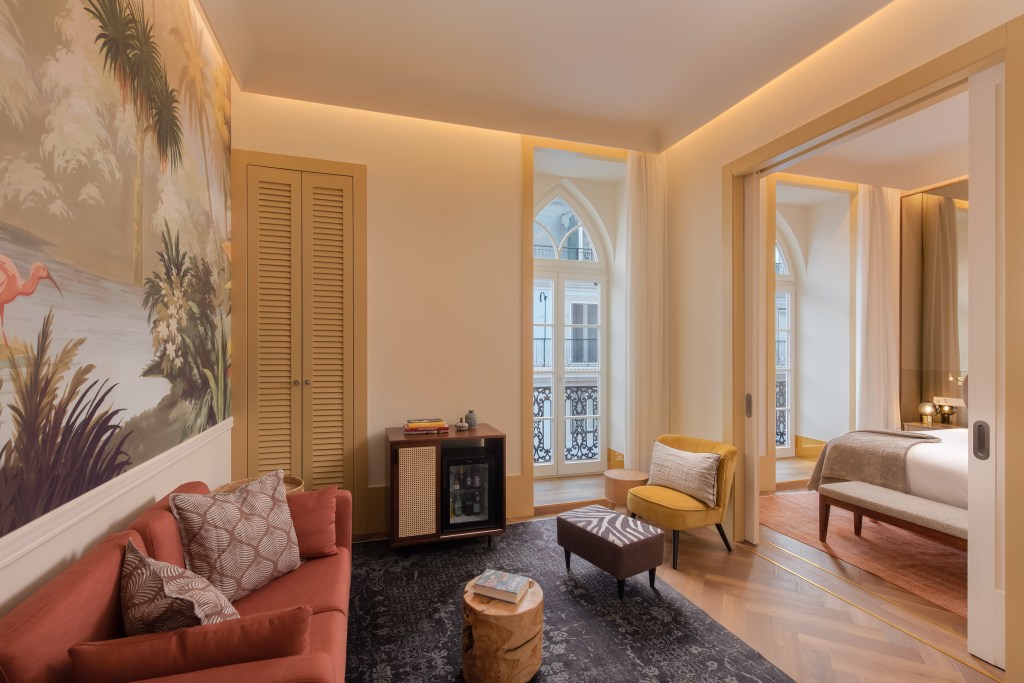
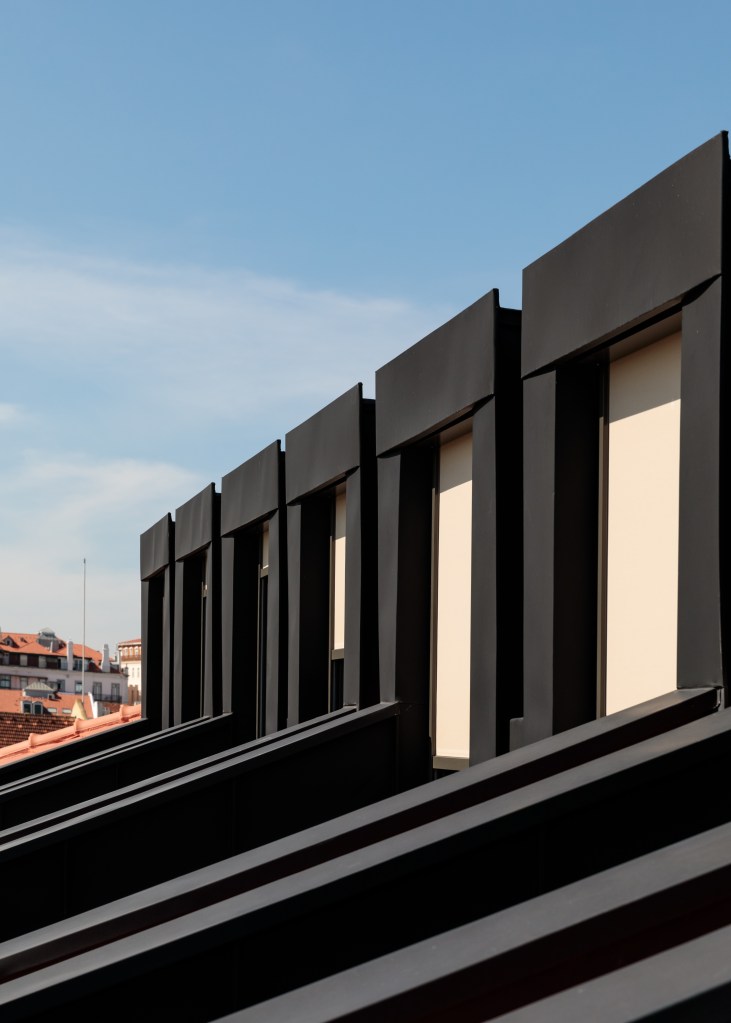
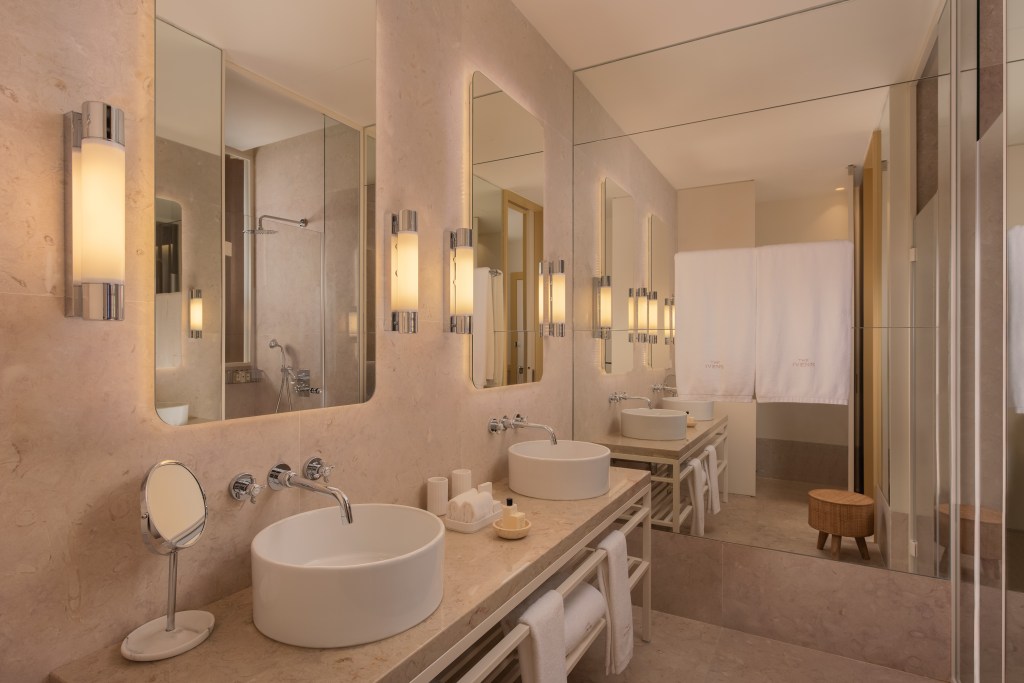
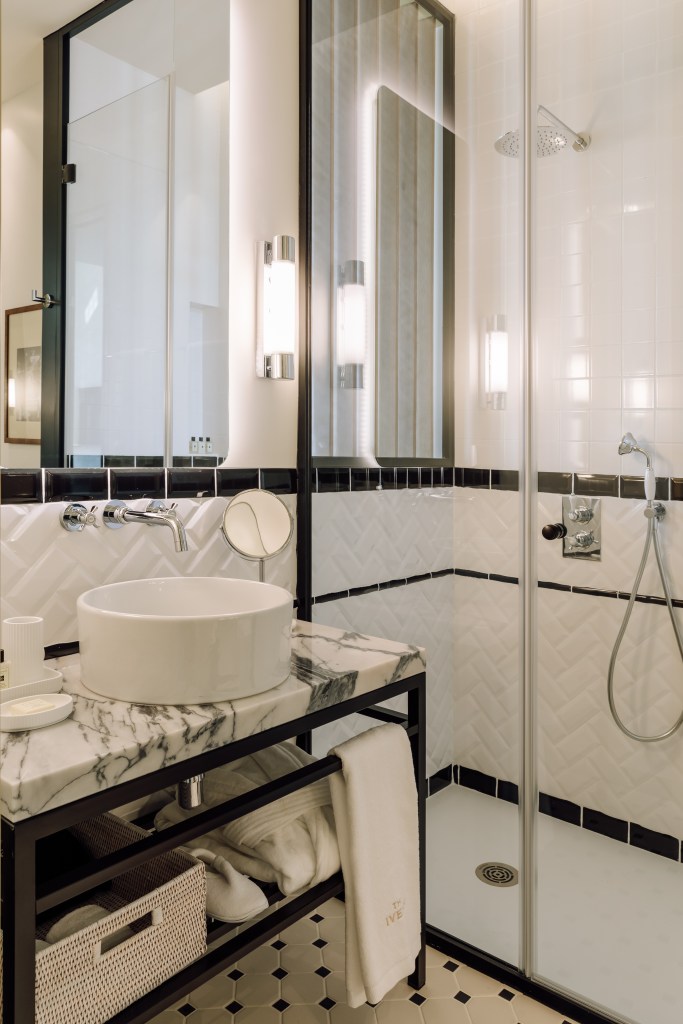
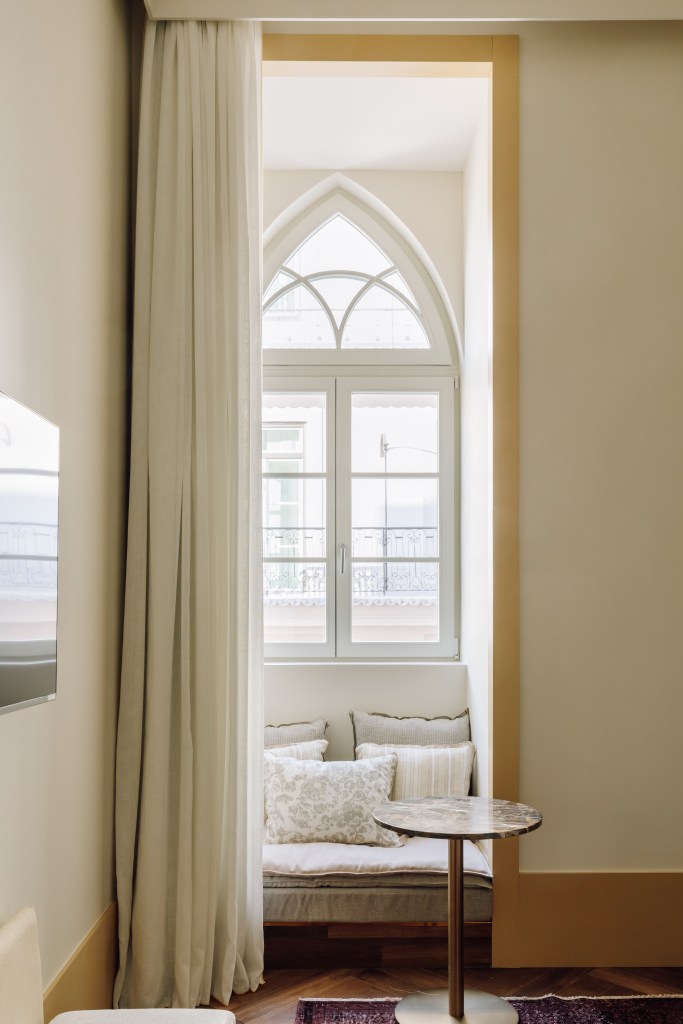
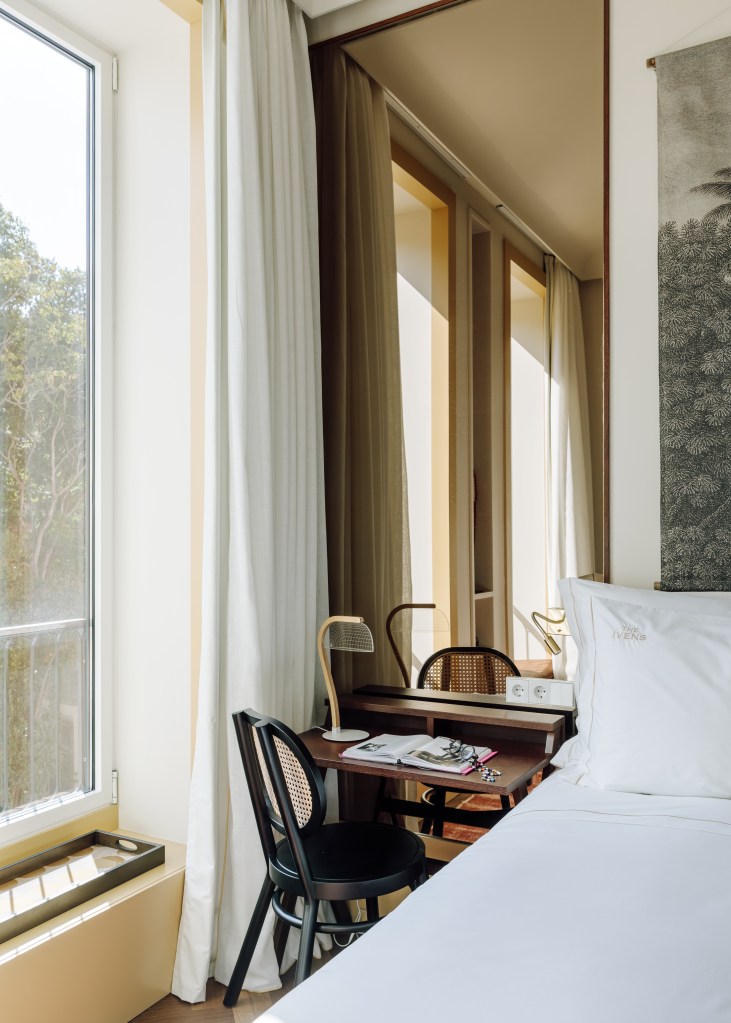
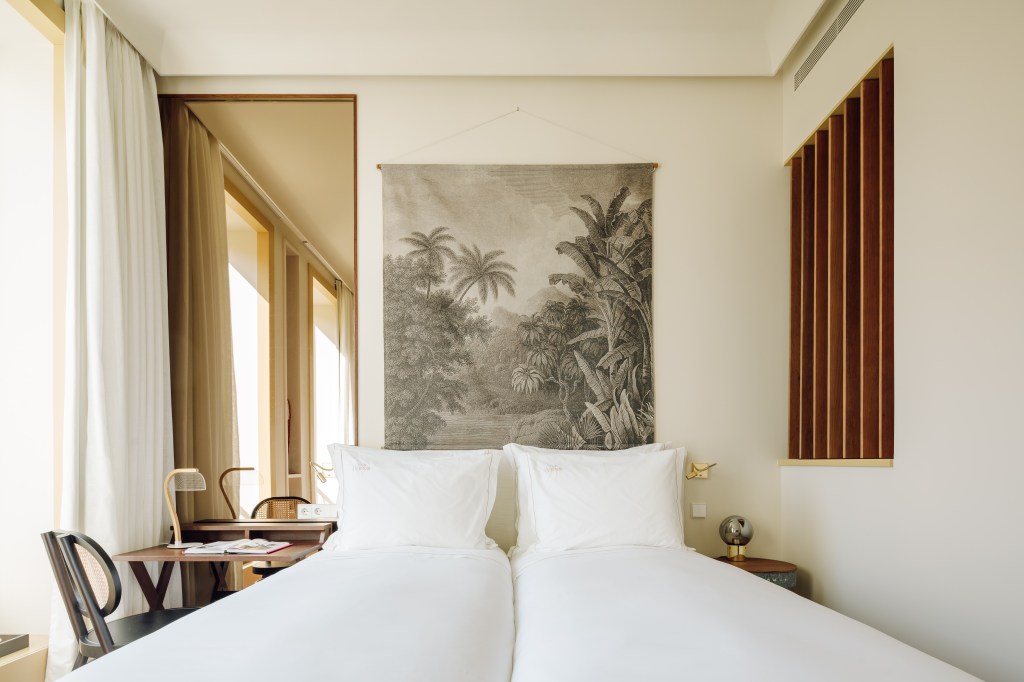
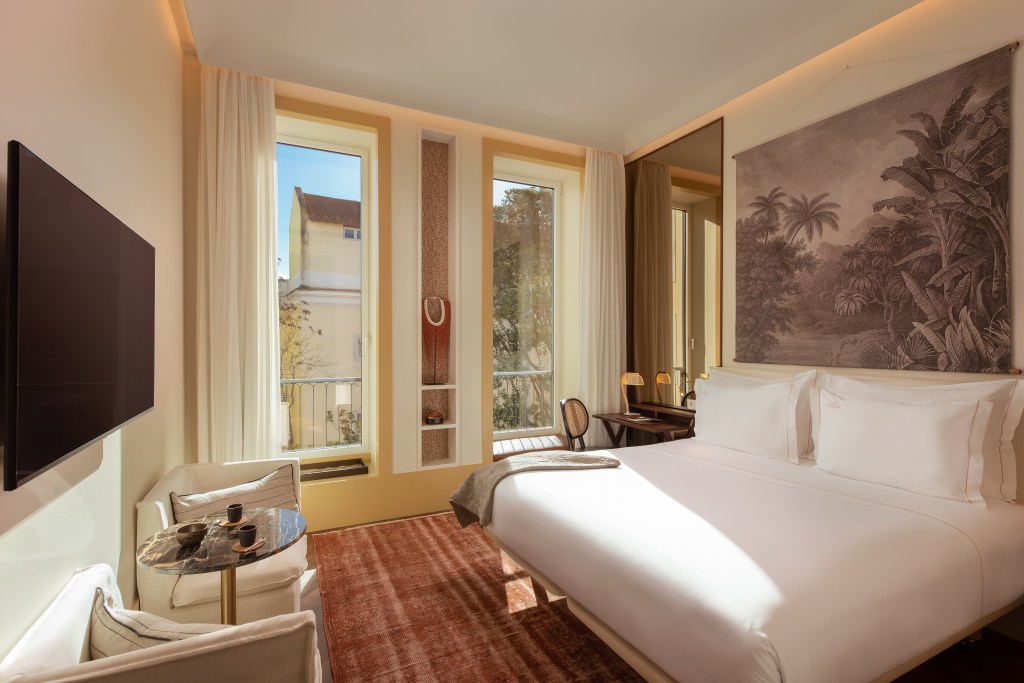
The Ivens offers a concise range of rooms, from Capelo and Superior categories to Premium rooms, balcony options, and expansive suites, with increasing space, light, and views as you move up. The rooms are conceived as calm, refined retreats, with Acqua di Parma toiletries, coffee machines, large televisions, and in some cases balconies, all set within a soft palette of creams, beiges and subtle neutrals; daily-curated recommendations are presented on a beautifully designed printed guide, while artworks, noble textiles, and understated materials enhance the sense of ultra-comfort, culminating in spacious marble bathrooms that reinforce the hotel’s serene, elegant character.
As most hotels become even more eco-responsible, sustainability is embedded into its operations: “We focus on reducing waste, improving energy efficiency, and working with local suppliers. Sustainability is integrated into daily operations rather than treated as a separate initiative.” António adds.
Looking forward, the hotel confidently expands its reputation beyond architecture and service into publishing, curation, and authored storytelling: “Our vision is to keep the collection dynamic and ever evolving, introducing new pieces, collaborating with contemporary artists, and continuously enriching the narrative so that each visit offers a fresh perspective. Beyond the physical collection, we are expanding our artistic expression into different formats. We are about to release the first edition of our Great Book, a curated volume of experiences in Lisbon where our guests themselves become the “artists,” shaping the story through their journeys. We are also developing a collection of tales to be launched in the coming months, transporting readers into the imaginary world of the great explorers who inspire the spirit of the hotel. Together, these projects allow us to extend the art collection beyond walls and into lived and shared experiences.”
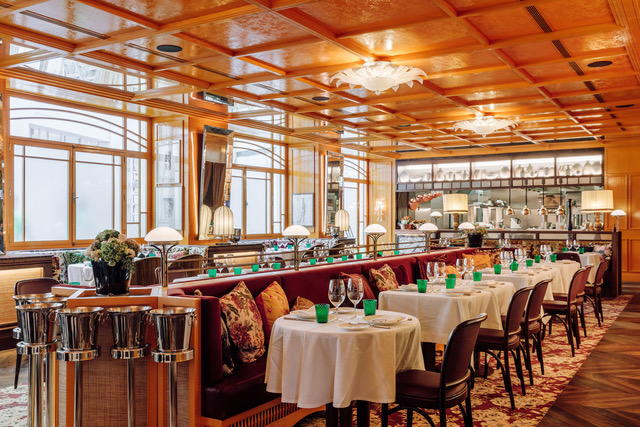
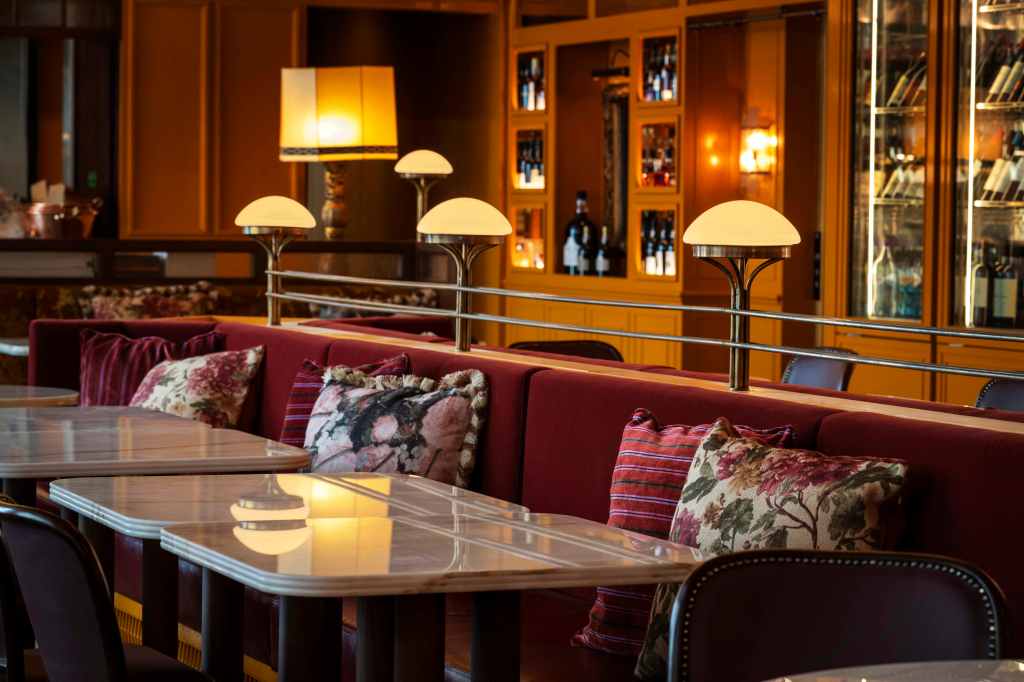
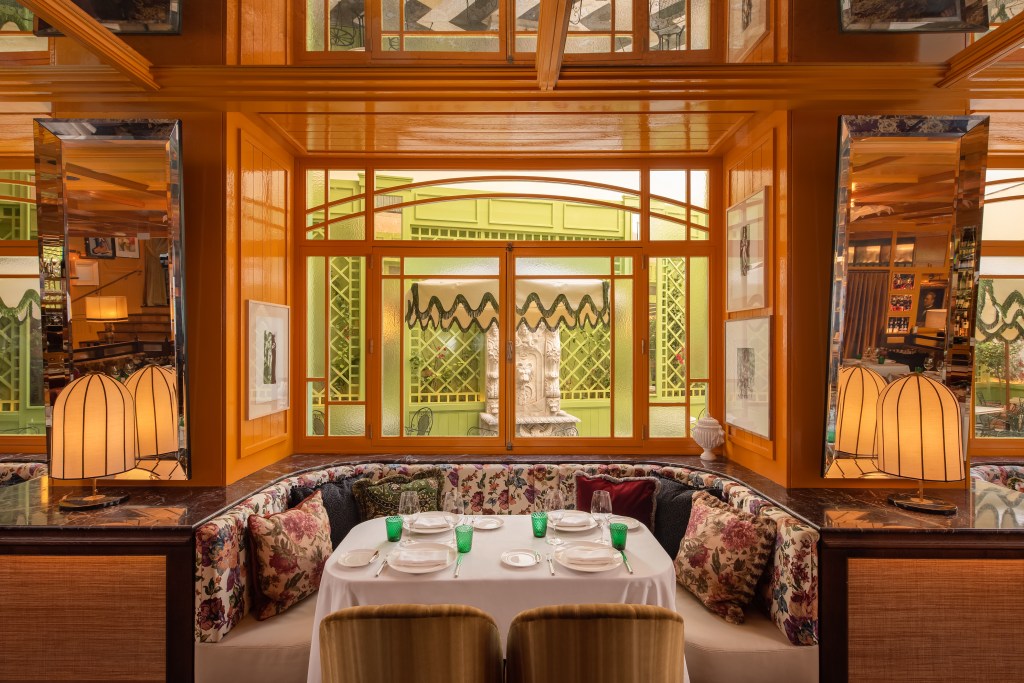
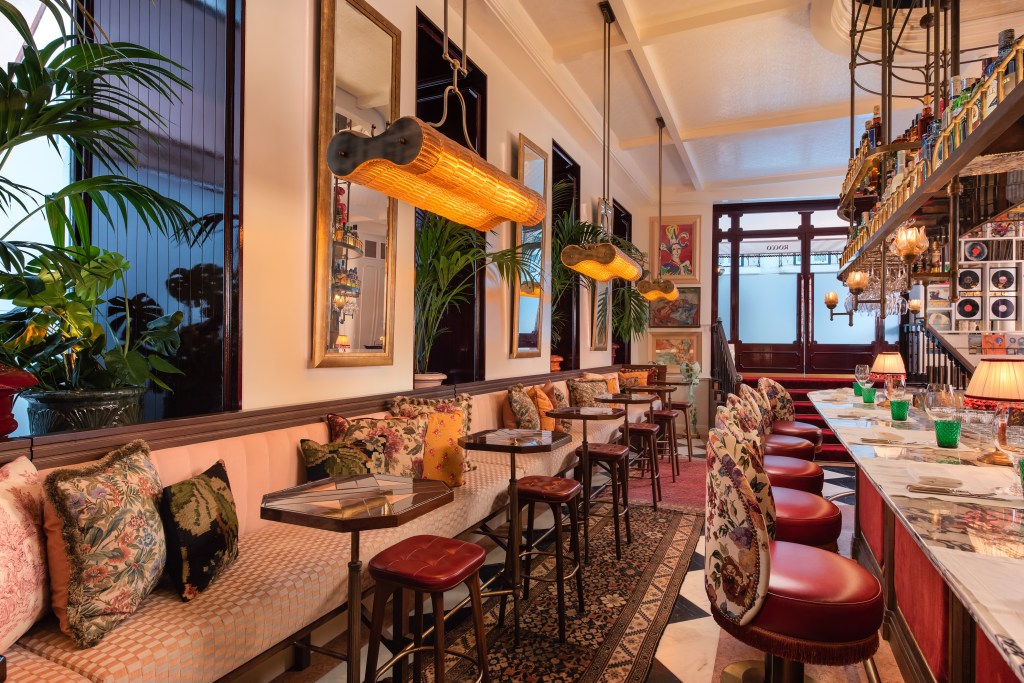
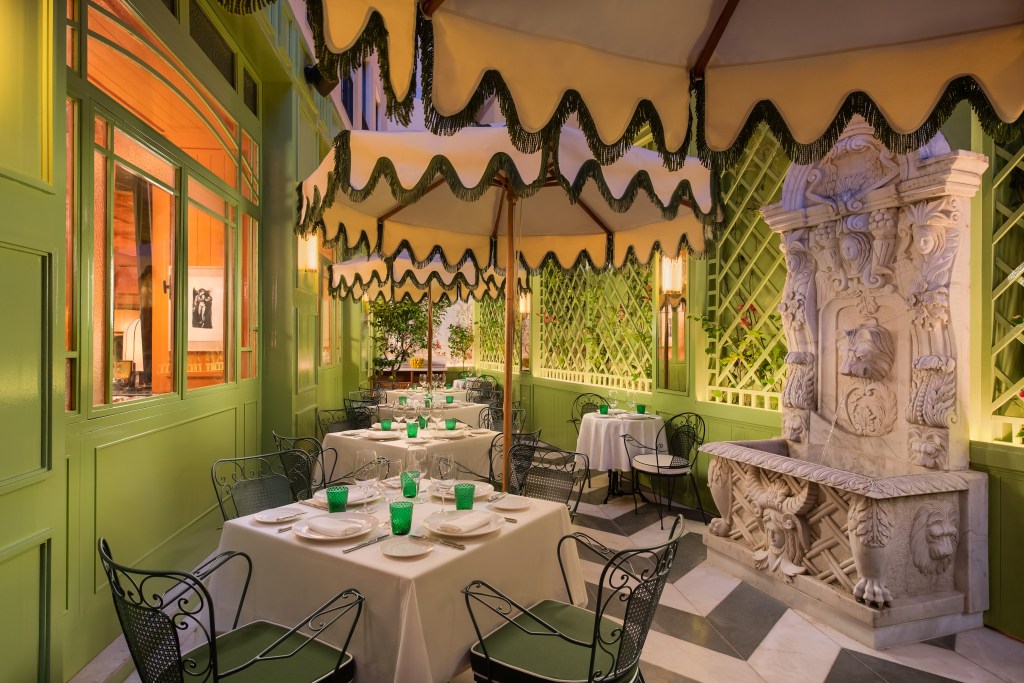
The restaurant at The Ivens, Rocco, is a spectacular, multi-layered dining space designed by Lázaro Rosa-Violán, unfolding across a Gastrobar, Crudo Bar and Ristorante that together create a theatrical, immersive experience inspired by Italian osterias and Mediterranean glamour, and it sits at the very heart of the property. It’s gorgeous!
Conceived as a maximalist interior of marble, rattan, velvet and dramatic lighting, it channels the spirit of cinematic hospitality often associated with private members’ clubs such as Annabel’s in London. António confesses the inspiration. At breakfast, the presentation of pastel de nata is particularly striking, while the curated paintings on the walls add a refined, gallery-like sensibility to the space. The green terrace continues to transport guests, this time in Sicily.
António frames the city as a layered cultural field, recommending both canonical and lesser-known sites: “Lisbon’s cultural scene has evolved tremendously in recent years, offering a rich dialogue between tradition and contemporary creativity. I would certainly recommend a visit to the Calouste Gulbenkian Museum, not only for its remarkable collection but also for its excellent music programme. For those interested in contemporary art, exploring emerging talent in spaces like Underdogs Gallery provide a compelling glimpse into Lisbon’s new generation of artists. For lovers of historic and sacred art, the National Museum of Ancient Art offers an extraordinary collection that reflects Portugal’s rich artistic heritage.”
And finally, its hidden layers: “One of Lisbon’s true hidden gems is the Palácio dos Marqueses de Fronteira. This stunning palace, just outside the city center, once served as a royal retreat and remains a remarkable showcase of Portugal’s rich artistic heritage. Luiz Ferreira store, whose intricate silver animal pieces stand as a testament to the country’s mastery of craftsmanship and silversmithing at its finest.”. There is so much to explore and The Ivens is the perfect base for it.
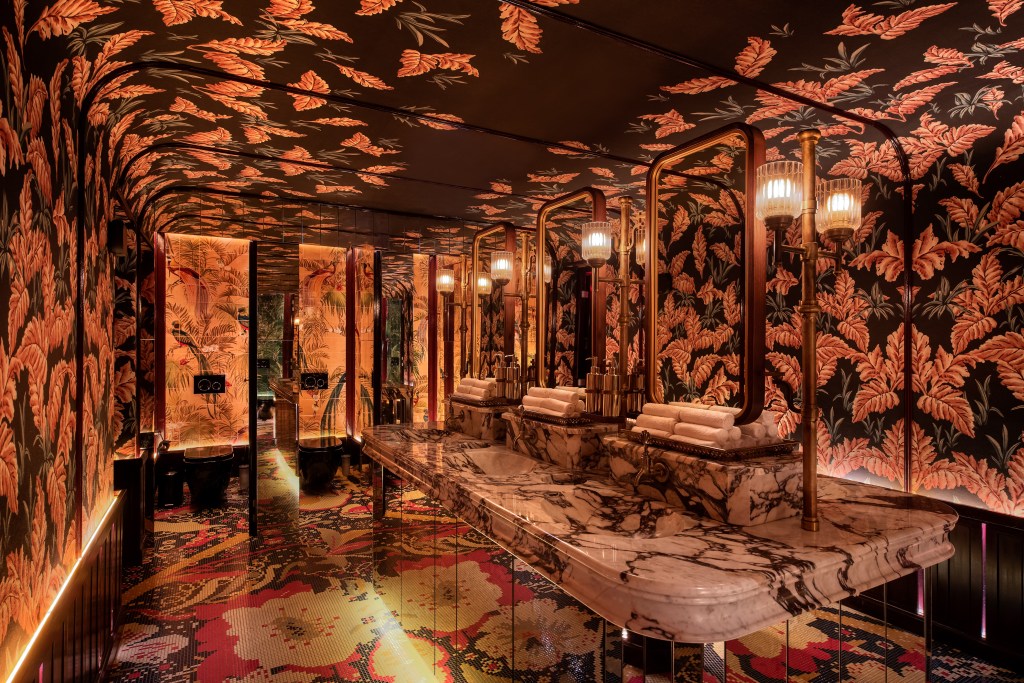
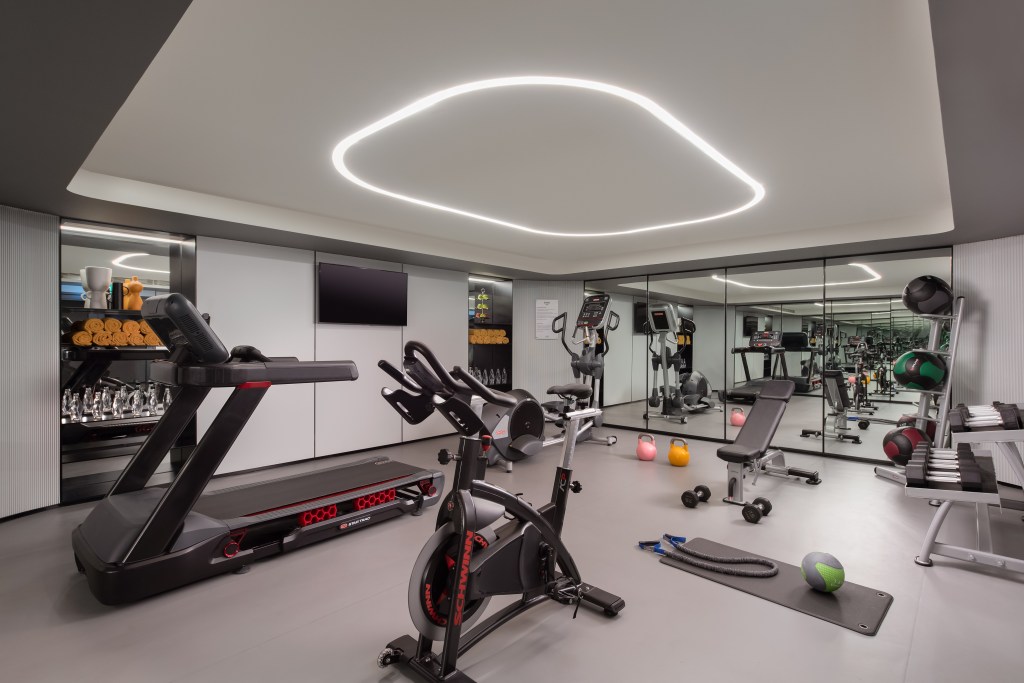
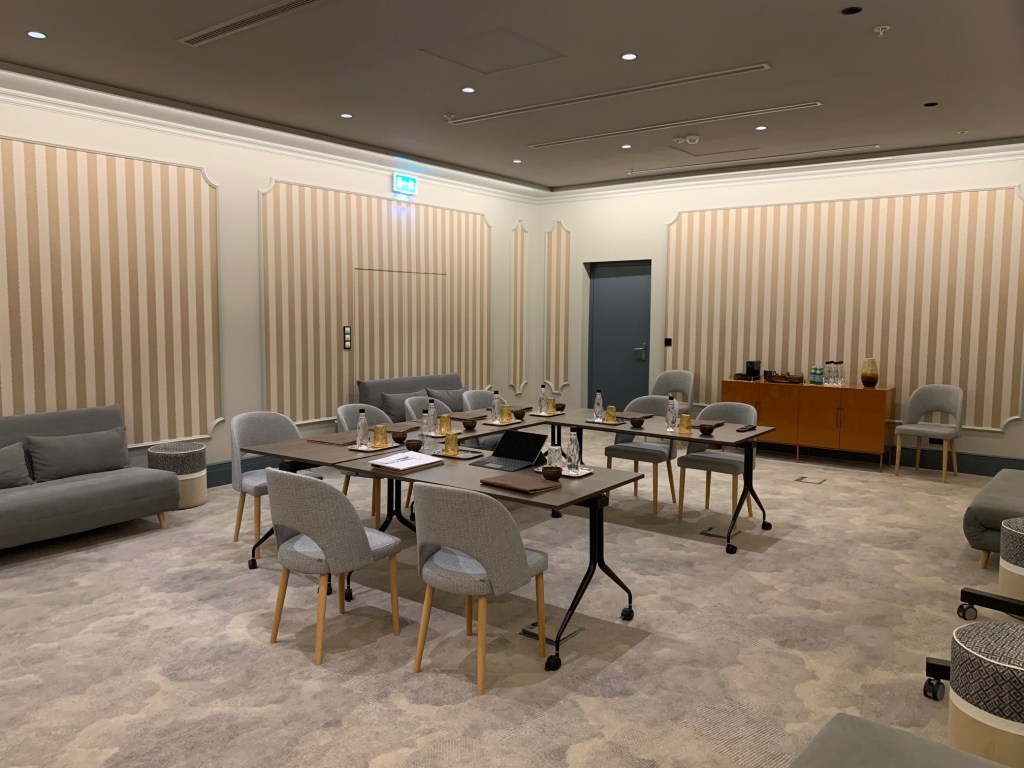
The property also offers a private car park for convenient and secure access, a 24-hour fully equipped gym for guests wishing to train at any time of day, and a fully equipped meeting room suitable for business use, presentations, or private gatherings. The downstairs bathroom is a highlight in itself, featuring striking design and carefully considered décor, well worth a visit.
Taken together, The Ivens, The Autograph Collection, emerges as the best Lisbon has to offer: an environment where guests will experience the highest design and service, aligned into a single, continuous, high luxury setting and fascinating story telling. Truly the best!
–
Images by Adolfo Rancaño Gijón and Francisco Nogueira.
With thanks to António Leão and the team at The Ivens, and to Sofia Nobre at O Apartamento.
 ART IS ALIVE