Amsterdam is remarkable for culture because art is not simply something contained within its museums; it is woven into the city’s identity, architecture, history and everyday life. Few European capitals offer such a compelling dialogue between the old and the new, between the Dutch masters and the avant-garde. From Rembrandt and Vermeer to the radical visual universe of Yayoi Kusama, currently on view at the Stedelijk Museum, Amsterdam has always been a city of artists, collectors and creative thinkers. Its cultural institutions continue to reinterpret history while embracing the ideas shaping the future.
This is particularly evident at the moment. The Van Gogh Museum brings together the extraordinary artistic world of Vincent van Gogh with an exhibition devoted to James McNeill Whistler. At the Rijksmuseum, Willem de Kooning at Work offers a fascinating connection between Dutch artistic heritage and the international modern art movement. Three museums, three very different artistic universes, and a wonderful reminder of why Amsterdam remains such an important cultural destination.
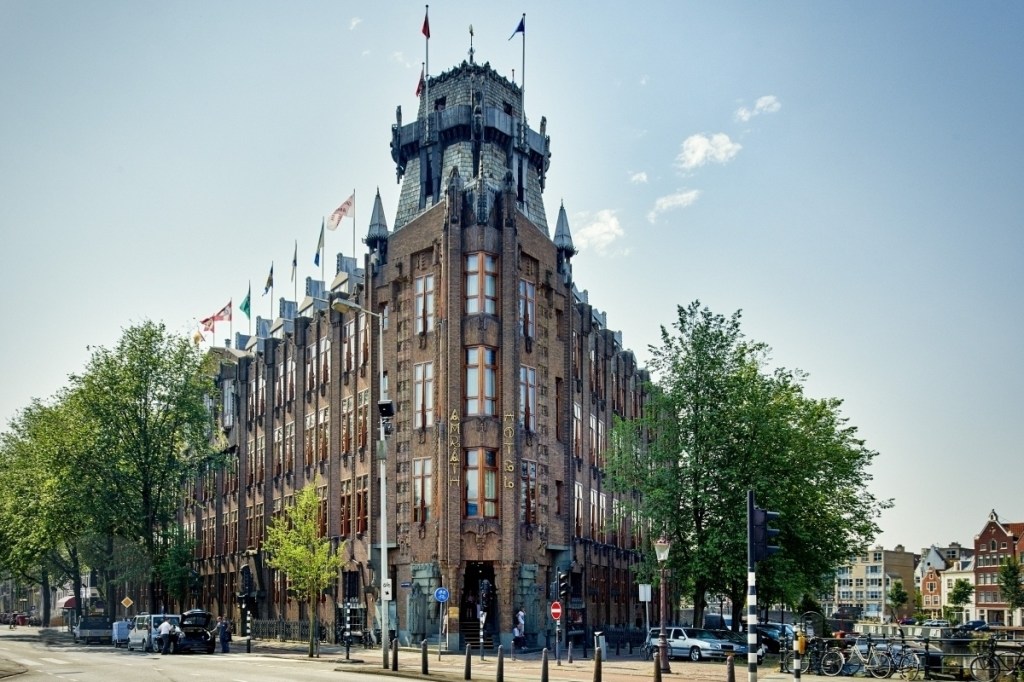
But the city is also an architectural museum in its own right. Its canals, merchant houses, historic churches and remarkable early twentieth-century buildings tell the story of centuries of trade, ambition, artistic experimentation and international exchange. And among its most extraordinary architectural treasures is the Scheepvaarthuis, home to Grand Hotel Amrâth Amsterdam. This is the most majestic hotels of Amsterdam!
Emerging across Europe in the late nineteenth century, Art Nouveau sought to bring art into everyday life, rejecting historical conventions in favour of organic forms, flowing lines and inspiration from nature. Its expression varied across the continent: in Barcelona, Antoni Gaudí gave it a fantastical architectural language; in Nancy, the École de Nancy explored its possibilities through glass, furniture and decorative arts; while in Amsterdam, its influence evolved into the distinctive Amsterdam School, celebrated for expressive brickwork, sculptural details and architectural craftsmanship. Despite their differences, all shared a desire to unite art, architecture and design into a harmonious whole.
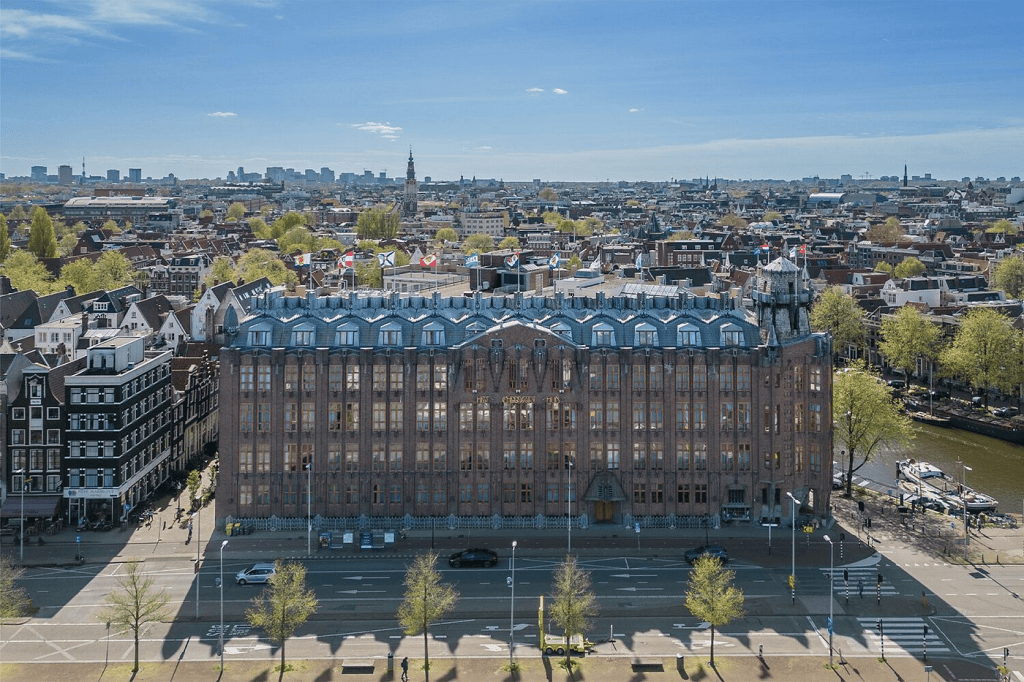
Grand Hotel Amrâth Amsterdam is a spectacular venue that brings together culture, architecture, art and design. Situated on Prins Hendrikkade, a short walk from Central Station, this remarkable five-star property occupies one of the most important architectural monuments in the Netherlands. It is a hotel where the building itself is the principal work, where history is visible in almost every corner, and where the experience of staying becomes inseparable from the story of Amsterdam.
The story of the Scheepvaarthuis begins at the beginning of the twentieth century, when six major Dutch shipping companies decided to join forces and establish a shared headquarters. From this location, tickets for sea voyages to destinations including the Dutch East Indies and Africa were sold, while the companies’ operations were managed. In 1912, architect Van der Mey was commissioned to design the building, which was intended to serve as a flagship, radiating both grandeur and power.
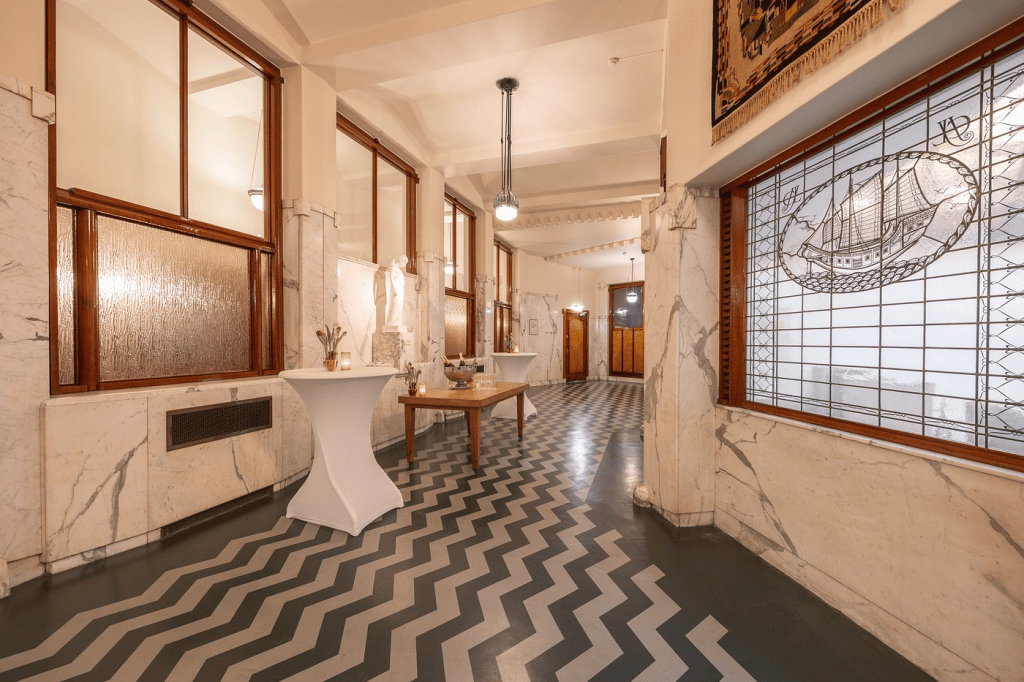
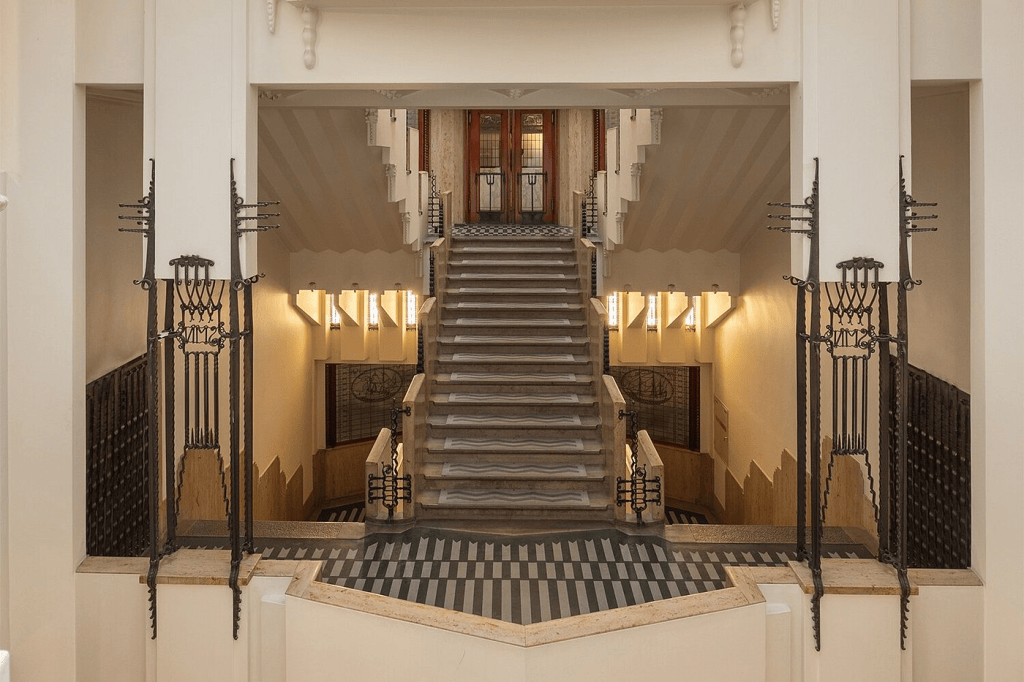
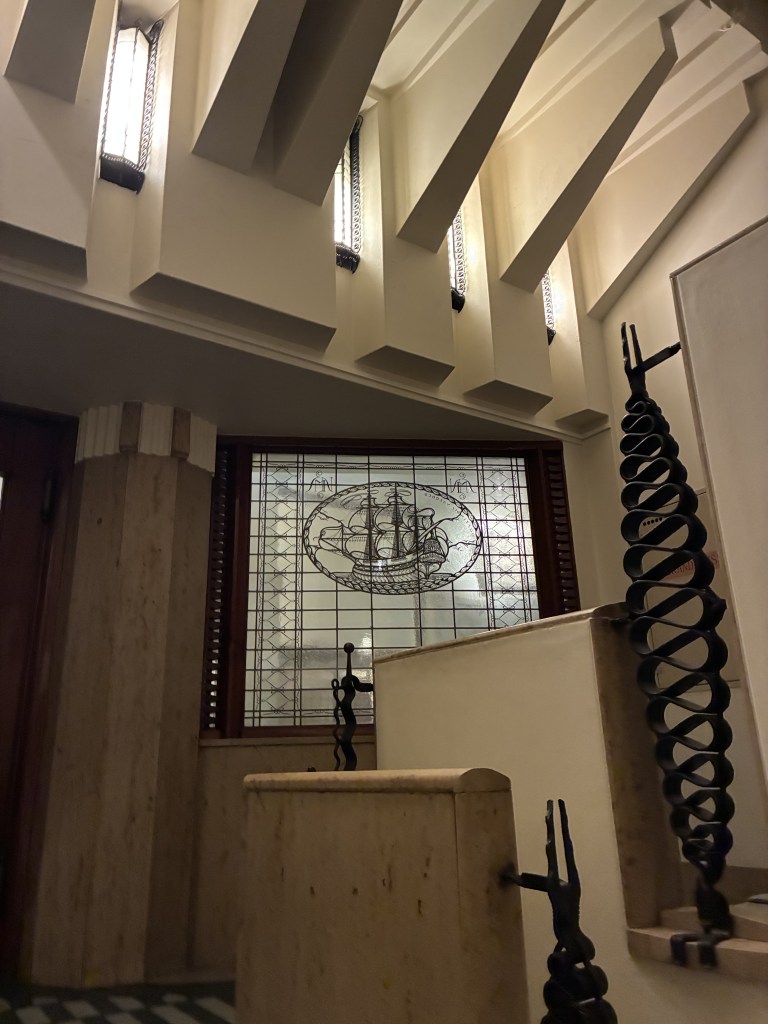
The first section opened in 1916, and the building became the foundational example of what is now known as the Amsterdam School style. Its expressive brickwork, sculptural façade, elaborate ironwork and richly decorated interiors represented a radical departure from more conventional architecture. Nature, the sea and maritime mythology became recurring sources of inspiration, with extraordinary attention given to even the smallest decorative details.
Following the Second World War, the shipping companies gradually moved out of the Scheepvaarthuis. After years of prosperity and optimism, the building stood vacant in 1979. In 1983, the municipal transport company GVB moved in, and the property was adapted to suit the needs of that era. In 1998, the Municipality of Amsterdam put the building up for sale, and it was purchased by Giovanni van Eijl, founder of Amrâth Hotels.
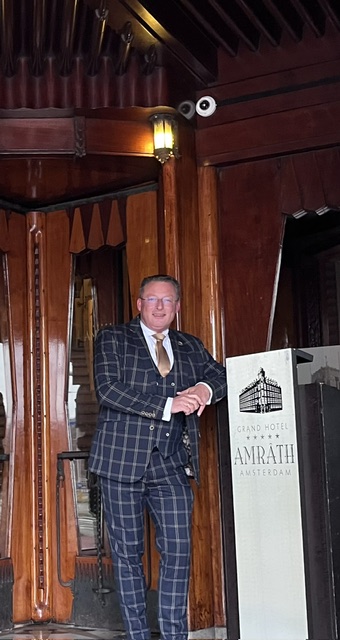
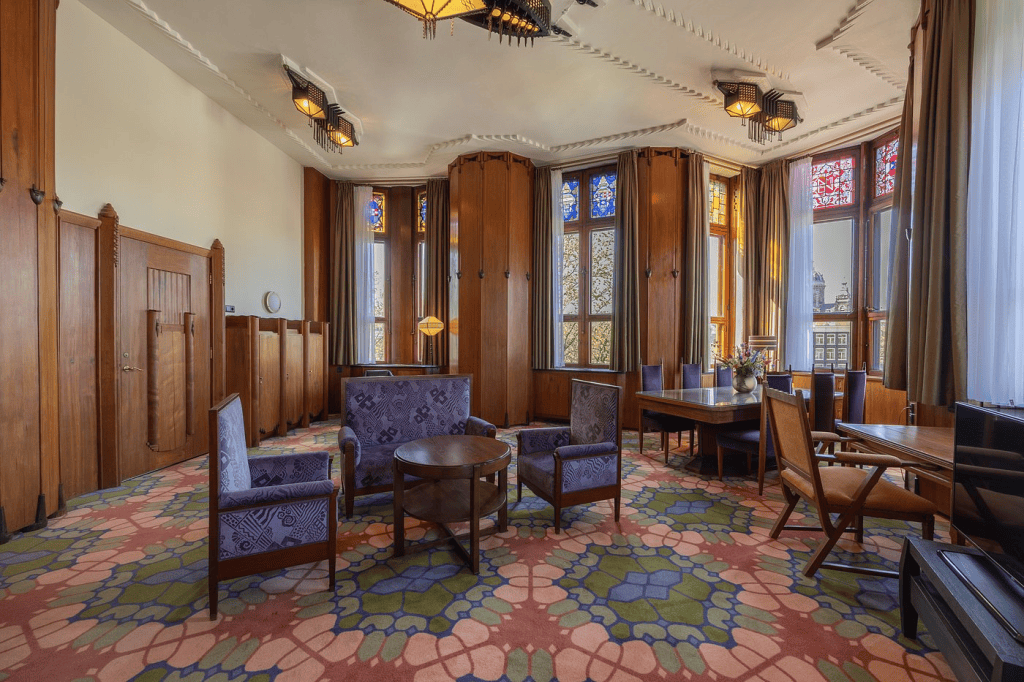
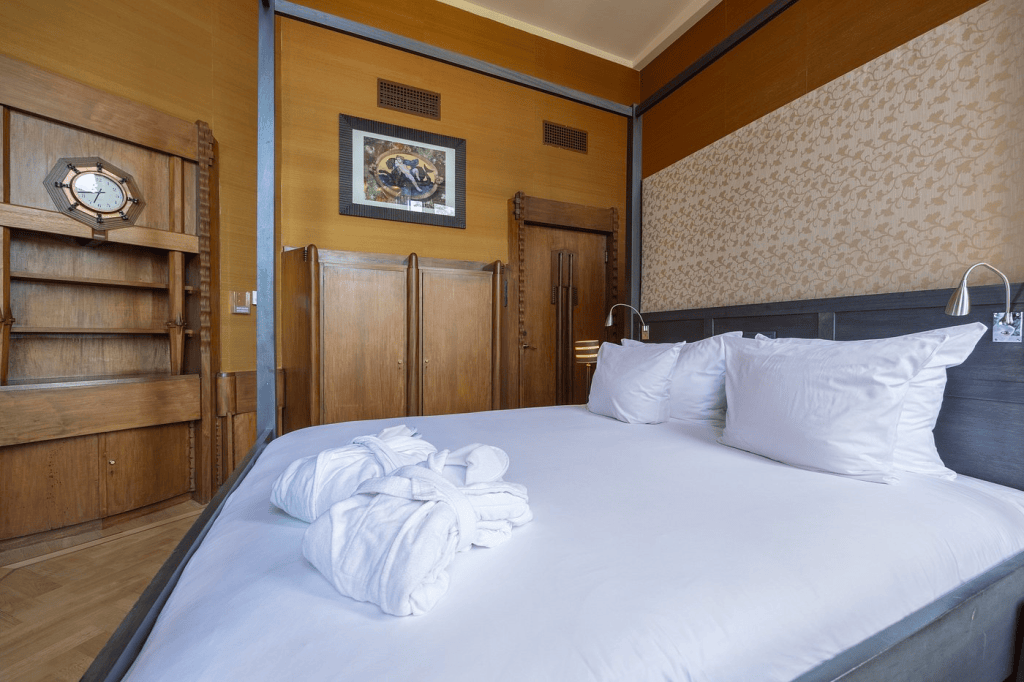
As Joeri Nuijten, General Manager of Grand Hotel Amrâth Amsterdam, explains, Van Eijl’s ambition was to give the building a new purpose without compromising its extraordinary character. “His vision was to transform this majestic building into a five-star hotel while preserving its authentic identity. Both its exterior and interior are monumental, making the property truly one of a kind. Historical elements can be found everywhere, and each room features original pieces of furniture for guests to use.”
After years of renovation and reconstruction, Grand Hotel Amrâth Amsterdam opened its doors in 2007. Joeri believes that the experience begins long before guests reach their rooms. “It is fair to say that guests here are booking a historical experience rather than just a hotel room.”
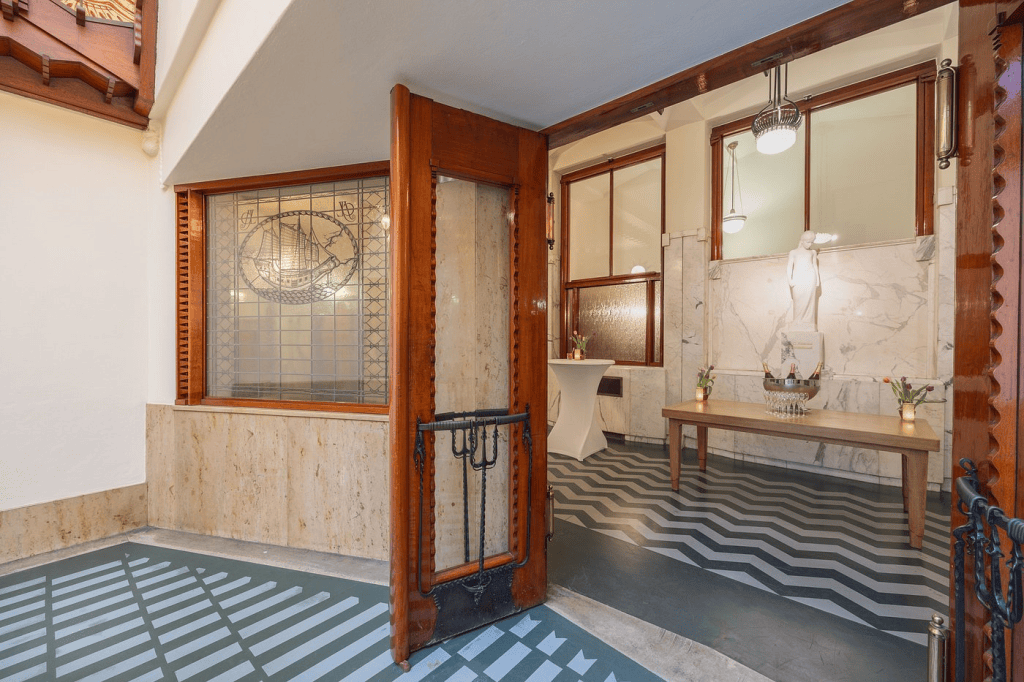
The transformation was entrusted to architect Kentie (also responsible for Rosewood Amsterdam, The Hoxton Amsterdam, Soho House Amsterdam), whose challenge was to make the building feel as though it had always been a hotel. Existing walls, doors, window frames, wainscoting and original furniture were incorporated wherever possible. The restoration was not about imposing a contemporary hotel aesthetic upon a historic monument, but about allowing the original architecture to speak. The result is simply stunning!
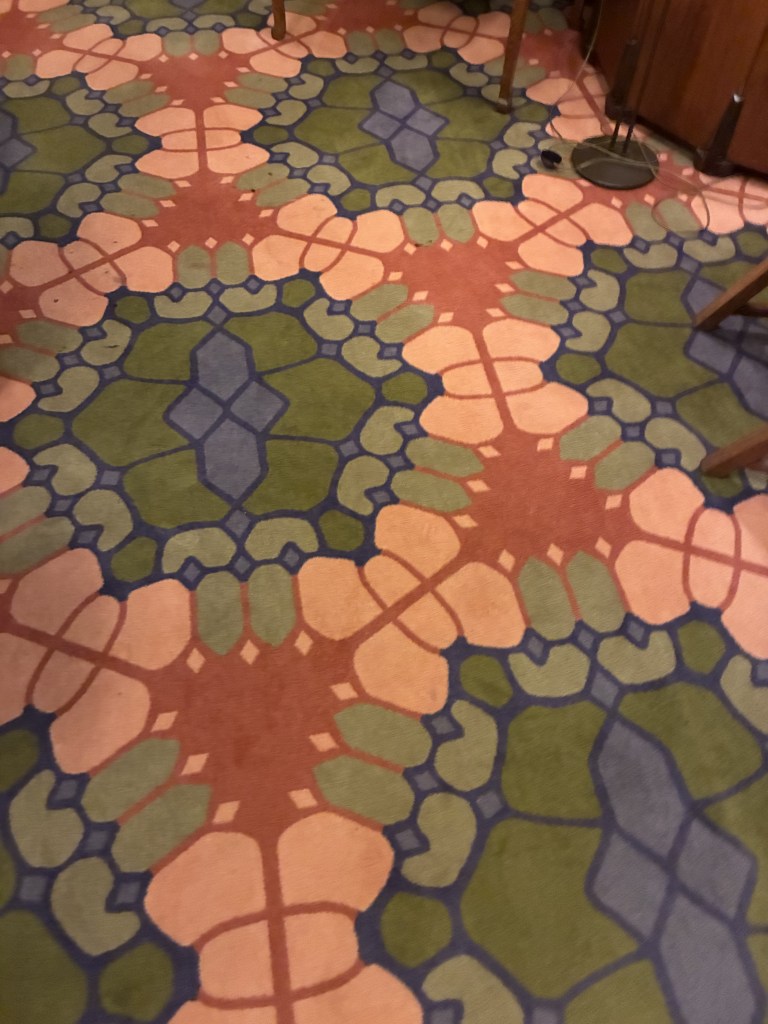
Joeri describes some of the more unusual details behind the transformation. “During the renovation, a small scrap of fabric was discovered, which served as the inspiration for all the upholstery, a project realised by Christie van der Haak. Gerti Bierenbroodspot was commissioned to create lithographs themed around the former Scheepvaarthuis, ensuring that the maritime heritage remained a recurring element throughout the property.”
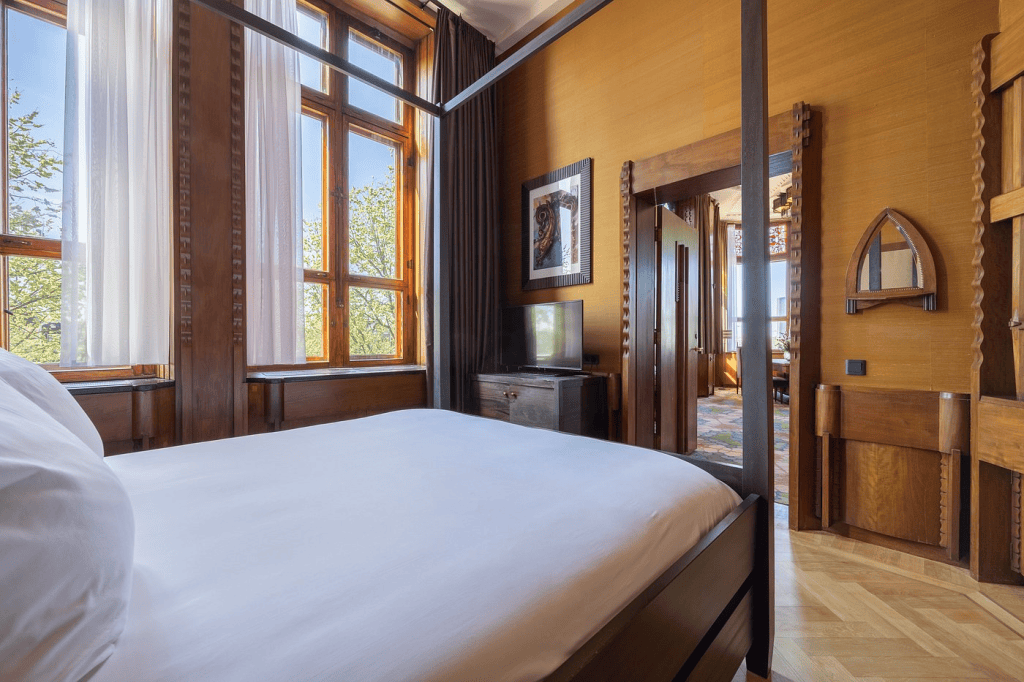
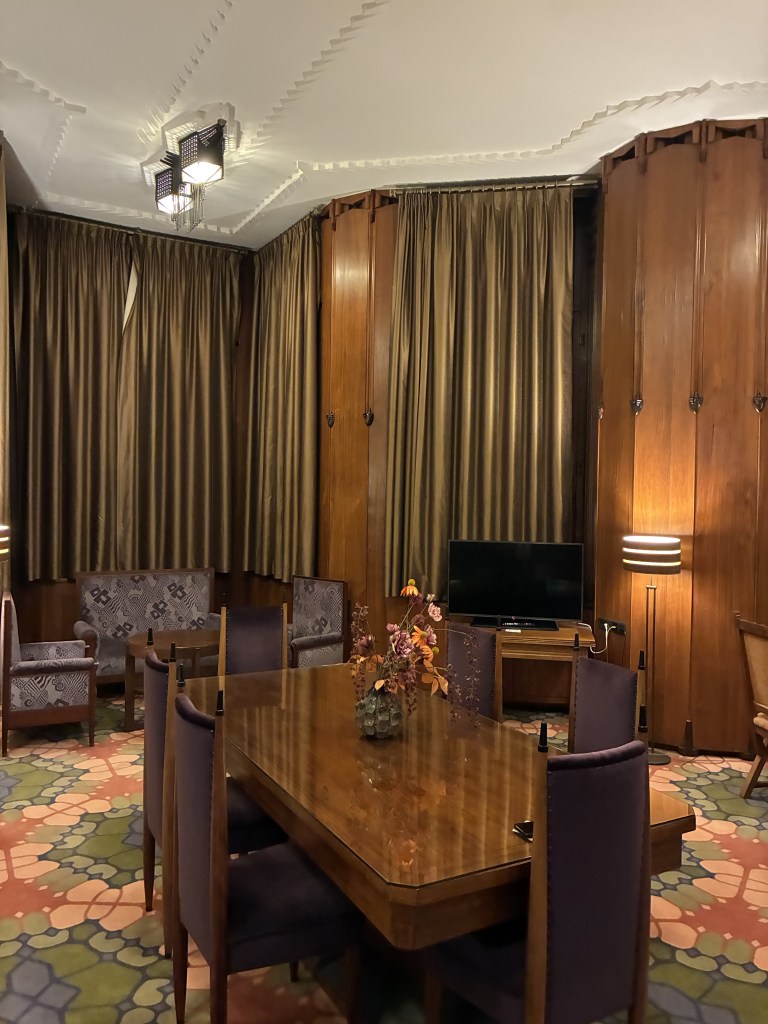
The original furniture collection was also carefully considered. The hotel’s curator oversaw the collection and, until last year, continued to acquire furniture and other pieces associated with the building and the Amsterdam School. As Joeri explains, “She was responsible for monitoring various auctions to see if any pieces were being offered that had originally been in this building or were associated with the Amsterdam School style.” These pieces have been returned to the hotel’s rooms and communal areas, creating a particularly close relationship between the building’s history and the experience of its guests. The result is spectacular.
“By placing these pieces of furniture in the hotel rooms and common areas, a unique experience is created,” the General Manager continues. “Wherever you look, whether inside the hotel or at the building’s façade, you encounter references to the past. That is precisely what makes this hotel so unique.”
For Joeri, art is not an accessory to the hospitality experience, but an essential part of it. “Without the art, the experience simply wouldn’t be complete.” While its decorative language has something of the romantic spirit of Art Nouveau, the building is principally regarded as a masterpiece of the Amsterdam School, an architectural movement characterised by expressive brickwork, sculptural detailing and an almost theatrical approach to ornament.
It is a philosophy that runs through the entire property. The building is full of references to its past, and returning guests continue to discover details they had previously overlooked. There is always another carving, another architectural feature or another historical reference waiting to be noticed.
Amsterdam’s cultural identity has always been shaped by its openness to the world, its extraordinary artistic heritage and its appetite for new ideas. The Scheepvaarthuis tells another part of that story: a time when maritime ambition, architecture and artistic imagination came together to create something truly exceptional.
Joeri’s own professional background gives him an interesting perspective on what makes a luxury hotel distinctive. Having spent approximately 25 years in hospitality, his career has taken him from Michelin-starred restaurants to a luxury cruise ship, as well as four-star hotels and different hotel groups. Yet it is five-star hospitality that remains his passion. “I have always loved working in a luxury environment because it allows you to offer guests the very best service and create truly memorable experiences,” he says. Hospitality, he adds, has become something of a family tradition. “My wife has also worked in the hospitality industry, and my daughter has recently started her career in the same sector. We are a complete hospitality family! I suppose I must have done something right.”
For Joeri, the appeal lies in the atmosphere, the standards and, above all, the opportunity to provide exceptional service. It is a philosophy that is particularly relevant in a hotel where the building’s extraordinary history is only one part of the experience; the people who welcome guests and look after them are equally important.
The hotel’s international clientele, particularly visitors from the United States and the United Kingdom, is drawn to precisely this individuality. “We have a truly diverse range of guests, many of whom come from the USA and the United Kingdom,” he says. “There is an enormous supply of hotel accommodation in Amsterdam, and it is precisely our distinctive character that leads guests to choose or not choose, to stay with us.”
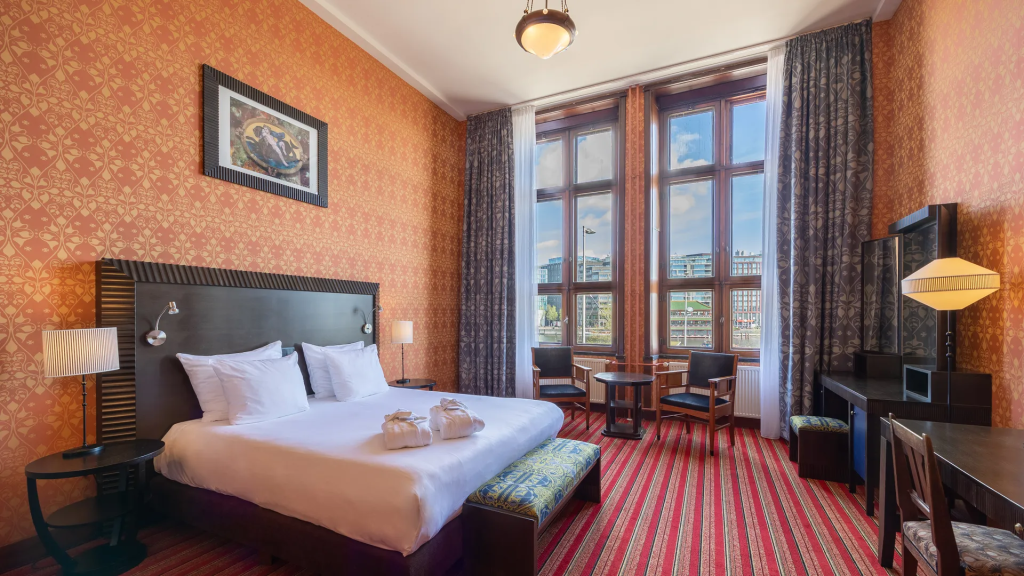
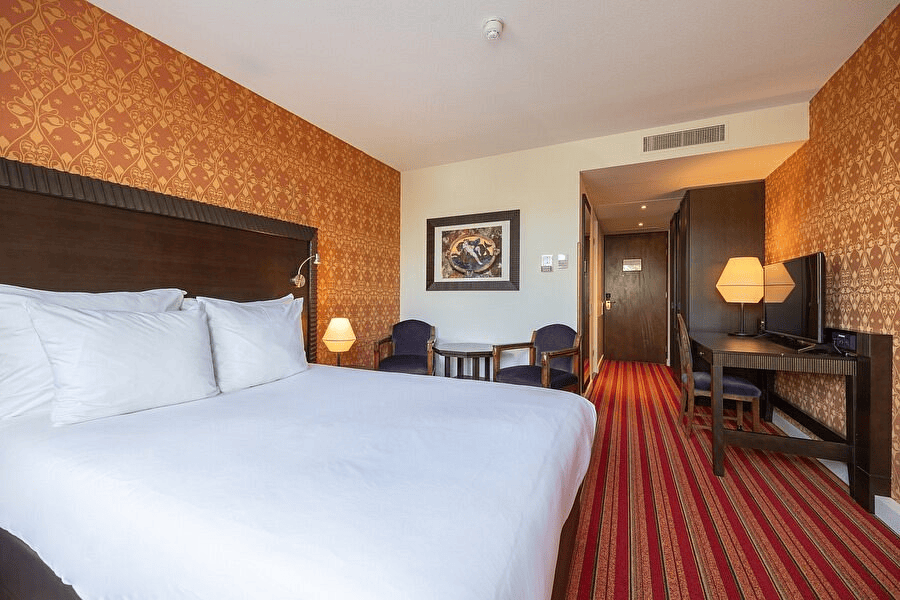
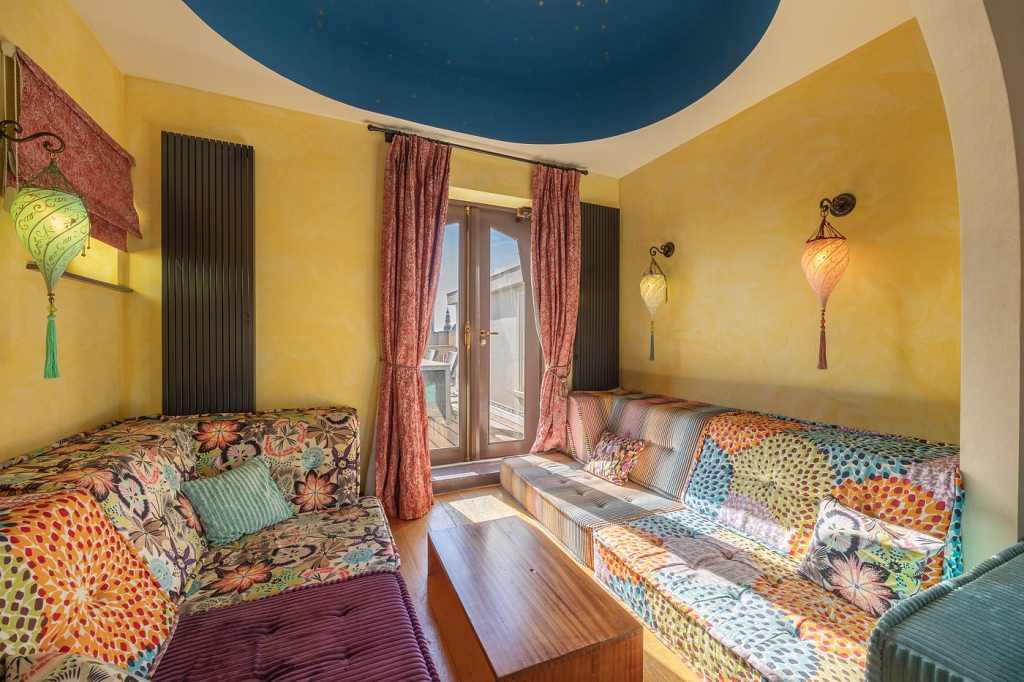
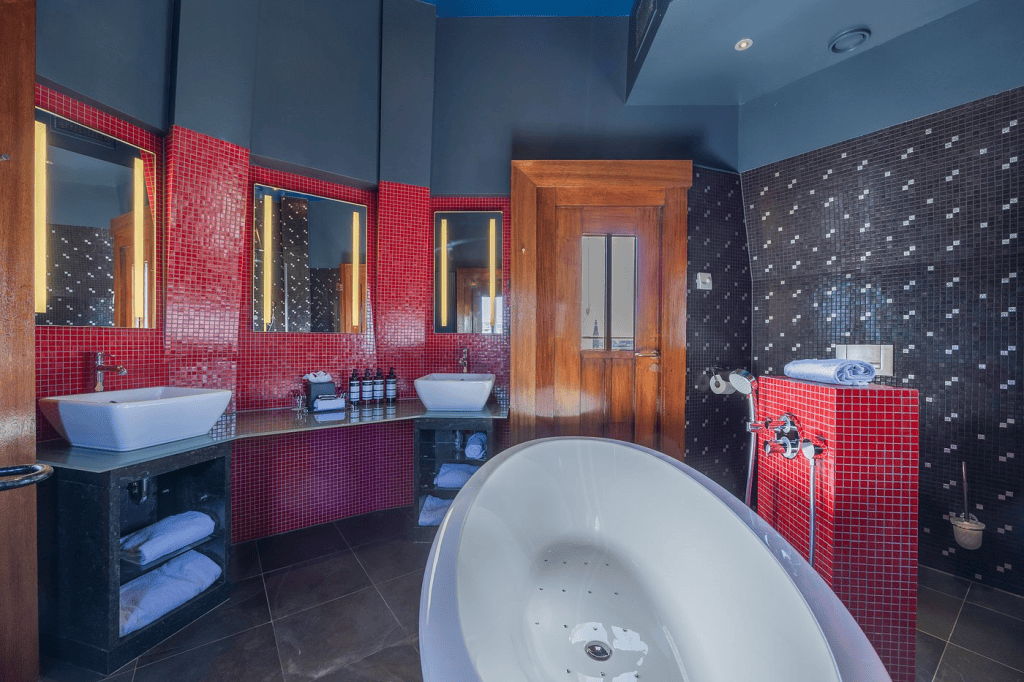
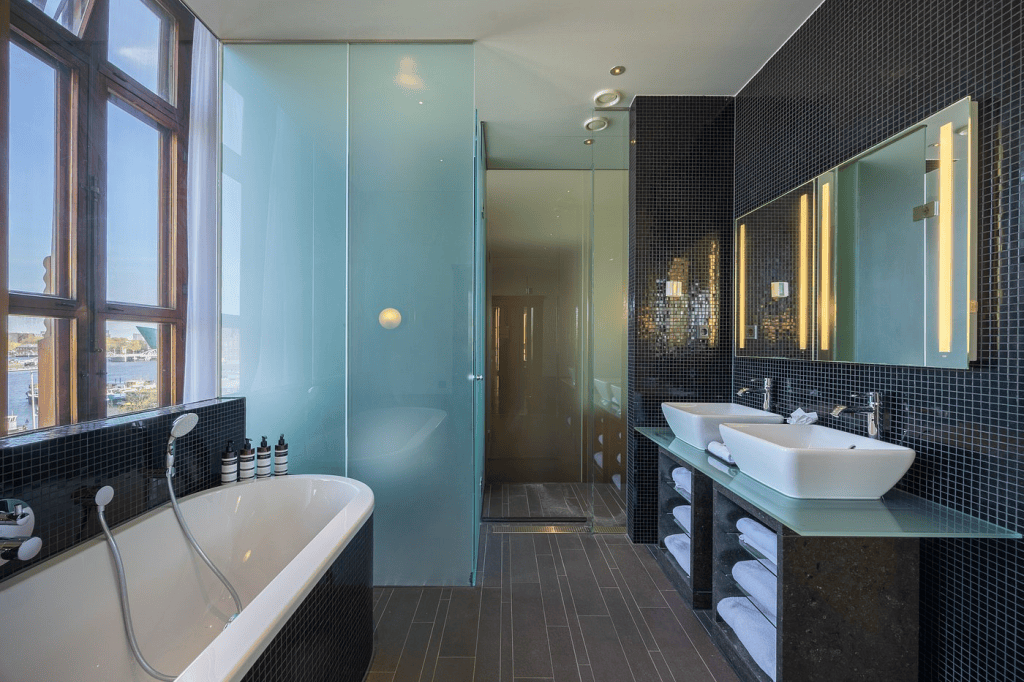
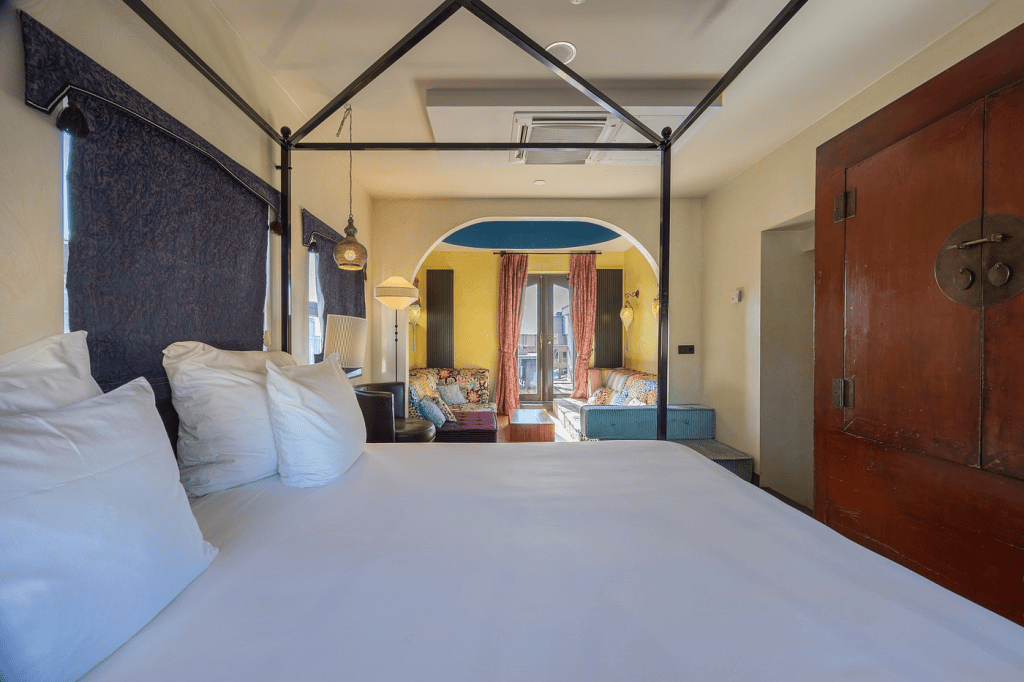
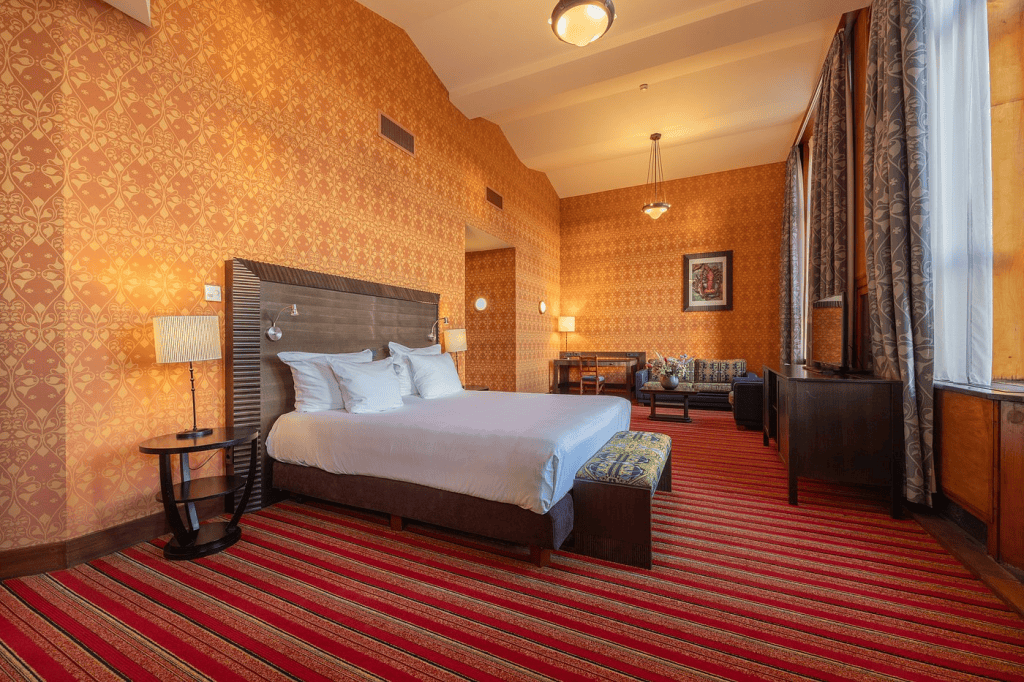
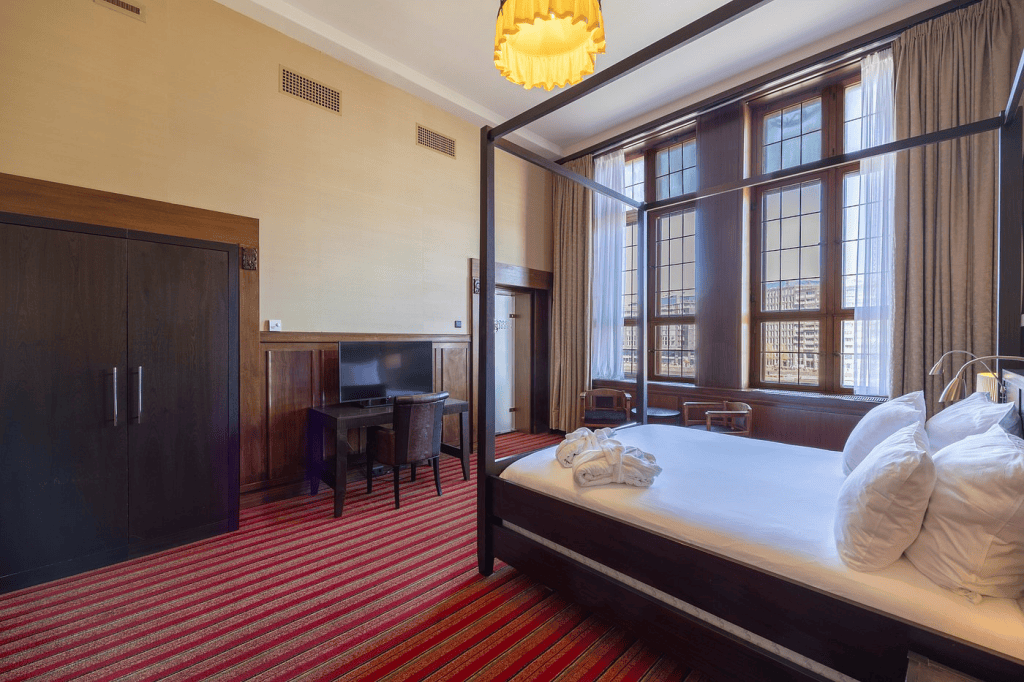
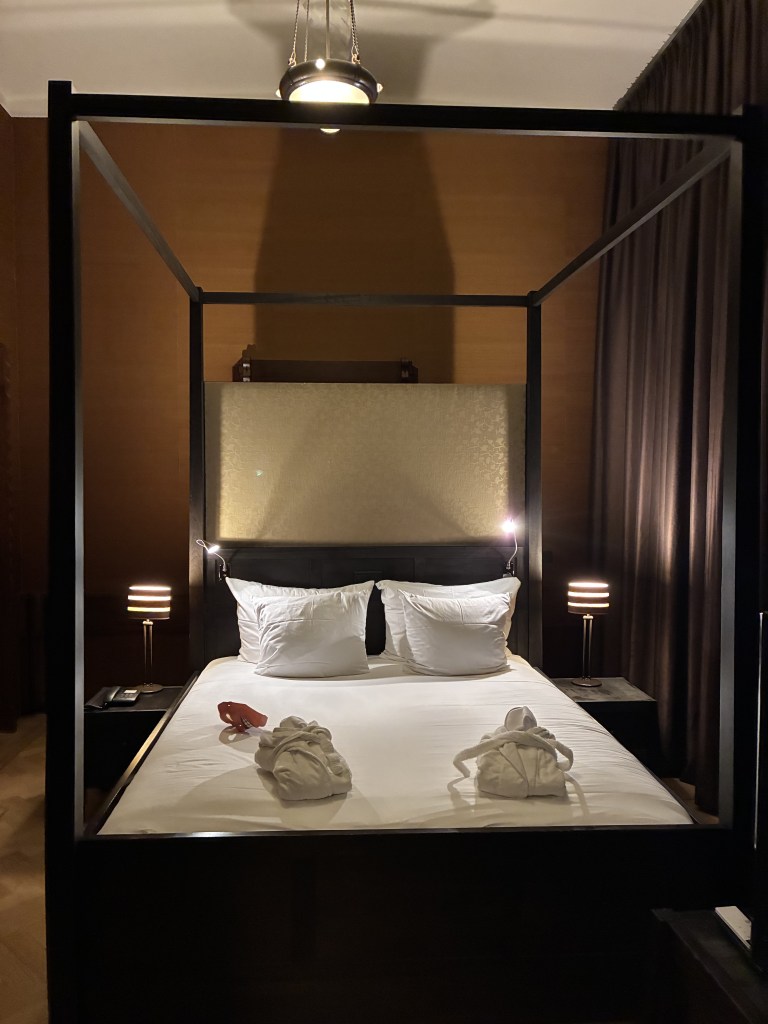
The accommodation ranges from intimate Single Rooms to spacious Deluxe and Superior Deluxe Rooms, with selected categories offering picturesque views over Amsterdam’s canals. Each room combines the building’s historic character with contemporary comfort, featuring elegant interiors, generous proportions and carefully considered details. For those seeking a more expansive stay, the Junior Suites offer additional living space, while the Suites and Executive Suites provide separate bedroom and lounge areas, creating a more residential atmosphere. Particularly distinctive are the Oriental Suite, with its private rooftop terrace and open bathroom, and the impressive three-storey Tower Suite, which offers an exclusive retreat overlooking Amsterdam’s rooftops and waterways. Joeri is refreshingly straightforward about the hotel’s particular aesthetic. ” We tell a story about the history of Amsterdam, and fortunately, many of our guests truly appreciate that.”
Throughout the collection, the interiors retain a sense of the building’s original grandeur, complemented by modern conveniences including complimentary Wi-Fi, a minibar, coffee and tea-making facilities, and luxurious bathroom amenities.
The hotel also welcomes travellers who are exploring several European destinations within a relatively short period. “We welcome guests who are travelling around Europe and may only have a weekend or a few days to explore Amsterdam. They are looking for a unique experience, something memorable during their stay.”
There is a particular pleasure in seeing guests return and discover something new. “The wonderful thing is that even our regular guests sometimes discover details they had never noticed before; the building contains so many beautiful features and references to the past that there is always something new to see. When you combine that with the hospitality for which we are known, you have your answer.”
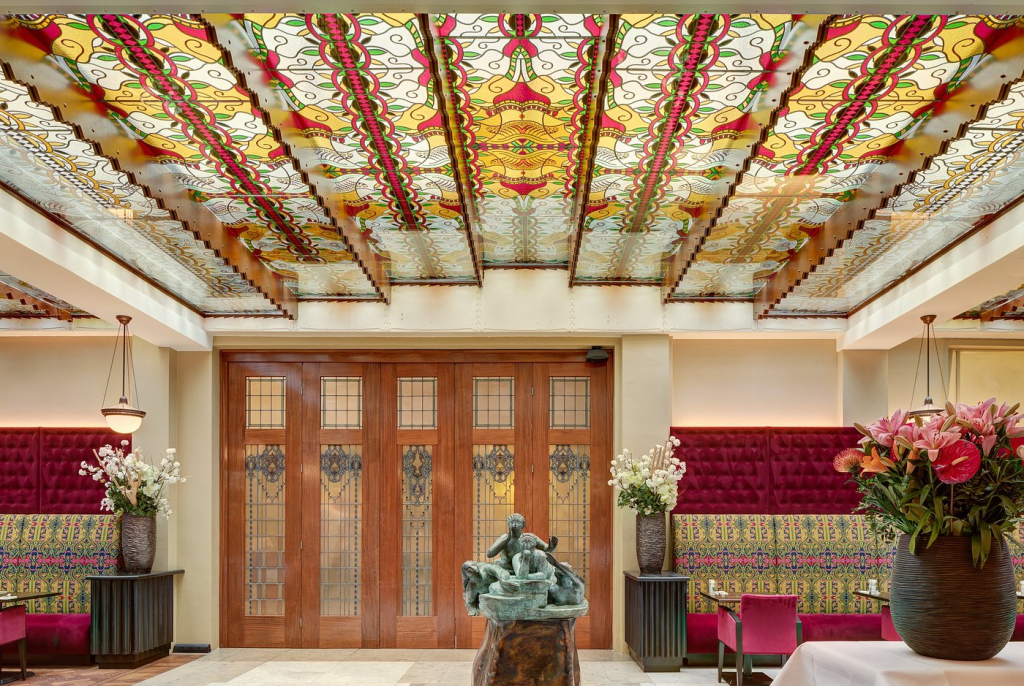
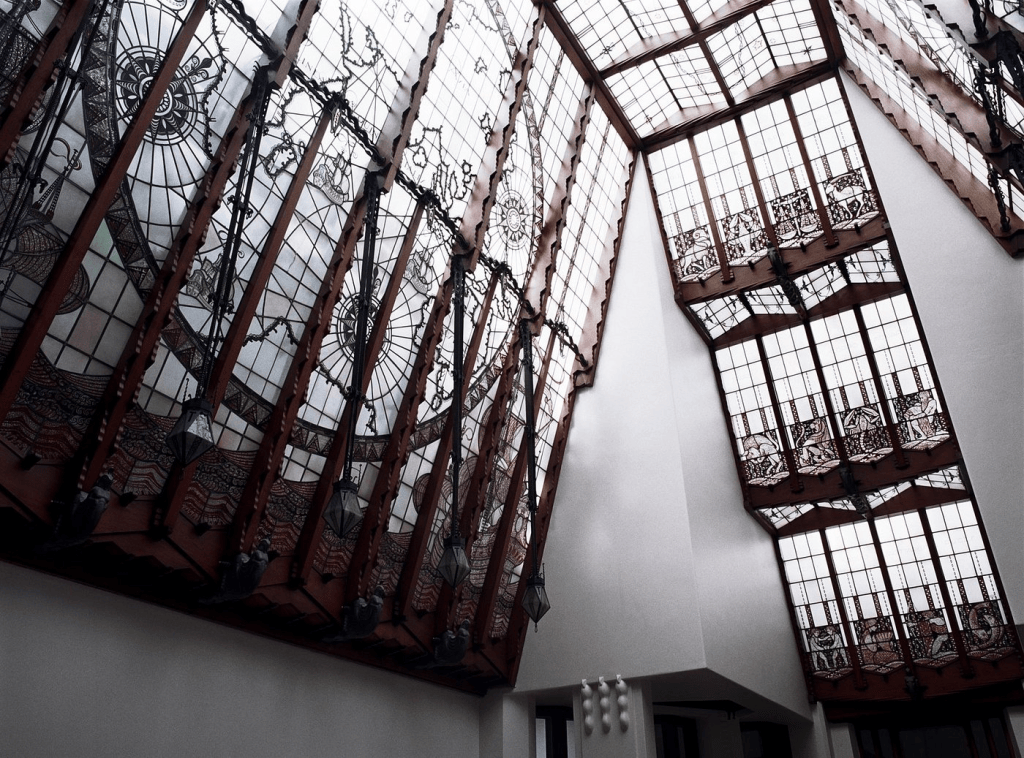
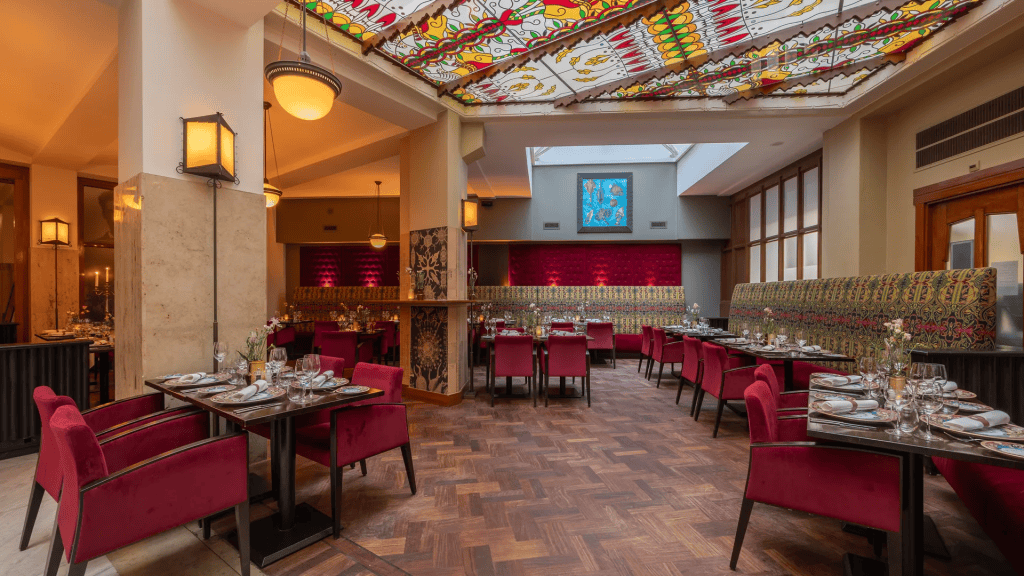
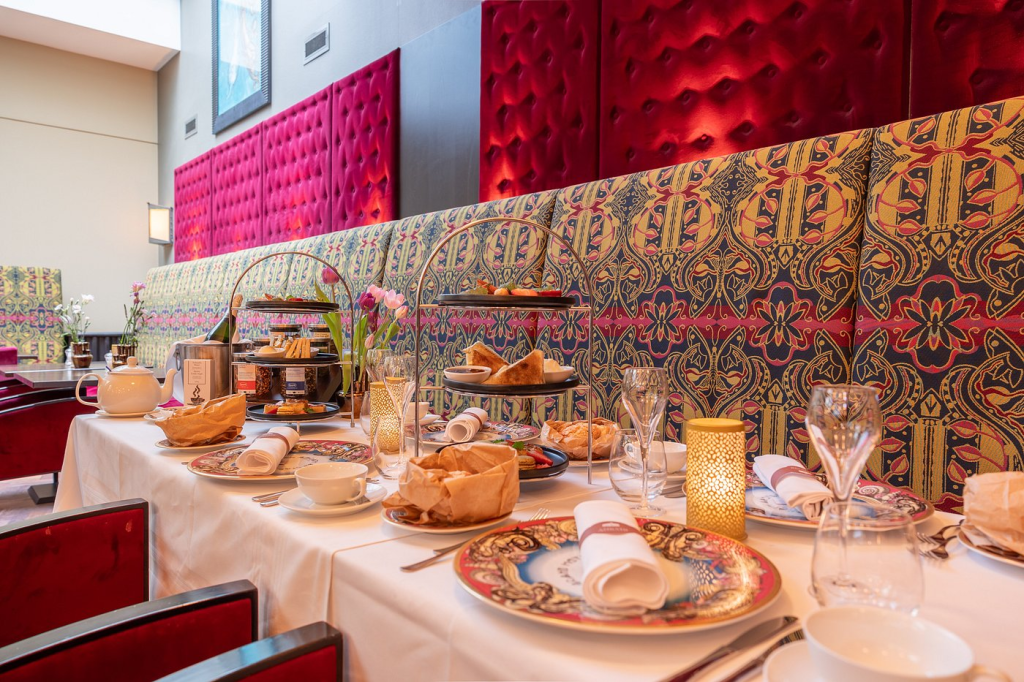
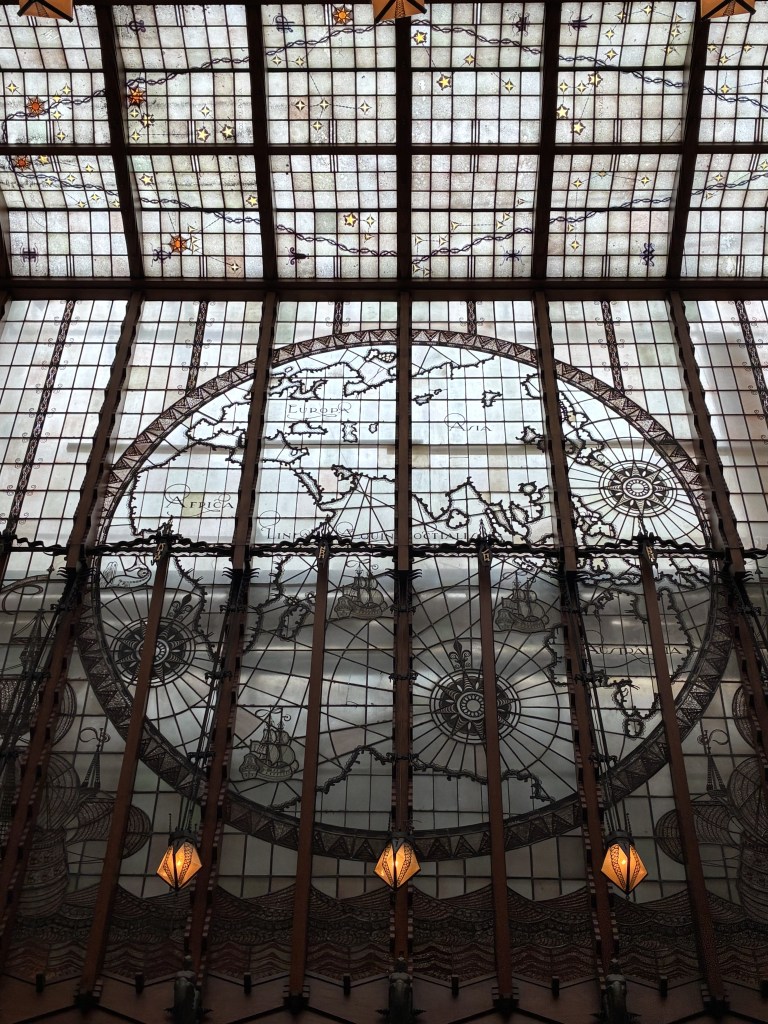
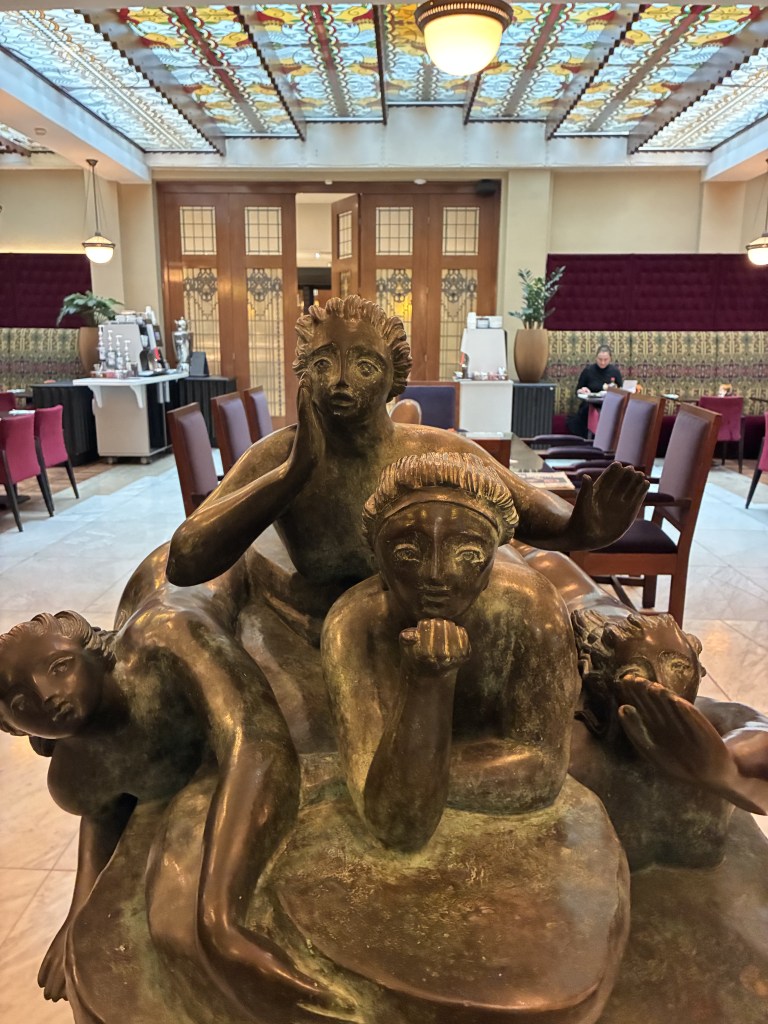
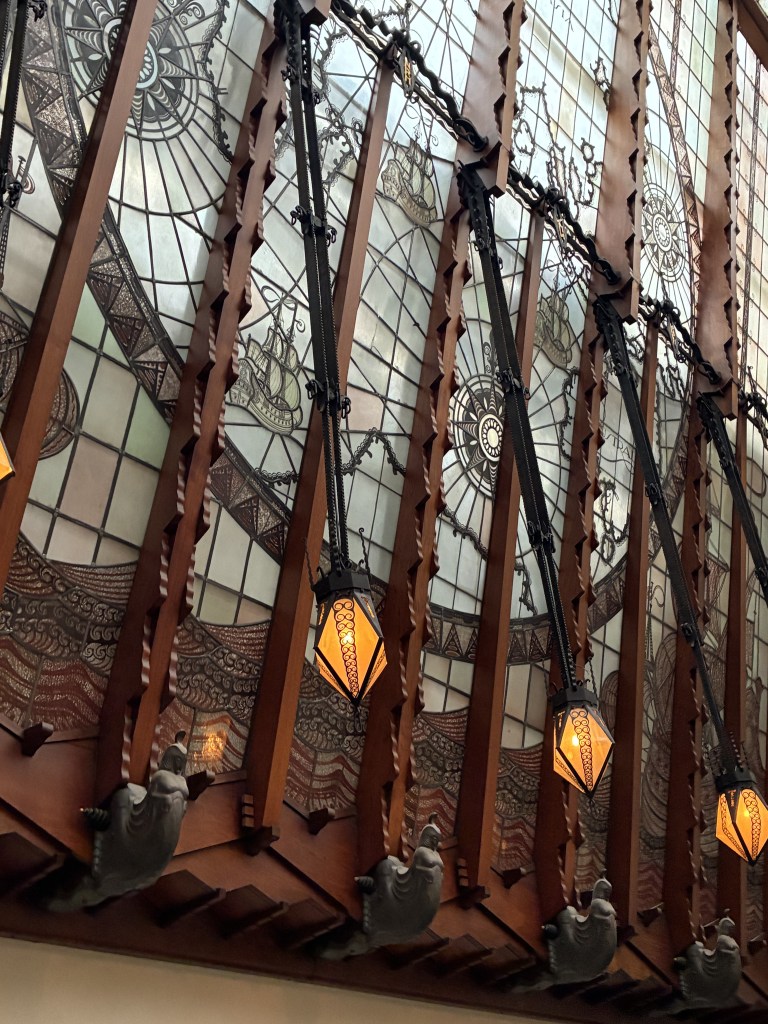
When asked to describe the hotel’s soul, Joeri offers a definition that captures its character beautifully: “A place where you can step into the past, create beautiful memories, and where luxury and art come together.” Be sure to admire the beautiful patterns of the breakfast restaurant’s banquettes and the welcoming sculptures throughout. Then make your way to the top floor, where a spectacular world maps unfolds across the ceiling, rendered in glass carreaux and celebrating the reach and influence of the Dutch Empire. This is far more than a hotel; it is a remarkable historic monument, where every detail tells a story.
Joeri continues: “The character of the building, combined with the way it has been renovated, retaining many authentic details while offering plenty of space, gives you the feeling of stepping back in time, all while enjoying modern-day comforts. At the same time, I must mention the hospitality shown by the staff; they are, after all, the driving force behind the establishment and a major part of the overall experience.”
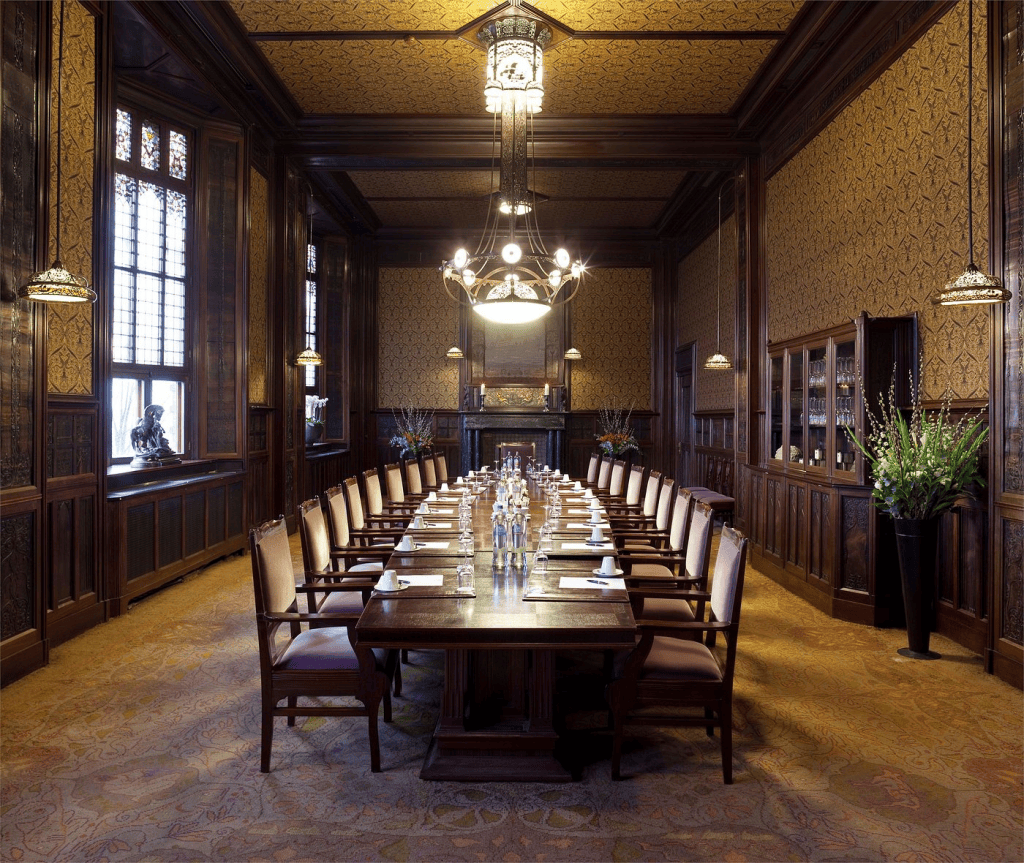
Original details and historically inspired furniture give the accommodation a sense of individuality, while modern amenities ensure that the experience remains comfortable: from the bathroom’s toiletries to the comfort of the rooms. Rather than the standardised aesthetic often associated with international luxury hotels, the interiors retain a strong connection to the building’s original personality. Warm wood, decorative details, books about Amsterdam, rich textiles and carefully selected furnishings create an atmosphere of understated grandeur.
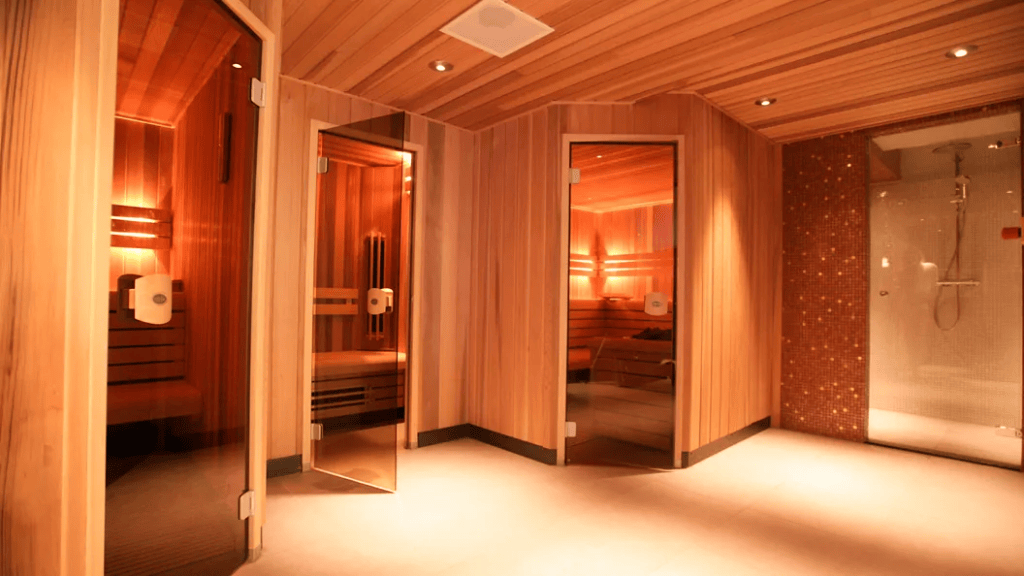
Wellness is another part of the hotel’s offering, and one that Joeri believes has become increasingly important to guests when choosing accommodation. The swimming pool is currently undergoing renovation, following an upgrade to its technical equipment and machinery last summer. The next stage involves replacing the pool tiles, meaning the pool will soon reopen. The remaining wellness facilities, however, continue to welcome guests.
“Wellness is certainly an added value for a hotel, and it is something that guests increasingly appreciate when choosing where to stay,” he says. “We have three saunas, as well as fitness facilities and a steam bath, so guests can still enjoy a relaxing wellness experience during their stay.”
Fresh flowers throughout the hotel add a lovely sense of life and elegance, while the restaurant ceiling is a highlight in its own right, deserving a moment of admiration. Breakfast is equally impressive, with an extensive selection of pastries, including doughnuts and pastéis de nata, alongside savoury options such as smoked salmon and charcuterie. Tea lovers will appreciate the excellent selection, while the coffee is equally good. Eggs can be ordered à la carte, and the entire experience is elevated by attentive, highly professional service that makes for a particularly pleasant start to the day.
For anyone interested in interiors and decorative arts, it is worth taking time to look beyond the obvious and notice the relationship between the original architecture and the furniture, lighting and textiles introduced during the restoration. Joeri also recommends asking the concierge for the booklet The House with the Golden Windows. For those who want to explore the building’s history in greater depth, a book by the hotel’s curator, Louise de Blécourt, about the Scheepvaarthuis is available to purchase.
Location is another of the hotel’s considerable advantages. Situated just off the busiest tourist routes, it offers a peaceful base while remaining within easy reach of the city’s principal cultural attractions. For guests arriving by air, Joeri recommends taking the train. “Assuming many guests arrive in Amsterdam by Schiphol Airport, we always recommend taking the train from Schiphol Airport to Amsterdam Central Station. From there, it is a six-minute walk. While you could take a taxi from the airport, it is not necessarily any faster.” For those arriving by car, he adds: “Our hotel can be reached within a maximum of ten minutes once you are on the A10 Amsterdam ring road. We have our own parking garage, which operates exclusively via a valet parking service.”
For art lovers, the nearby National Maritime Museum offers another perspective on the history that originally gave the Scheepvaarthuis its purpose. NEMO Science Museum and the historic former Jewish Quarter are also within easy reach. “Amsterdam boasts a wide variety of wonderful museums, I would recommend the perhaps lesser-known Ons’ Lieve Heer op Solder.” For a different kind of cultural experience, he suggests catching a film at the Eye Filmmuseum or attending a performance at the Bimhuis or Concertgebouw. “A walking tour of Amsterdam is another great way to see so much; you could stroll through the Jordaan or De Pijp, or explore the historic canal district. It all comes down to where your interests lie and how much time you have.” Beyond its permanent cultural institutions, Amsterdam has a lively programme of festivals and events throughout the year. “Amsterdam has something happening throughout the year. There is always a reason to visit, whatever the season.” He points to Amsterdam Dance Event as one of the city’s major international occasions, followed by the Amsterdam Light Festival towards the end of November. The latter brings light installations into the urban landscape, offering another way to experience the city’s architecture and canals. “There is such a wonderful cultural offering in Amsterdam, with so many museums, galleries and exhibitions to discover. It is one of the things that makes the city so special for international visitors.”
July and August are generally a little quieter, while September, October and November are also busy months. December brings a different atmosphere: “The beginning of the month is usually relatively quiet, but as Christmas approaches, occupancy increases considerably, often reaching almost 100% through to the first week of January. After that, we enter the low season. Every season has something different to offer in Amsterdam. That is one of the wonderful things about the city: there is always something to discover, whatever time of year you decide to visit.”
The hotel’s own history and architecture have also made it a sought-after setting for the creative industries. Its monumental staircases, elaborate decorative details and extraordinary interiors provide a naturally theatrical backdrop for fashion and film productions. This fantastic hotel has welcomed a wide range of creative projects over the years.
“Grand Hotel Amrâth Amsterdam is a well-known location for film and photo shoots. Various fashion brands have held seasonal shoots here, and renowned DJs and artists have filmed music videos on the premises. Furthermore, many prominent Dutch films, series, and documentaries have used our venue for their productions. Fashion magazines also frequently seek us out.”
The hotel receives several requests every week, although it is selective about the projects it accepts. Its relationship with the creative community also extends beyond commercial productions and welcomes LGBTQI+ tourists. “Last summer we made a public space available for the ‘Pride Art Route,’ showcasing works by local artists that were themed around WorldPride Amsterdam 2026.” The hotel is also an official wedding venue, making it an especially atmospheric address for those looking to celebrate within one of Amsterdam’s most remarkable architectural landmarks.
Maintaining a building of such architectural importance inevitably brings particular responsibilities. Sustainability is an especially interesting consideration in a historic monument, where conservation must take priority without compromising the comfort of guests. “Grand Hotel Amrâth Amsterdam has a Green Key Gold certification for many years, a notable achievement, considering the building dates back to 1915–1916,”. The historic status of the property also determines the way it is heated and cooled. “Due to its status as a historic monument, the property is not equipped with air conditioning; this is because the extensive woodwork throughout the building would react and shift with temperature fluctuations.” Instead, the hotel uses a climate-control system that consumes significantly less energy, supported in part by its own geothermal source for heat storage. “Furthermore, guests have the option to choose a ‘Green Stay,’ and we prioritise sourcing local ingredients to minimise the distance from producer to hotel.”
Running a hotel of this scale and historical significance also means navigating the wider challenges facing the hospitality industry. “In the hospitality sector, never a dull moment. There are various external factors that significantly impact business operations; factors to which we must respond quickly. And every challenge requires a unique solution.”
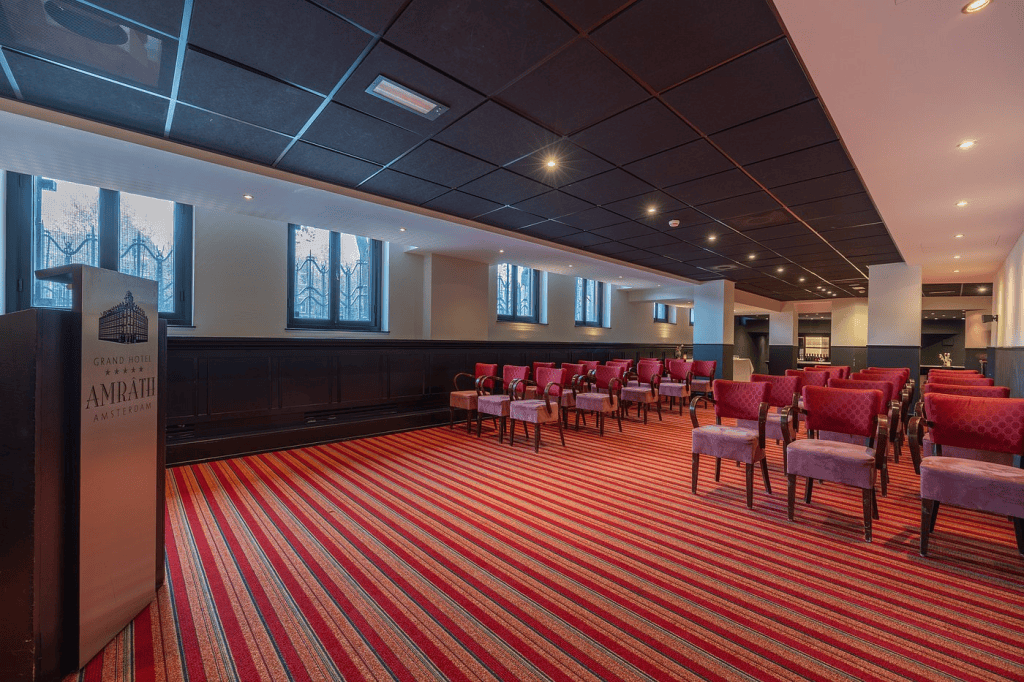
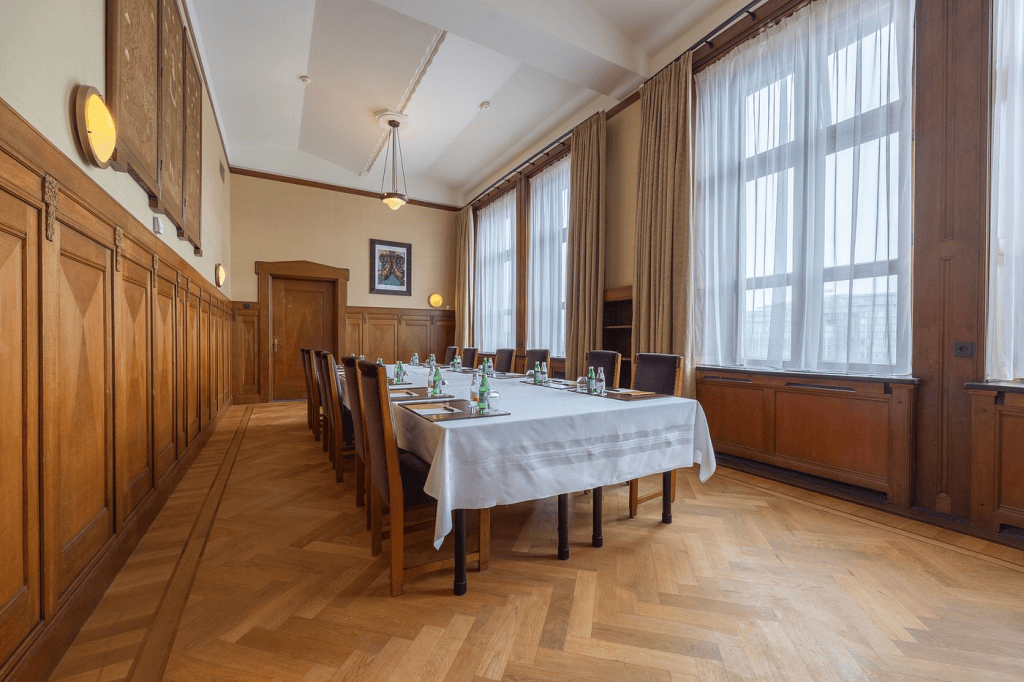
Beyond its role as a hotel, the Grand Hotel Amrâth Amsterdam also offers an exceptional setting for meetings, private events and celebrations. With the added convenience of its own parking garage, the property provides a distinctive backdrop for gatherings of all kinds. Its nine multifunctional meeting rooms can accommodate up to 250 guests, with tailor-made packages available, including business lunches and dinners.
For visitors hoping to discover a more intimate side of Amsterdam, Joeri’s personal recommendations are particularly appealing. “If you truly want to immerse yourself in a lesser-known side of Amsterdam, while still experiencing the authentic city, I highly recommend a jenever tasting at Proeflokaal Van Wees.”
He also suggests taking the ferry from behind Central Station towards KNSM Island, an excursion that reveals a different side of the city and its architecture. Another favourite is In ‘t Aepjen, which he describes as “arguably the oldest bar in the city”. And for something rather different, he recommends the modern virtual reality museum directly across from the hotel, which offers visitors a glimpse into what life was like in Amsterdam in the sixteenth century.
Today, thanks to its transformation into Grand Hotel Amrâth Amsterdam, that legacy remains very much alive. The golden windows still illuminate the city, the sculptures continue to tell their maritime stories, and the interiors preserve the vision of the artists and architects who created them more than a century ago.
To stay at the Grand Hotel Amrâth Amsterdam is to inhabit an oeuvre d’art totale, a true Gesamtkunstwerk in which architecture, sculpture, ornament and craftsmanship come together as one extraordinary artistic vision. The former Scheepvaarthuis is far more than an architectural landmark; it is an immersive work of art, where every element, from the intricate ironwork and carved wood to the stonework, decorative details and sculptural compositions, contributes to a remarkably coherent whole.
–


–
With huge thank you to Joeri Nuijten and Britt Korff.

