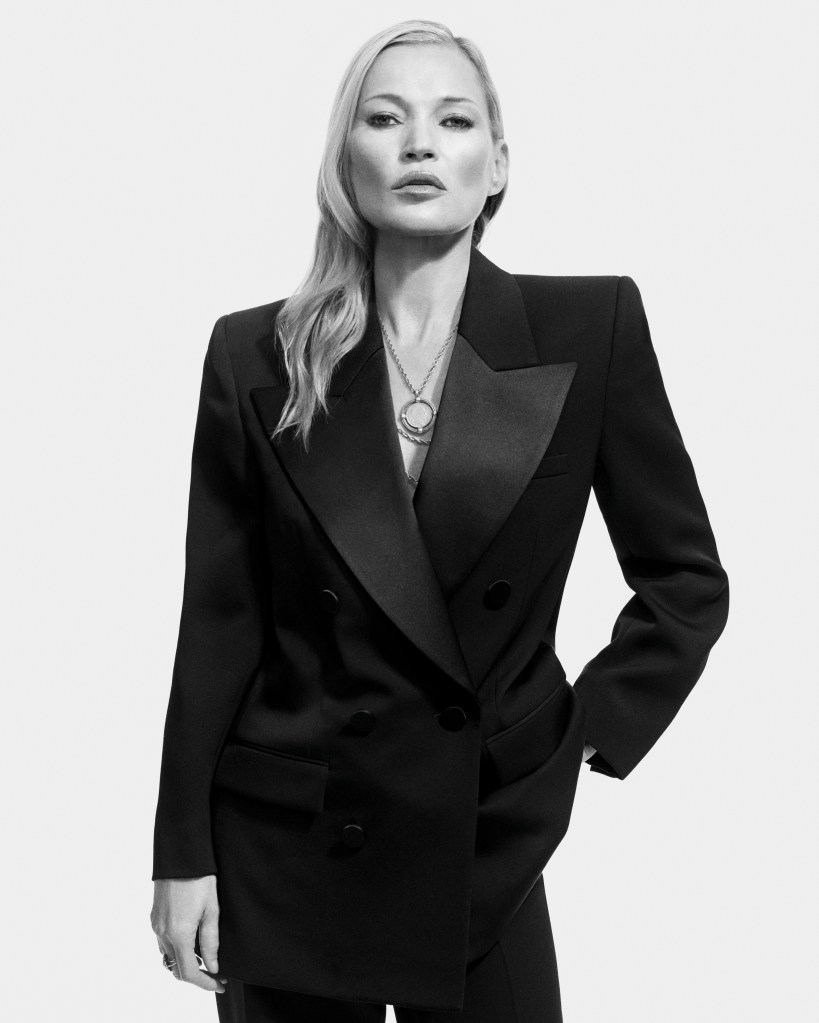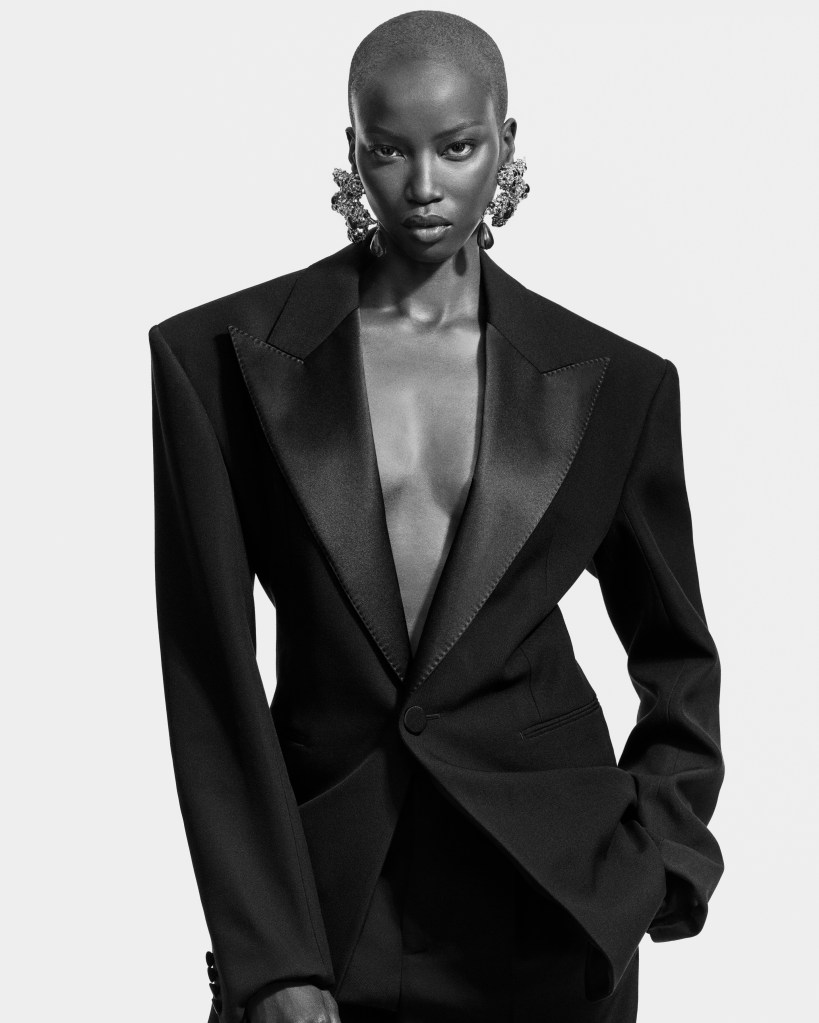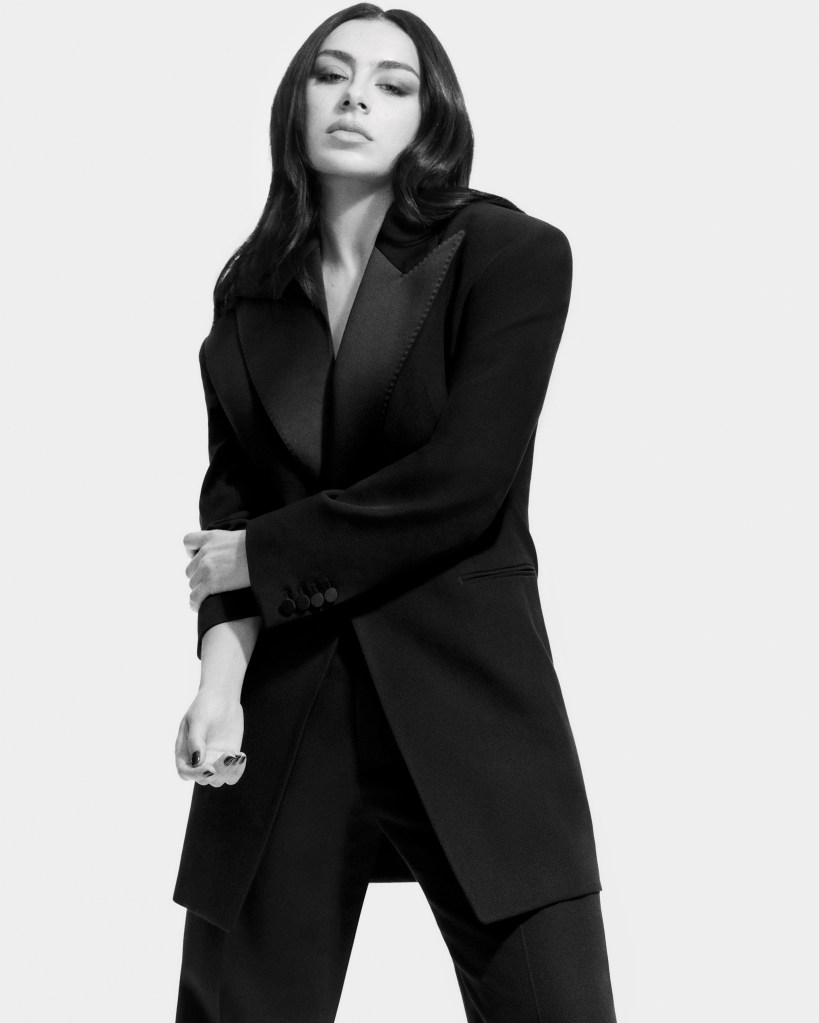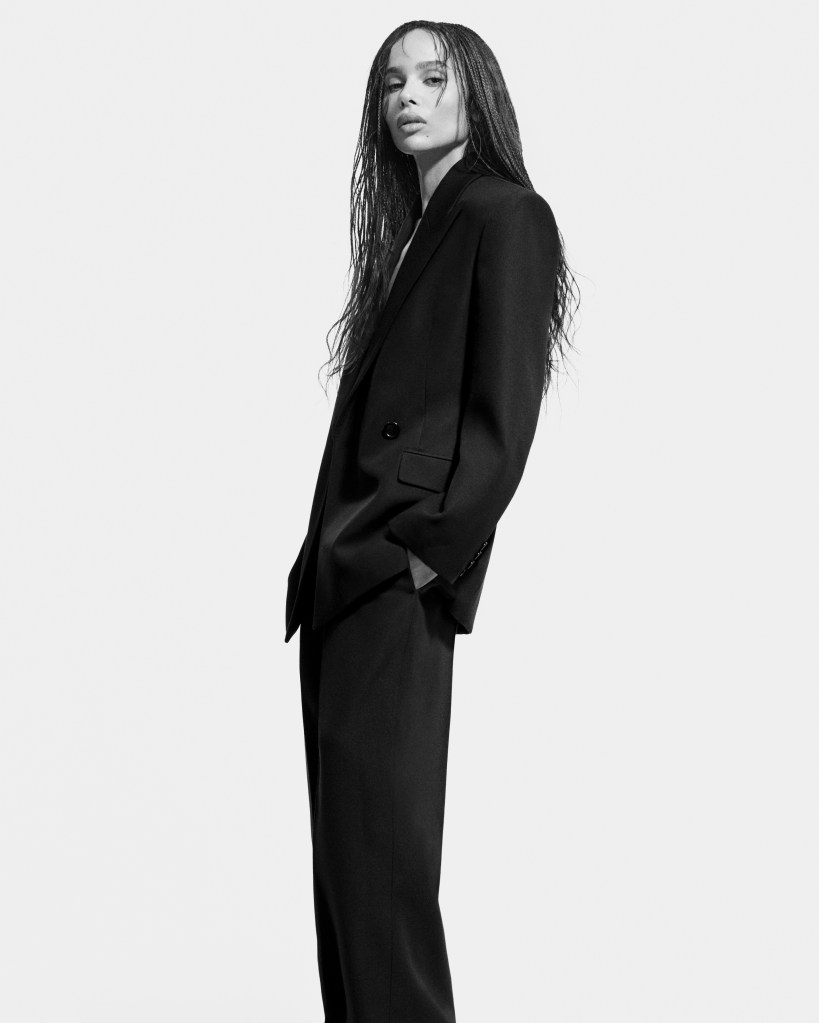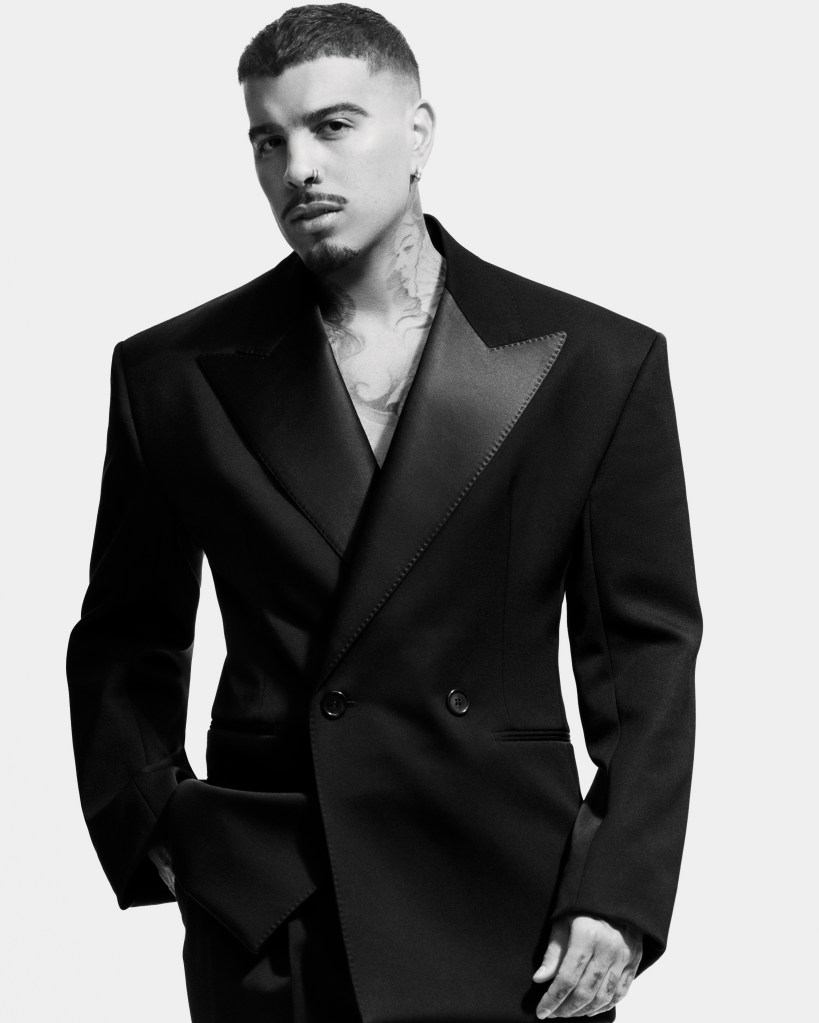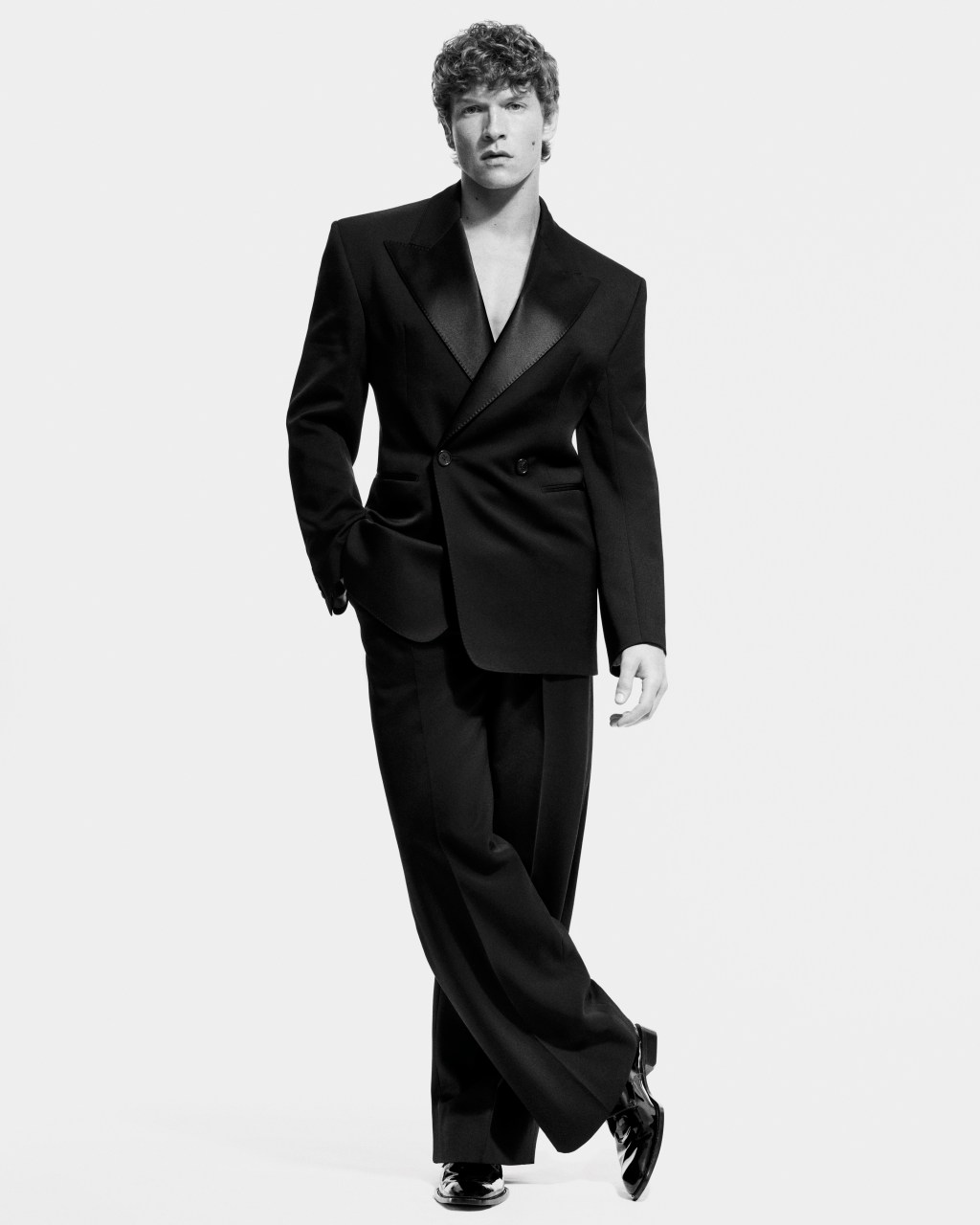
Sixty years after Yves Saint Laurent first introduced Le Smoking, the tuxedo remains one of fashion’s most enduring statements of independence, elegance and rebellion. What began as a radical challenge to convention in 1966 has become an icon, continuing to shape the language of modern dressing and the identity of the House of Saint Laurent.
More than a suit, Le Smoking represented a fundamental shift in the way women could express themselves. By appropriating the codes of traditionally masculine tailoring, Yves Saint Laurent created a new vision of femininity: confident, sensual and unapologetically independent. Its precise construction, sharp silhouette and tension between masculine and feminine established a new kind of elegance, one that was both timeless and provocative.
To mark the anniversary, the House is announcing an important return to its French roots. From 2027, production of Le Smoking will move back to France, within Saint Laurent’s own ateliers. The decision reinforces the brand’s commitment to French craftsmanship and the preservation of the exceptional savoir-faire that has long defined its identity.
At the Atelier de Confection Saint Laurent, where the House’s ready-to-wear collections have been crafted for decades, the iconic tuxedo will once again be produced according to the traditions of French tailoring, for both women and men. From the architecture of the silhouette and precision of the cut to the meticulous hand-finishing, each detail reflects the enduring importance of craftsmanship.
The anniversary is also celebrated through a Winter 2026 campaign photographed by Mark Kean. Bringing together an international cast of artists, models and cultural figures, the portraits explore the many individual expressions of the Saint Laurent spirit. The line-up includes Charlotte Gainsbourg, Kate Moss, Zoë Kravitz, Anok Yai, Anja Rubik, Charli XCX, ROSÉ, Frankie Rayder and Loli Bahia, alongside Rauw Alejandro, Connor Storrie, CORTIS members James and Martin, Chen Zheyuan and Kento Yamazaki.
Le Smoking remains a living symbol of the freedom to define one’s own identity, proving that true style is not bound by convention or time. For Saint Laurent, it is not simply a legacy to be celebrated, but an essential part of its present and its future.
–