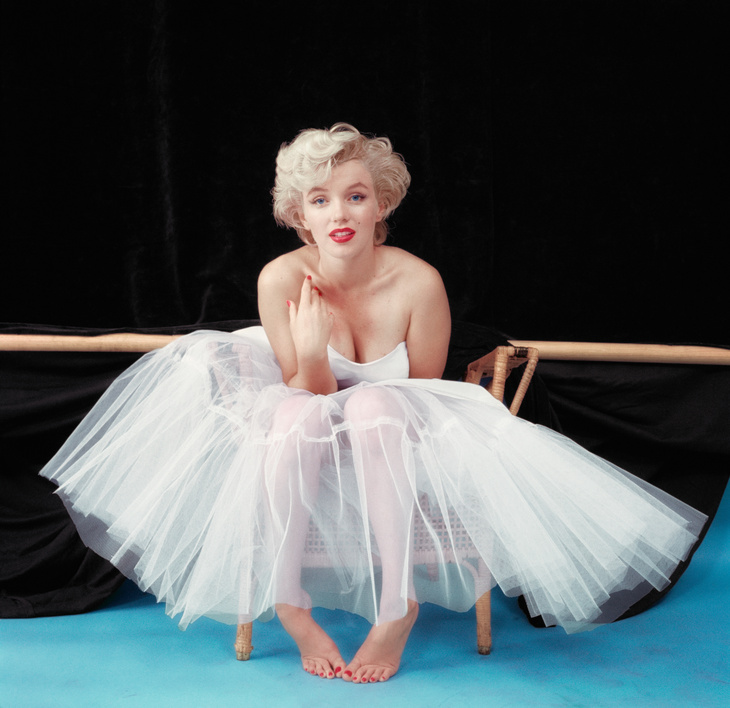
A century after her birth, Marilyn Monroe remains the embodiment of the modern icon. She continually moved between a carefully constructed public persona and the private worlds she sought to create for herself. Alongside her lasting presence in cinema, photography, and art, recent attention to her final home and the life she envisioned there offers a more intimate counter-narrative, one that reveals Monroe as actively shaping domestic space and personal meaning, even as her public image solidified into enduring myth.
This tension is echoed in Marilyn Monroe: A Portrait at the National Portrait Gallery (4 June–6 September 2026), in London, which brings together candid off-screen photographs, portraits by figures such as Cecil Beaton and Richard Avedon, and artworks she later inspired, including Andy Warhol and Pauline Boty.
The exhibition explores Monroe’s agency within image-making itself: she posed, directed, and edited her representation, vetoing photographs she rejected and actively shaping the visual mythology that came to define her.
One of the most anticipated exhibitions in London this year, the National Portrait Gallery’s Marilyn Monroe: A Portrait arrives as a major cultural moment for 2026.
Image: © MHG Collective, LLC.

