Pace Gallery has announced its global representation of the Estate of Constantin Brancusi, marking one of the most significant estate partnerships in the international art world this year. The gallery already represents the estates of artists including Alexander Calder, Mark Rothko, Agnes Martin, and Jean Dubuffet. Brancusi’s addition to that roster is particularly notable given his foundational role in the development of modern sculpture.
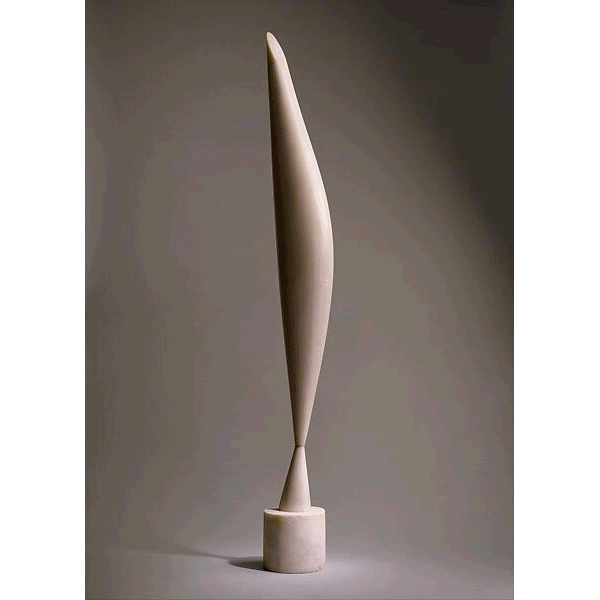
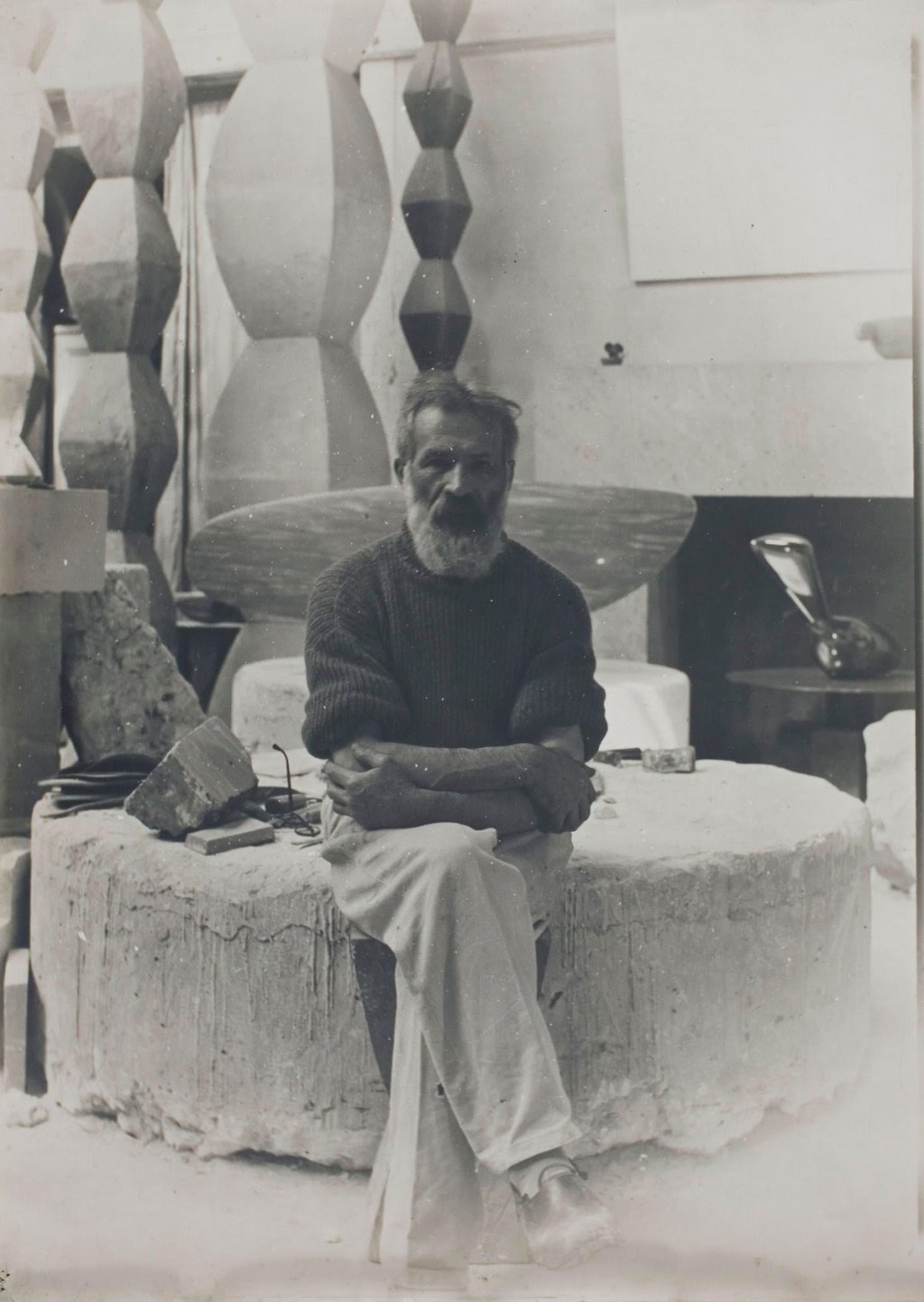
Widely regarded as one of the most influential artists of the twentieth century, Brancusi transformed sculpture through a radical simplification of form. Born in Romania in 1876 and later based in Paris, he rejected the highly expressive and figurative traditions associated with artists such as Auguste Rodin, instead developing a visual language centered on abstraction, materiality, and essential form. Works including Bird in Space, Sleeping Muse, and The Endless Column became defining examples of early modernism and continue to influence contemporary sculpture today.
The announcement comes at a moment of renewed institutional and market attention around the artist. Brancusi’s work has seen strong museum visibility internationally, while his market has reached new levels in recent years. Earlier this season, his sculpture Danaïde sold for more than $100 million at auction, underlining the continued demand for rare museum-quality works by the artist. Did you see the Christie’s advert featuring Nicole Kidman?
Pace has confirmed that its first major project dedicated to Brancusi will open in London this autumn. Curated by Jérôme Neutres, the exhibition will focus on the creative environment of early twentieth-century Paris, situating Brancusi within the wider avant-garde movements that transformed European art during that period.
The representation is also significant from an art historical perspective. Brancusi occupies a central place in the evolution of abstraction and modern sculpture, influencing generations of artists across Minimalism, Conceptual Art, and contemporary sculpture practices. His emphasis on purity of form and direct engagement with materials fundamentally changed the language of sculpture in the twentieth century.
For Pace, the partnership strengthens its institutional profile and long-term strategy around artist estates and historical programming. For the Brancusi Estate, the collaboration provides a global platform capable of expanding scholarly research, exhibitions, and public engagement around one of modern art’s most important figures.
–