From Chicago to Paris and London, Pitchfork has grown into one of the defining platforms for independent music. Now part of Condé Nast, the media company behind some of the world’s most established cultural titles, Pitchfork has retained its instinct for discovering artists beyond the mainstream. Its sixth London edition, taking place from 2 to 8 November 2026, was a reminder of precisely that.
The story began in Chicago in 2006, when Pitchfork launched its own music festival at Union Park. What started as a celebration of independent music quickly developed into an important meeting point for alternative rock, electronic music, hip-hop and experimental sounds. Paris followed in 2011 (and the Paris edition just took place in November too), extending the festival’s reach across the Atlantic, while London joined the international programme in 2021. Each edition has maintained the same essential philosophy: bringing together established musicians, underground favourites and emerging artists.
For its 2026 London edition, the organisers once again opted for a city-wide format, taking over independent venues across the capital for seven days of performances. The programme was particularly ambitious, with Australian electronic pioneers The Avalanches, experimental rock legends Tortoise, American rapper Noname, pianist and composer Hania Rani, electronic producer Actress, The Radio Dept. and Olof Dreijer among the headline names. A special collaboration between Panda Bear and Sonic Boom, alongside The Avalanches at the Roundhouse, was another major attraction, while Drain Gang associate Thaiboy Digital brought his distinctive sound to Village Underground.
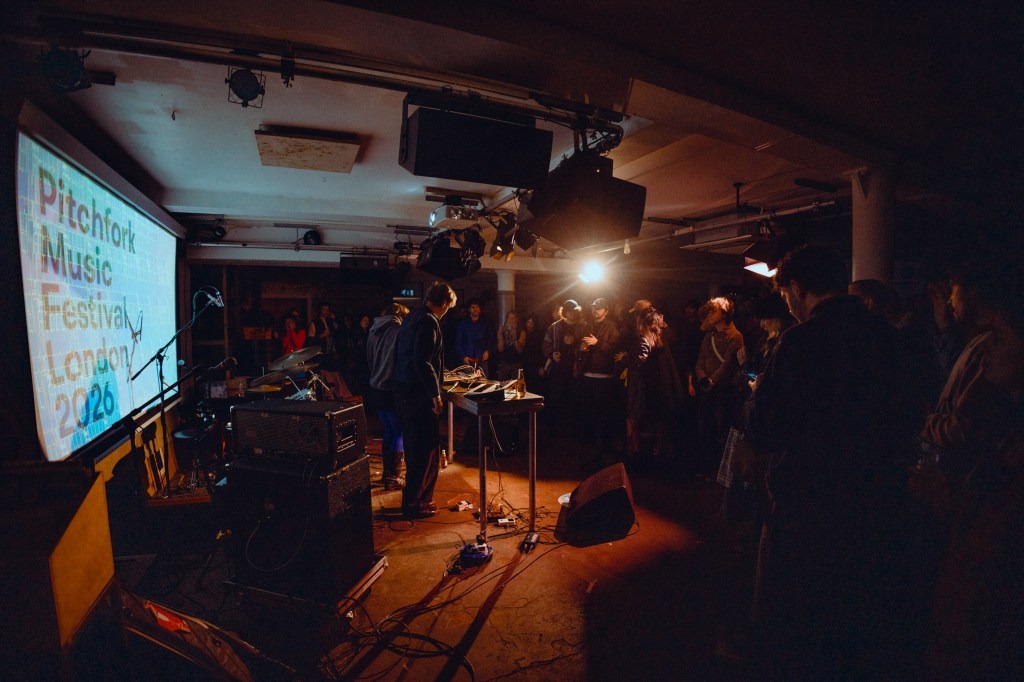
There is also a distinctive visual language to Pitchfork’s presentation that deserves attention. Behind each performing artist, striking, carefully designed moving images fill the screens, accompanied simply by the artist’s name. No elaborate graphics or unnecessary information: just compelling visuals, movement and typography. The result is instantly recognisable, contemporary and remarkably effective, giving each performance its own visual identity while maintaining a coherent aesthetic throughout the festival. Another great dimension to the live experience!
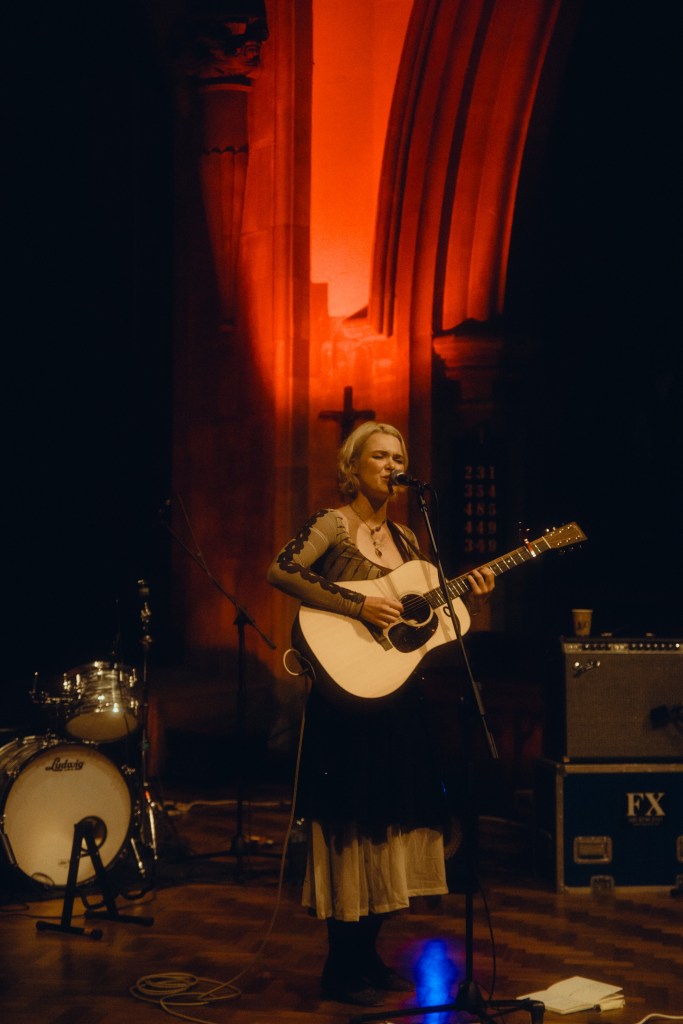
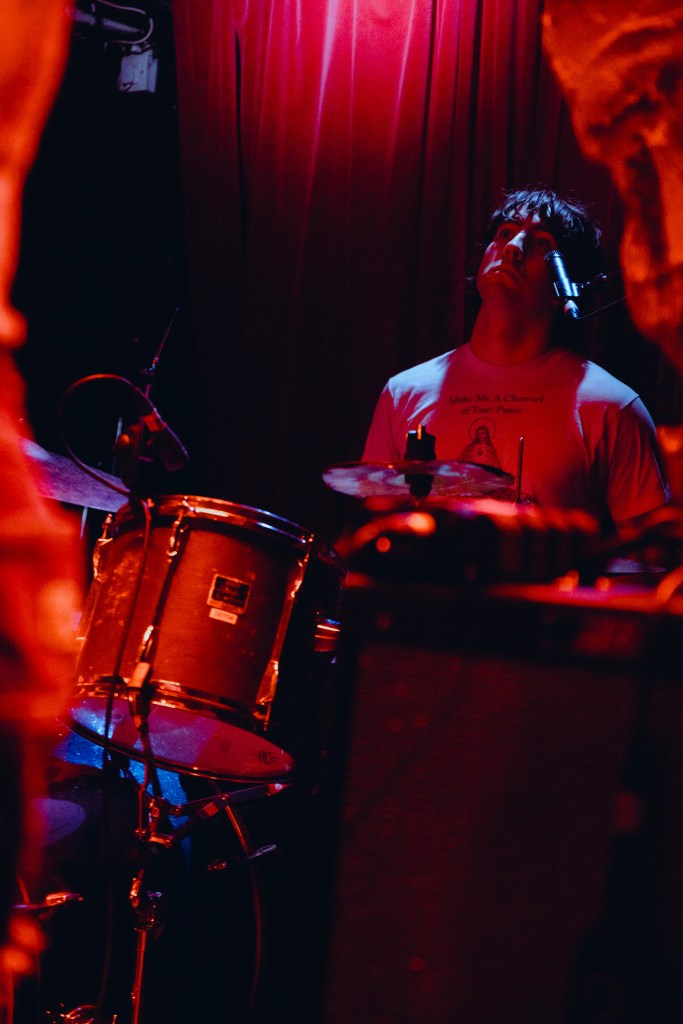
Yet Saturday 7 November was arguably one of the week’s highlights. The Dalston Takeover turned the heart of East London into a sprawling celebration of independent music, with six venues: EartH Hall, EartH Theatre, Café OTO, The Shacklewell Arms, The Victoria and St Matthias Church, hosting more than 20 artists. The format encouraged audiences to move between spaces, follow their curiosity and discover performers they might otherwise have missed. It was a refreshing alternative to the increasingly predictable experience of large-scale festivals.
The line-up was impressive, with DIIV, Mandy, Indiana, Psychedelic Porn Crumpets and Working Men’s Club among the leading acts, alongside an eclectic selection of emerging and underground names including Maria BC, Midwife, Freak Slug, Robber Robber, Hiding Places, Sarah Meth, lots of hands and ideasforconversations.
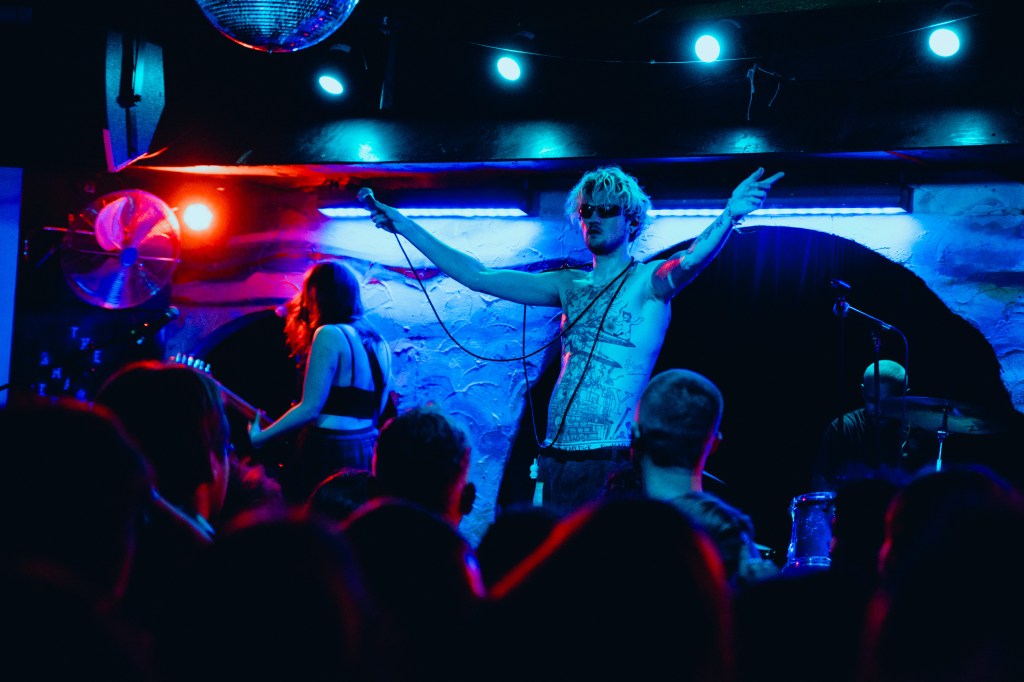
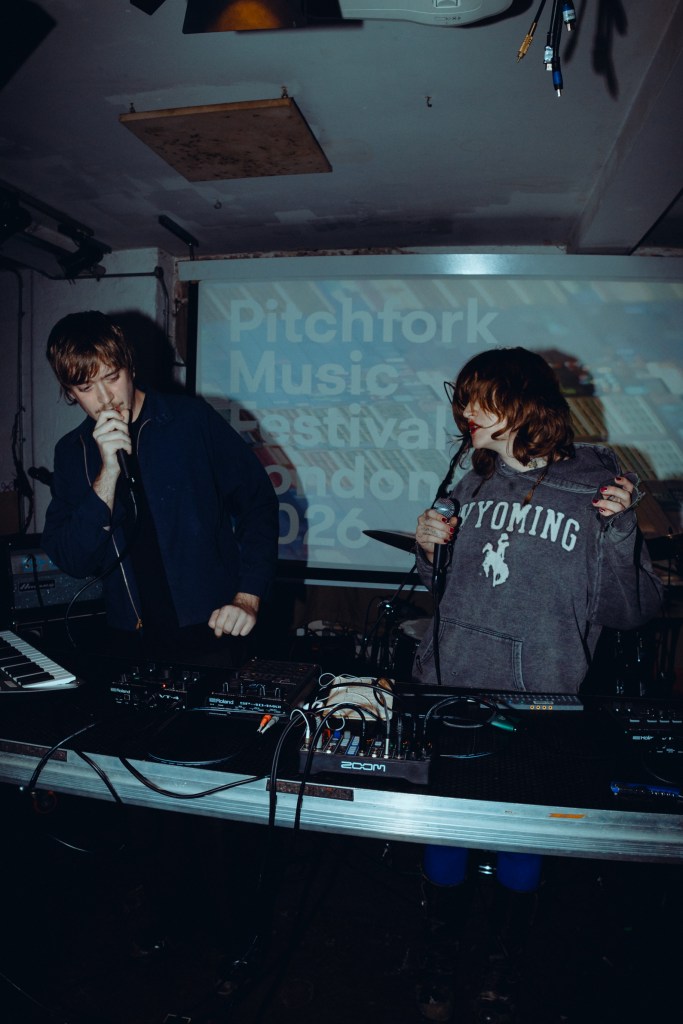
One of the evening’s early highlights came at the ever-experimental Café OTO, where ideasforconversations delivered a particularly energetic performance. The duo’s electric combination of vocals and experimental electronics quickly transformed the intimate venue into a dance floor. Their sound was wonderfully immediate, with the audience responding enthusiastically. It was a perfect example of the kind of discovery that makes Pitchfork’s programming so compelling.
At the spectacular EartH Theatre, Manchester’s Freak Slug brought an entirely different energy. Raw, distorted and unapologetically alternative, their guitar-driven sound evoked the spirit of 1990s grunge, with unmistakable echoes of Hole and Sonic Youth. There was a pleasing sense of rebellion to the performance, balancing a familiar alternative-rock vocabulary with a contemporary attitude. Loud, compelling and full of character, Freak Slug were among the night’s most exciting discoveries.
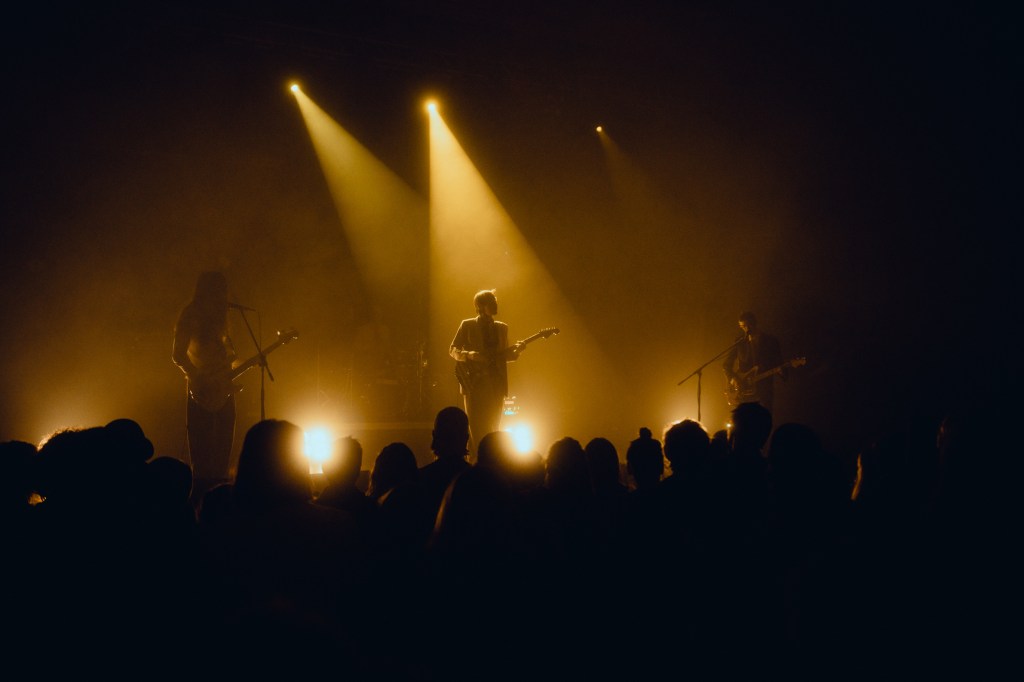
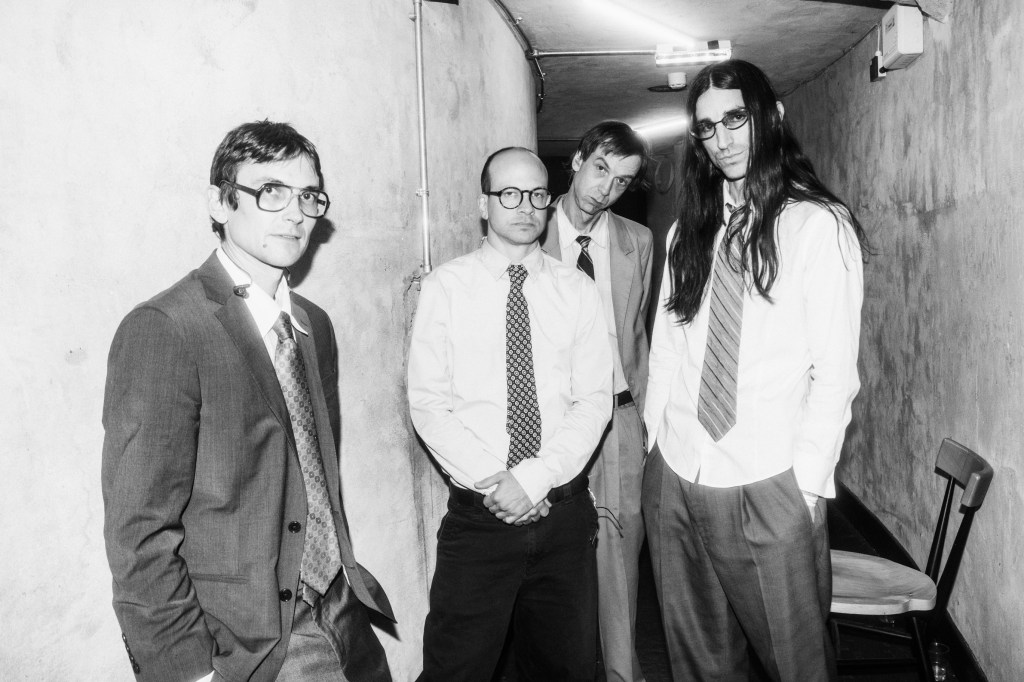
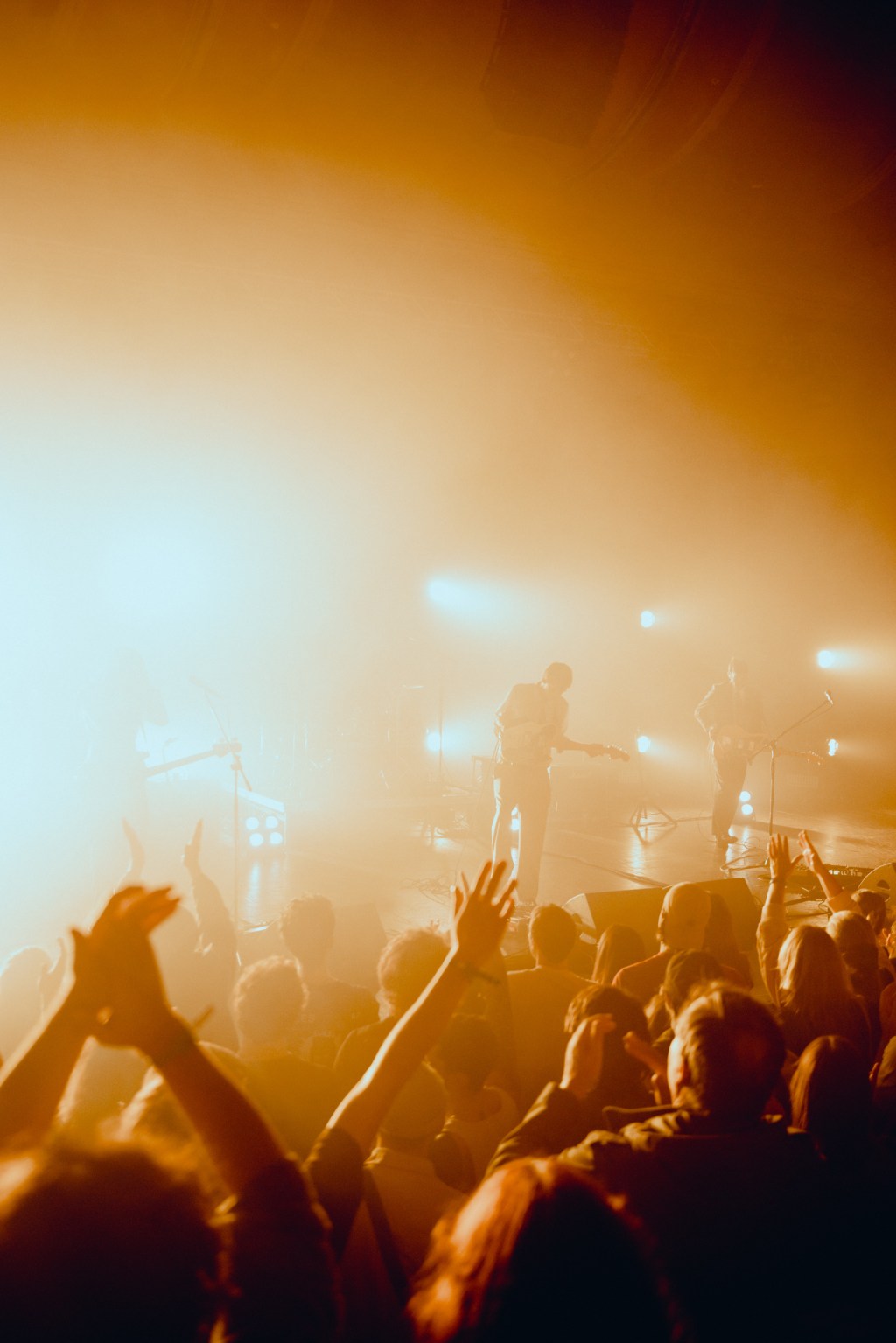
The evening, however, reached another level with DIIV. The New York band, led by frontman Zachary Cole Smith, delivered an exhilarating performance at EartH Theatre, combining edgy atmospheres and the melodic intensity of alternative rock. There were shades of Nirvana and the Pixies in their sound, but DIIV have developed a distinctive musical identity of their own, balancing beautifully layered distortions with an almost hypnotic drive.
Smith is also an interesting figure at the intersection of music and fashion. Before DIIV became an established name in the alternative scene, he modelled for Saint Laurent Paris under Hedi Slimane in 2013, a connection that reflects the longstanding relationship between independent music and fashion’s more adventurous creative circles. On stage, his presence was magnetic. The audience remained on its feet throughout! There was a palpable sense of collective enjoyment, with everyone seemingly caught up in the performance!
What made the Dalston Takeover particularly successful was the diversity of its musical programme. Moving between experimental electronics, grunge-inspired guitar music and New York shoegaze, the evening offered a snapshot of a music scene that remains restless, inventive and very much alive. More than simply presenting a succession of concerts, Pitchfork created an opportunity for audiences to experience music in the intimate settings where it often sounds best.
That, ultimately, is the festival’s greatest strength. Despite its international profile and the considerable reach of its parent media group, Pitchfork continues to champion the unexpected and give space to artists who might otherwise remain outside the mainstream. Saturday night in Dalston was a particularly convincing demonstration of that commitment.
Six venues, more than 20 artists and a neighbourhood transformed into a celebration of independent music: London could hardly have asked for a better festival. With the 2026 edition now drawing to a close, attention turns to what Pitchfork has in store for 2027 and worldwide.
–